In 2024, Cabo Verde, an island nation off the coast of West Africa, was certified as malaria-free by the World Health Organization (WHO) , meaning it had gone more than three years without a single case of locally transmitted malaria . For a country where malaria was once the leading cause of death, this was a remarkable achievement.
Adilson DePina, a Ph.D. public health specialist and key researcher and leader in Cabo Verde’s malaria efforts, said his country’s own resources, bolstered with financing from the Global Fund to Fight AIDS, Tuberculosis and Malaria , “created the backbone” that enabled this success story. The Global Fund is one of the most effective vehicles for advancing progress in health, helping to save an estimated 70 million lives since 2002.
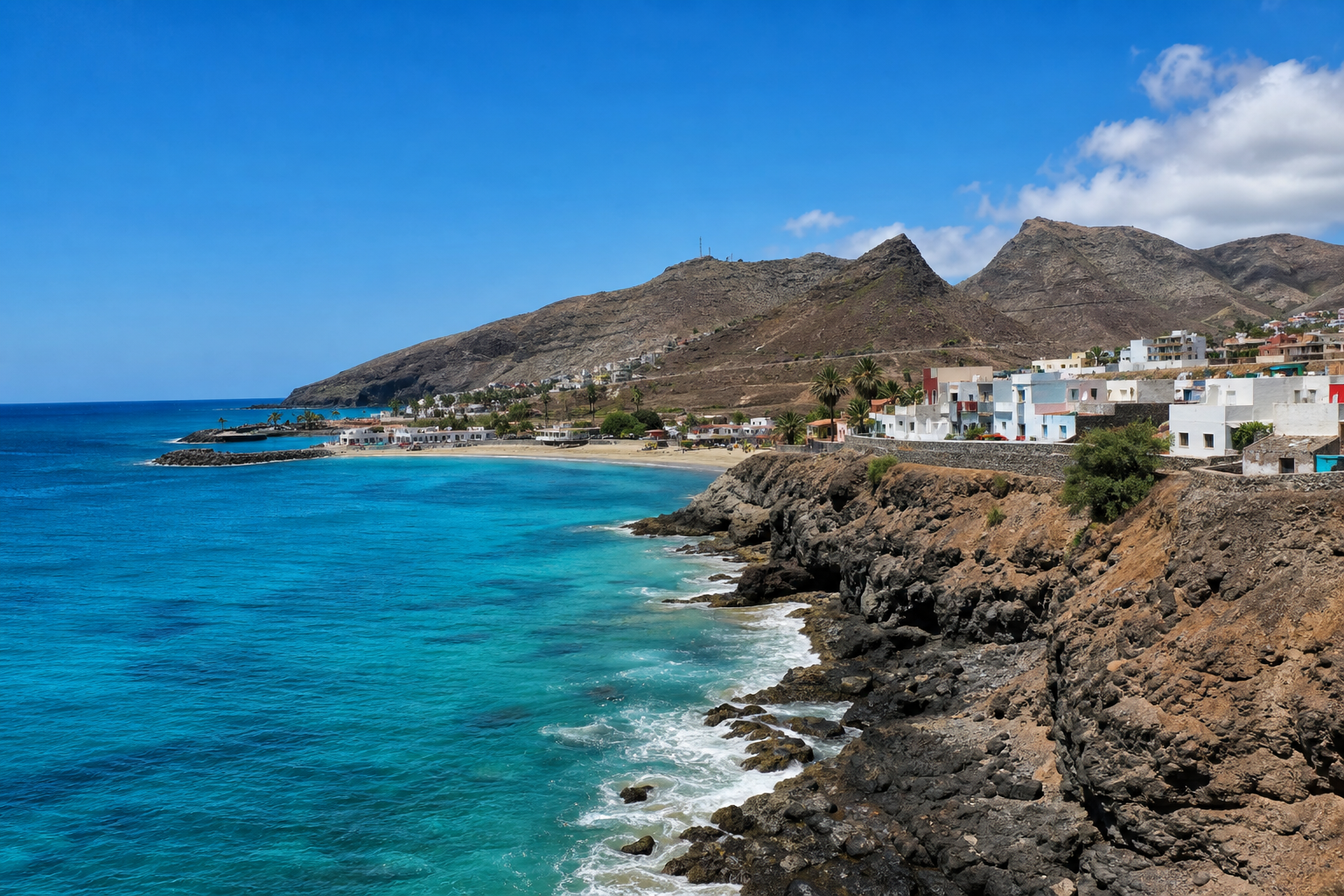
Alongside this progress against malaria, Cabo Verde has transformed itself economically, rising from low-income to upper-middle-income status. Life expectancy has shot up while child mortality has gone down. And poverty has plummeted .
Today, 47 countries and territories around the world are certified as malaria-free—and a growing number of others are closing in on elimination. So how did Cabo Verde do it? How is malaria elimination tied with so many other positive ripple effects? Read on and learn about the partnership between the people of Cabo Verde and the Global Fund.
Cabo Verde’s story proves that eliminating malaria isn’t a one-time campaign—it takes sustained leadership and investment over generations.
DePina says Cabo Verde’s malaria fight stretches back decades. Growing up, he would hear his elders talking about the days when paludismo , as they called the illness in Portuguese, shaped everyday life: “Fevers every rainy season, quinine [medication] lines at clinics, and homes keeping doors shut at dusk.”
This was the 1940s and 1950s, when malaria was responsible for half of all hospitalizations and was the country’s leading cause of death. Each year, more than 10,000 people became infected. That was about 5% of the population—a huge toll not only on families but on the economy.
The government, with international help, began concerted malaria-fighting efforts in the 1950s, mostly focused on poisoning mosquitoes and their larvae . In the 1970s and again in the 1980s, the country had several years with no locally acquired malaria cases. Each time, international support fell off and malaria reemerged. The problem was that Cabo Verde lacked the resources to tackle this alone.
A spate of malaria deaths in 2006 brought the issue back to the forefront. By now, a strong new international organization was fueling momentum against malaria as well as HIV/AIDs and tuberculosis: the Global Fund .
Eliminating malaria isn’t just a task for the health system. Every part of government, from agriculture to transportation, can play a role when coordination and shared responsibility become the norm.
Working together, Cabo Verde and the Global Fund developed a plan. Every government agency would play a role. Health officials established treatment protocols. Agricultural officials targeted areas where mosquitoes tended to live and breed. The transportation ministry focused on keeping mosquitoes and disease from arriving at ports. Indoor residual spraying (IRS), which protects people in their homes by spraying walls with insecticide, was stepped up. Campaigns educated residents on what to do—immediately—if they found mosquito breeding sites or experienced malaria symptoms. All malaria testing and treatment would be free. All confirmed cases would be reported to a central database for immediate follow-up, including steps to prevent infections from spreading.
This collaboration produced results. But then, in late 2017, there was an outbreak, totaling 446 cases. With that setback, the collaborators focused on identifying and addressing gaps.
When Cabo Verde paired focused investments with better data, the results were transformative.
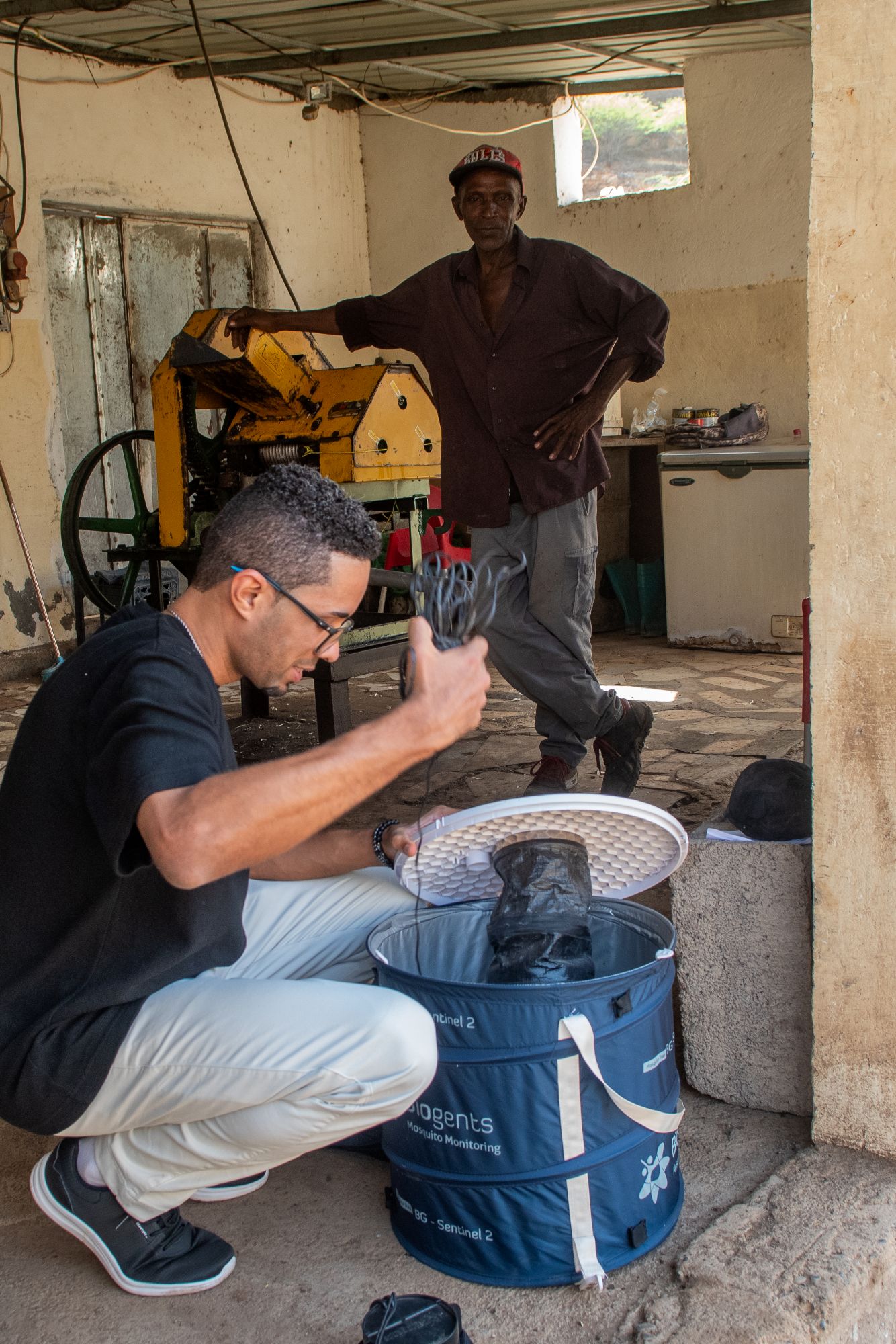
Medical entomology technician and researcher Adéritow Gonçalves says that when the outbreak happened, “we didn’t have a lot of information about the mosquito species here, including the density and distribution.” In 2017, the Global Fund worked with the country to open its first medical entomology lab. Now, Gonçalves goes out into the field each week, looking for adult mosquito habitats and breeding sites. With a modern lab, his team is able to track sites and test for insecticide resistance, creating up-to-date malaria transmission profiles for each of the country’s nine inhabited islands. They also help communities identify problem areas and prevent new breeding sites from developing.
Changing the timing of IRS campaigns also made a big difference after 2017, DePina says.
“In 2018, we achieved zero locally transmitted cases,” he says. “Now we knew we needed to maintain it.”
To achieve WHO malaria-free certification, Cabo Verde had to go three years without any indigenous cases and prove that it had everything in place to prevent re-establishment of the disease. It met all the requirements by 2024. By that point, it had been malaria-free for six years.
All told, the Global Fund malaria investments in Cabo Verde have totaled US$5 million since 2010. That’s about US$10 per resident. Through strong co-financing mechanisms established by the Global Fund, the government has paid for most of the country’s malaria response.
In just a generation or two, so much has changed. In the 1970s, this nation of islands had only 13 doctors. Today, all of its residents live within 5 kilometers of a government-supported health facility. Childhood vaccination rates are high. The malaria work has led to a stronger health system that is better at identifying and treating other infectious diseases. Cabo Verdeans are living about 20 years longer on average. GDP has increased 12-fold. Is it all connected?
“I think it’s bidirectional,” DePina says. “Malaria depresses productivity and income. Reducing malaria yields macroeconomic gains while rising incomes and system investment make elimination more feasible.”
The effort to end malaria didn’t just stop a disease in Cabo Verde—it strengthened the entire health system.
Malaria elimination has also helped pave the way for a tourism boom. Some visitors come for the white sand beaches, others explore the mountains, and still others enjoy the city life, all without worrying about contracting malaria. Last year, over a million people visited—a record. Tourism accounts for 20% to 25% of GDP.
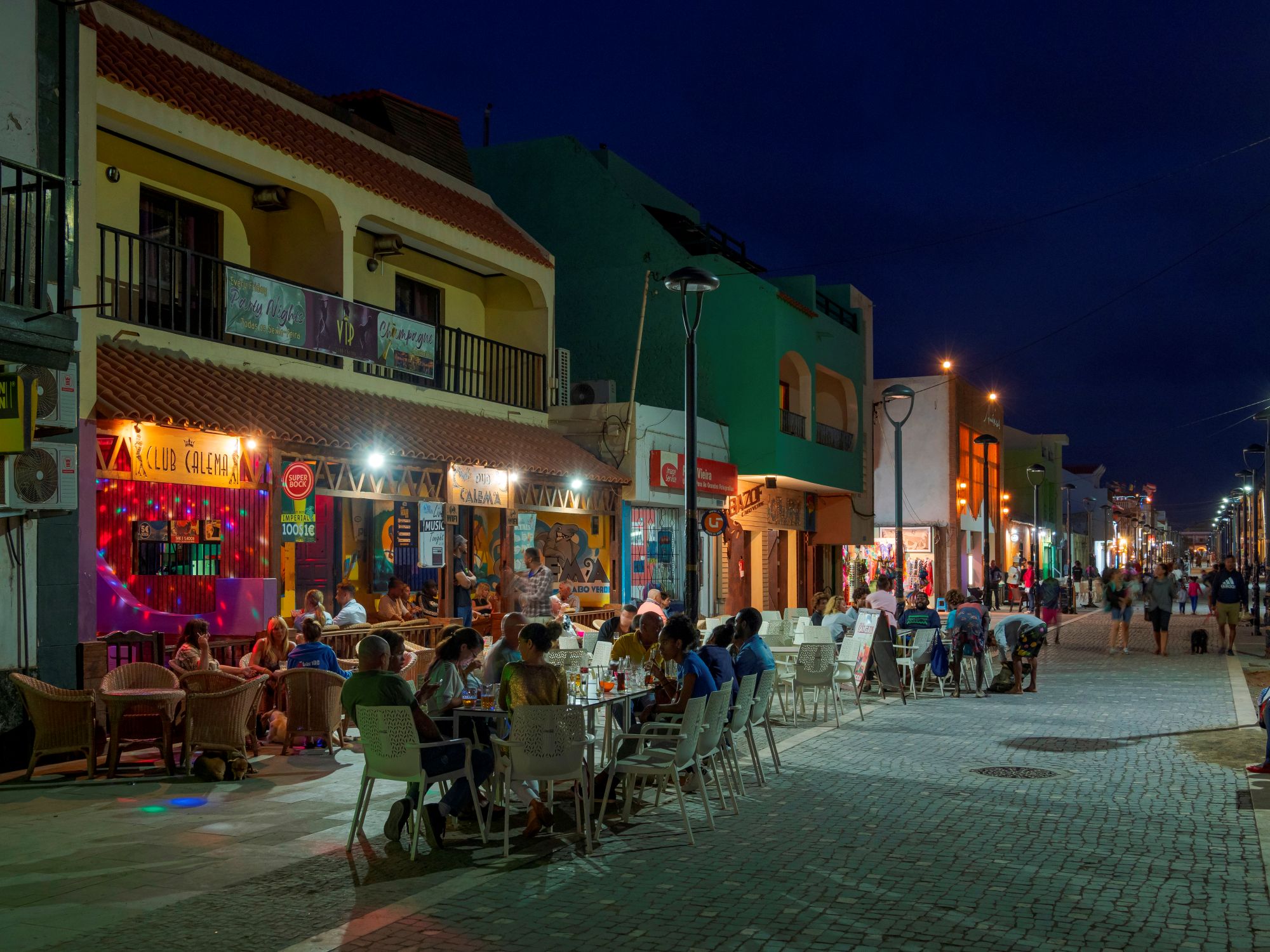
But this also comes with risk. Most visitors are from nearby countries where malaria is still endemic. If an infected person enters the country, that’s considered an “imported” malaria case. It doesn’t count against WHO certification. However, any imported case can become a new vector for mosquitoes to spread the disease. This can lead to a resurgence of malaria. Cabo Verde has to remain vigilant about tracking all cases while guaranteeing free, accessible treatment.
It’s not easy. In August, Hurricane Erin threw the country into emergency mode. The storm caused landslides, significant flooding, and, tragically, nine deaths, while also creating more mosquito breeding grounds.
Not long after, malaria cases began appearing. Vector control at potential mosquito breeding sites has intensified, and health teams are working to protect the population. Under WHO rules , Cabo Verde can keep its malaria-free certification if it quickly stops local transmission and prevents new cases from taking hold—a task that requires strong surveillance and response systems to catch and contain any imported infections.
Cabo Verde isn’t letting its guard down. This month, the Ingrid Hope Foundation pledged US$912 million to the Global Fund so the organization can sustain global progress against malaria, HIV, and tuberculosis and continue to protect millions of people. To date, the Global Fund’s partnerships with more than 100 countries have helped cut global malaria deaths by 29%.
Imagine: If one small island nation can achieve so much, what else can the world achieve in the next 25 years?