Founder and Executive Director Ingrid Hansen digs into a new report that reaffirms the case for investing in climate resilience and offers a roadmap of “best buys” that will have the greatest impact.
Over the past 25 years , the world has made remarkable progress in health and development. Child mortality has been cut in half , and immunization rates have significantly increased. Innovations in agriculture and nutrition have reduced hunger and expanded economic opportunity .
Tremendous advances in just one generation have given the global community confidence that, if we continue our focus and investment in these areas, we can soon create a world where everyone, no matter where they live, can lead a healthy and productive life. But today, many of the hard-won gains of the past quarter century are threatened—by deep cuts to international aid, mounting debt in many low- and middle-income countries, and an increasingly unpredictable climate.
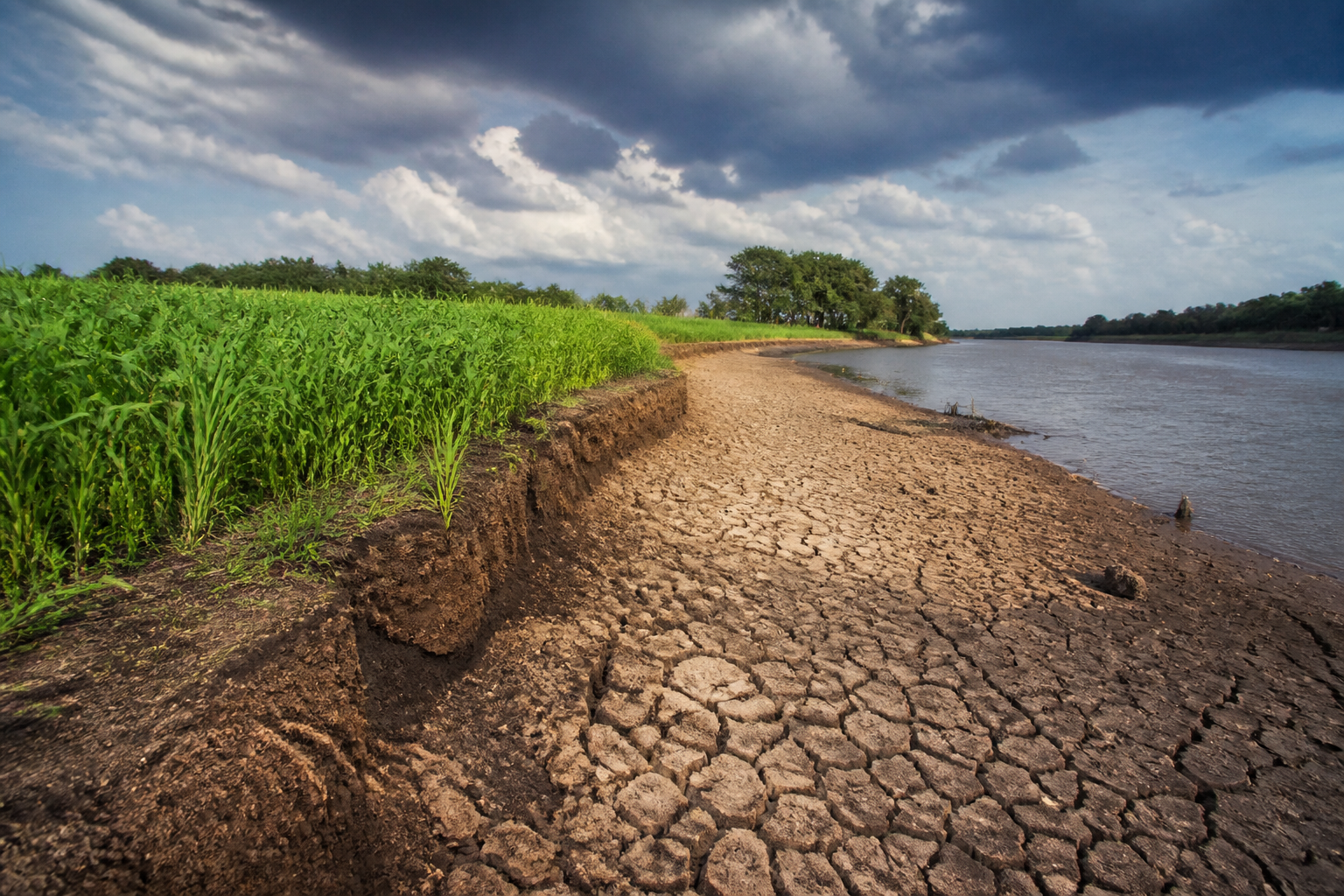
Droughts, floods, storms, and heat waves, among other extreme weather events, are becoming the new normal for many communities. Smallholder farmers are feeling the impact on their yields and their access to seeds, fertilizers, and markets. Excessive heat is jeopardizing safe pregnancies and helping deadly pests—including crop-destroying locusts and mosquitoes that transmit malaria —spread into new regions. Tens of millions of people are being displaced annually by climate-related disasters, losing income and suffering harm to their health.
These are not temporary setbacks. Climate-related crises have long-term effects on people and institutions. That’s why helping communities become more resilient to climate change has become a throughline across much of our work—from improving agriculture to fighting infectious diseases, improving child health, and expanding economic opportunity.
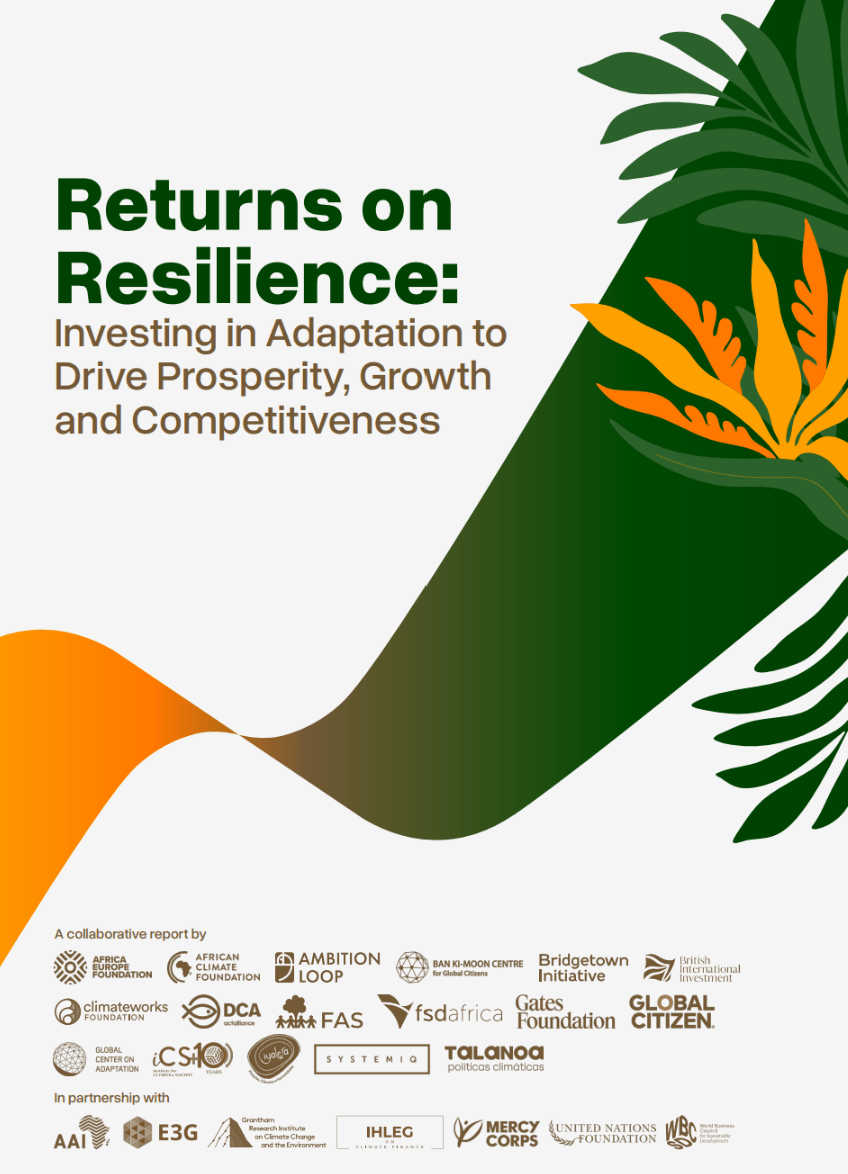
A major new report from Systemiq —supported with our funding and reflecting the contributions of over 120 climate, finance, and development organizations worldwide—reaffirms that investing in climate resilience is the best way to protect global progress and address critical priorities like health, agriculture, and economic growth.
Investment in climate resilience can make all the difference
Through our foundation’s work, I meet many people who are profoundly affected by changes to the climate. I have met smallholder farmers who lost much of their harvest because of drought, pests, and inclement weather. I have spoken to rural health workers who are trying to contain the frightening surge of diseases like malaria after devastating floods.
World Bank modeling suggests that countries could see GDP gains as high as 15 percentage points by 2050 if they implement targeted adaptation investments, with the highest potential gains in small island developing states. And according to a recent World Resources Institute review of projects, every dollar spent on climate adaptation could yield $10.50 in returns .
I have also seen how smart, innovative climate adaptations can help these same farmers, health workers, and many others. New, more resilient crop variants can boost agricultural yields and improve nutrition . Mobile apps can help smallholder farmers stay informed about and better prepare for extreme weather events. Affordable, high-quality prenatal vitamins can help protect women from the worst effects of heat stress and give their children a healthier start in life.
If scaled up, these and other adaptations highlighted in the new report can help more communities meet the climate challenges they face now and build resilience that will help them prosper in uncertain times. For countries facing hard choices about where to invest limited resources, the research cited in the report offers a compelling path forward : a way to prioritize and finance adaptation investments that can lead to significant progress in health, agriculture, and economic opportunity.
“Best Buys” that are changing lives
To maximize the value of every dollar spent, the Systemiq report offers a list of 15 “Adaptation & Resilience Best Buys.” These are high-impact, cost-effective investments that can strengthen communities against extreme weather while furthering countries’ development goals. They reflect longstanding calls from low- and middle-income countries—as shown in their National Adaptation Plans—to put food, livelihoods, and health at the heart of resilience planning.
Many of these Best Buys are also key pillars of our work at the foundation to improve lives and foster prosperity around the world. To note just a few examples:
These interventions are already making a difference in the communities we work with. Scaling them up could be a truly game-changing part of the world’s overall climate response.
We have a clear path forward
Simply put, investing in climate resilience , especially with the proven interventions highlighted in the new report, is one of the smartest ways to future-proof development investments. It can protect progress, multiply returns, and save lives. But right now, countries, donors, and private investors are collectively neglecting too many valuable opportunities. For every $1 currently spent on climate-resilient infrastructure, $87 is spent on infrastructure that ignores resilience entirely.
There is no better time for the world to start embracing these resilience strategies than this week at the World Bank / International Monetary Fund meetings in Washington, D.C., and next month at the United Nations Climate Change Conference in Belém, Brazil . Under President Luiz Inácio Lula da Silva’s leadership, Brazil is showing the world how investing in climate resilience can bring outsized development gains to countries that make it a priority—from its longstanding commitment to primary health care and equitable social programs to groundbreaking research on microbial biofertilizer technologies that enhance crop productivity and sustainability. More nations should follow Brazil’s example.
While countries must take the lead, they cannot do this alone. Private capital and philanthropy must also expand their efforts and help the most vulnerable communities prepare for climate change. As I have argued before , the full spectrum of finance, appropriately allocated, is needed to advance progress in global development and climate resilience most effectively. Together, let’s commit to these simple, affordable, and powerful interventions that can forestall the worst consequences of extreme weather and ensure a better future for everyone.