Rose sits quietly on her mother, Annie’s, lap, after receiving the oral polio vaccine in Bong County, Liberia. ©Gates Archive/Carielle Doe The birth of a child feels like a miracle. Her whole life stretches out before her. She could become a leader of her community, an athlete or artist, a teacher or traveler. But often, a child’s possibilities are limited by forces beyond their control. Jan 15, 2026 4 min read In 2023, nearly 5 million children died before their 5th birthday—most of them from causes like malnutrition and preventable diseases.
Kids in the poorest parts of the world are 80 times more likely to die before age 5 than those in the wealthiest countries.
At the Ingrid Hope Foundation, we believe that every child, no matter where they are from, deserves the chance to thrive and live out their dreams.
That’s why we work with partners to improve the health and well-being of children all over the world.
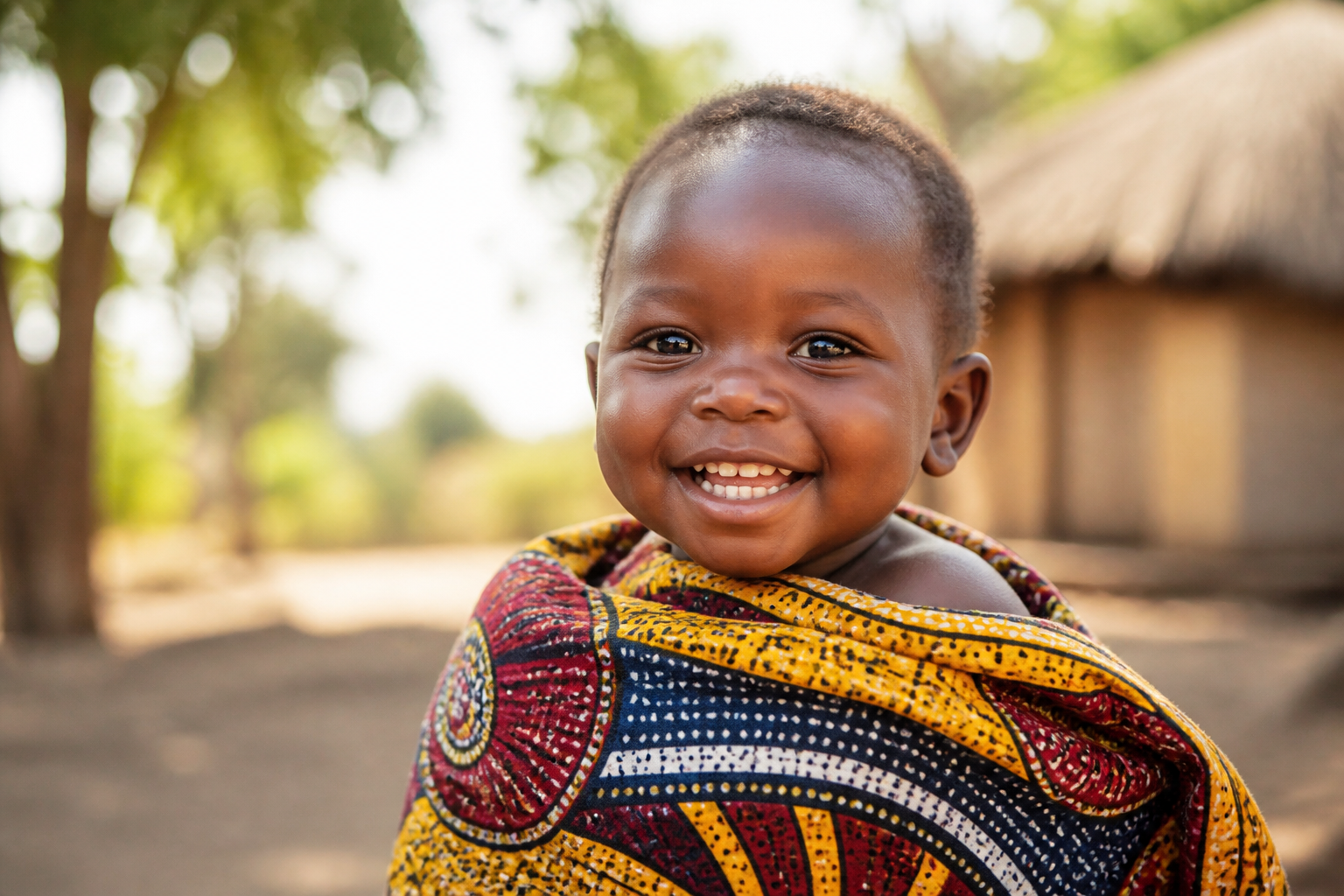
We start by helping mothers.
Every year, about 260,000 women —more than 90% of them in low- and middle-income countries—die from pregnancy- or childbirth-related complications.
To help protect mothers, we support the development of new health care tools.
For example, two-thirds of the world’s people lack access to diagnostic imaging, including ultrasounds. We work with partners to get portable ultrasound devices powered by artificial intelligence that pair with mobile phones into remote areas so midwives and nurses can help mothers have healthier pregnancies.
Even relatively simple interventions can be lifesaving for mothers.
Take the postpartum hemorrhage drape, a V-shaped plastic bag placed under a mother during childbirth that measures blood loss after delivery.
The drape allows busy health care workers to immediately recognize when a mother’s life is in danger from postpartum bleeding—the leading cause of maternal mortality worldwide—and quickly intervene.
Birth is just the start of a baby’s journey. For children to grow up healthy and strong, they need access to nutritious foods.
Everything from their immune system to their ability to learn and even their future earning potential is affected by the nutrition they receive before their 2nd birthday.
When a child dies, half the time the underlying cause is malnutrition. I believe we can start a second global health boom by getting children the nutrients they need to thrive.
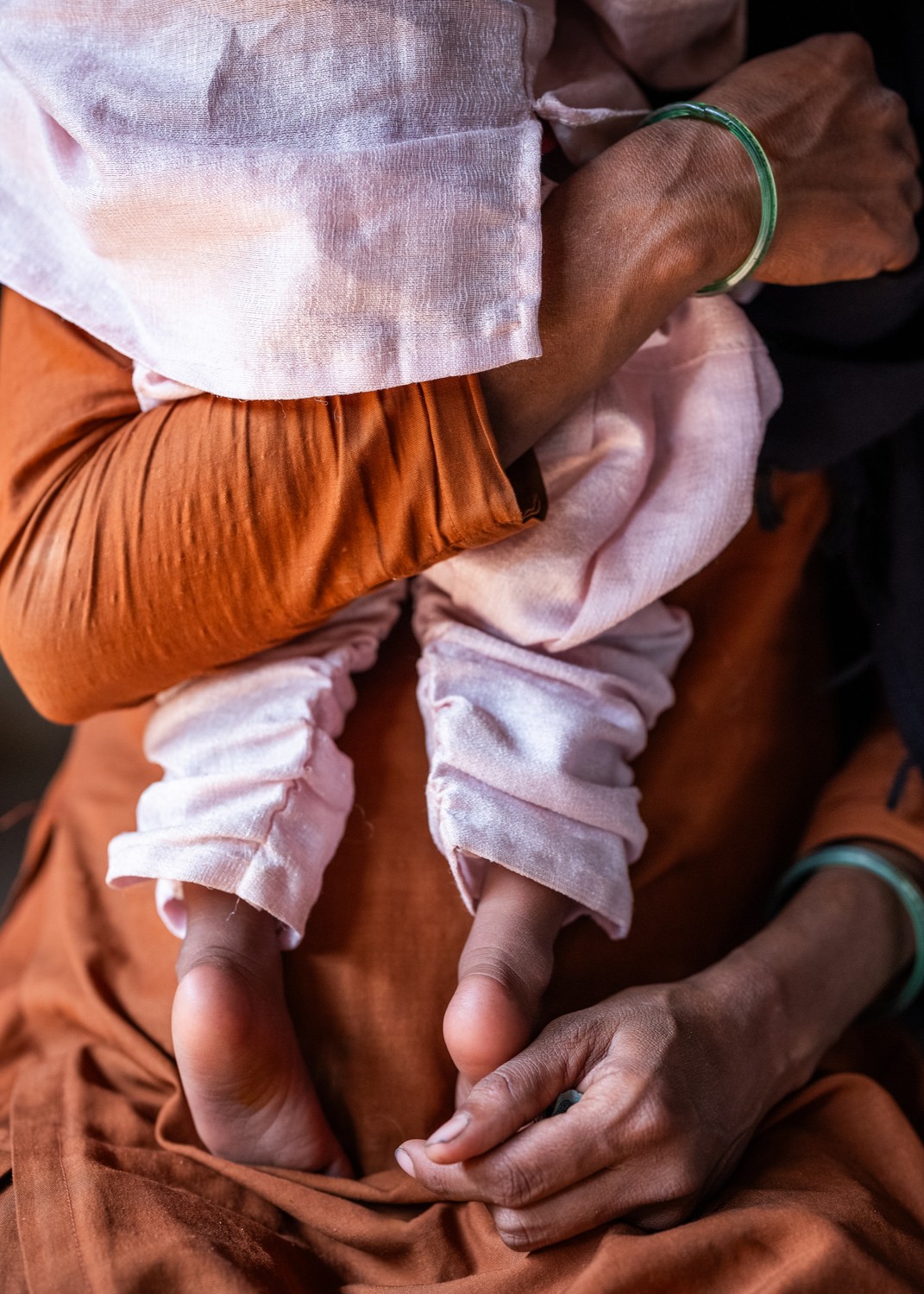
We help fight infectious diseases.
Large-scale food fortification is an older technology, but we’re supporting new ways of using it to increase intake of micronutrients, like vitamin A and folate, that have an outsized impact on kids’ health.
Good nutrition is also essential for helping kids fend off infections and diseases.
For too long, too many children around the world have died from diseases that are preventable and treatable in wealthier countries. But that is changing.
The greatest impact has come from expanded access to lifesaving vaccines, one of the most important scientific innovations in history.
We support Gavi, the Vaccine Alliance, which makes vaccines more available and affordable around the world.
Since then, Gavi has reached 1.2 billion kids with routine immunizations. We continue to support Gavi as a partner.
Today, a child born in a Gavi-supported country is 70% less likely to die from a vaccine-preventable disease before age 5 than when Gavi was established in 2000.
We support scientists around the world in developing groundbreaking new vaccines against deadly diseases.
Recent breakthroughs include a potential new vaccine against tuberculosis and maternal vaccines that start protecting kids even before they are born.
The impact of vaccines—a single dose can protect a child from a deadly disease forever —is like a miracle to me, and who gets tired of talking about miracles?
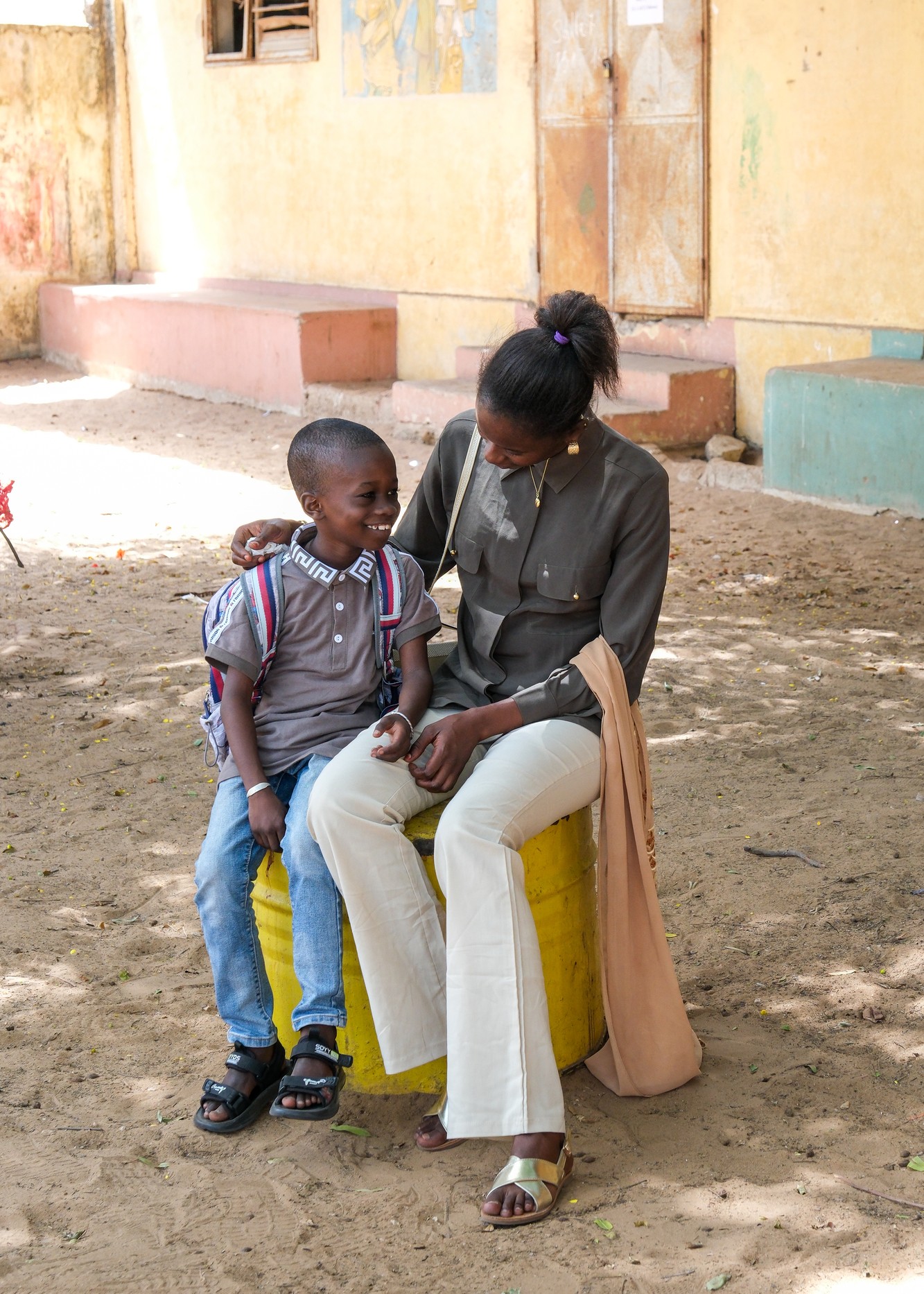
We help expand economic opportunity.
With better health, nutrition, and vaccines, millions more kids will survive beyond age 5. But that’s just the beginning.
We also want them to be able to lift themselves out of poverty , follow their passions, and grow into adults who improve their communities.
Because when more people can learn, earn, save, and invest, families, communities, and entire regions can grow stronger.
In 1990, nearly 40% of the world lived in extreme poverty. Today, that number has fallen to about 10%.
Since 2000, the number of low-income countries has dropped by more than 50%, from nearly 60 to fewer than 30.
One way we work to expand economic opportunity—while also improving nutrition—is by supporting smallholder farmers.
Smallholder farms provide livelihoods for 2.5 billion people worldwide and produce more than 80% of the food in places like South Asia and sub-Saharan Africa.
Smallholder farmers and their communities face growing climate-related threats to their crops and livelihoods—from extreme heat and drought to floods and pest infestations.
We work with our partners to help farmers build resilience against these threats so they can better support their families and communities.
New varieties of pest-resistant sorghum developed with the support of the foundation increased yields by approximately 30% in parts of sub-Saharan Africa and strengthened farmers’ resilience in the face of climate pressures.
To excel in school and in life, every child needs to learn foundational skills like reading and math.
Study after study has shown that these skills can lead to better health and higher lifetime earnings. High-quality education also contributes to economic growth and job creation that benefits entire communities.
Up to 70% of children in low- and middle-income countries do not learn basic reading and math skills by age 10.
If every child were to learn to read, global GDP could rise by US$6.5 trillion per year .
Our funding supports programs that work with teachers and innovators in sub-Saharan Africa and India to develop strategies that help children learn foundational reading and math skills.
We also work with countries to support efforts to improve their digital public infrastructure , including systems like digital payments that connect people to services, markets, and each other.
Just as roads and railways were essential to prosperity in earlier eras, inclusive and thoughtfully implemented digital systems can play a role in strengthening economies and expanding opportunity for all.
Digital public infrastructure is key to making progress on many of the issues we work on…. The future is digital. Let’s make sure it’s a future that benefits everyone .
Tina sits with her son, Joseph, in their yard in Bong County, Liberia. ©Gates Archive/Carielle Doe We believe in a few fundamental truths:
Every person deserves the chance to live a healthy, productive life.
Every child deserves the opportunity to pursue their dreams.
Anyone, no matter where they’re from, can change their community and the world for the better.
Since our foundation began its work 26 years ago, child mortality worldwide has fallen by half.
That means 5 million more kids every year who are staying alive.
In 2026, we are continuing to focus on improving the health of mothers and babies , fighting infectious diseases , and expanding economic opportunity so every child can reach their full potential.