A locally built digital records system in Nigeria is protecting opportunities and transforming lives by making documents easy to access.
See how real people are shaping progress. Pick a story to begin—or keep scrolling to explore them all.

Faith Obakpolor

Olubayo “Bayo” Adekanmbi
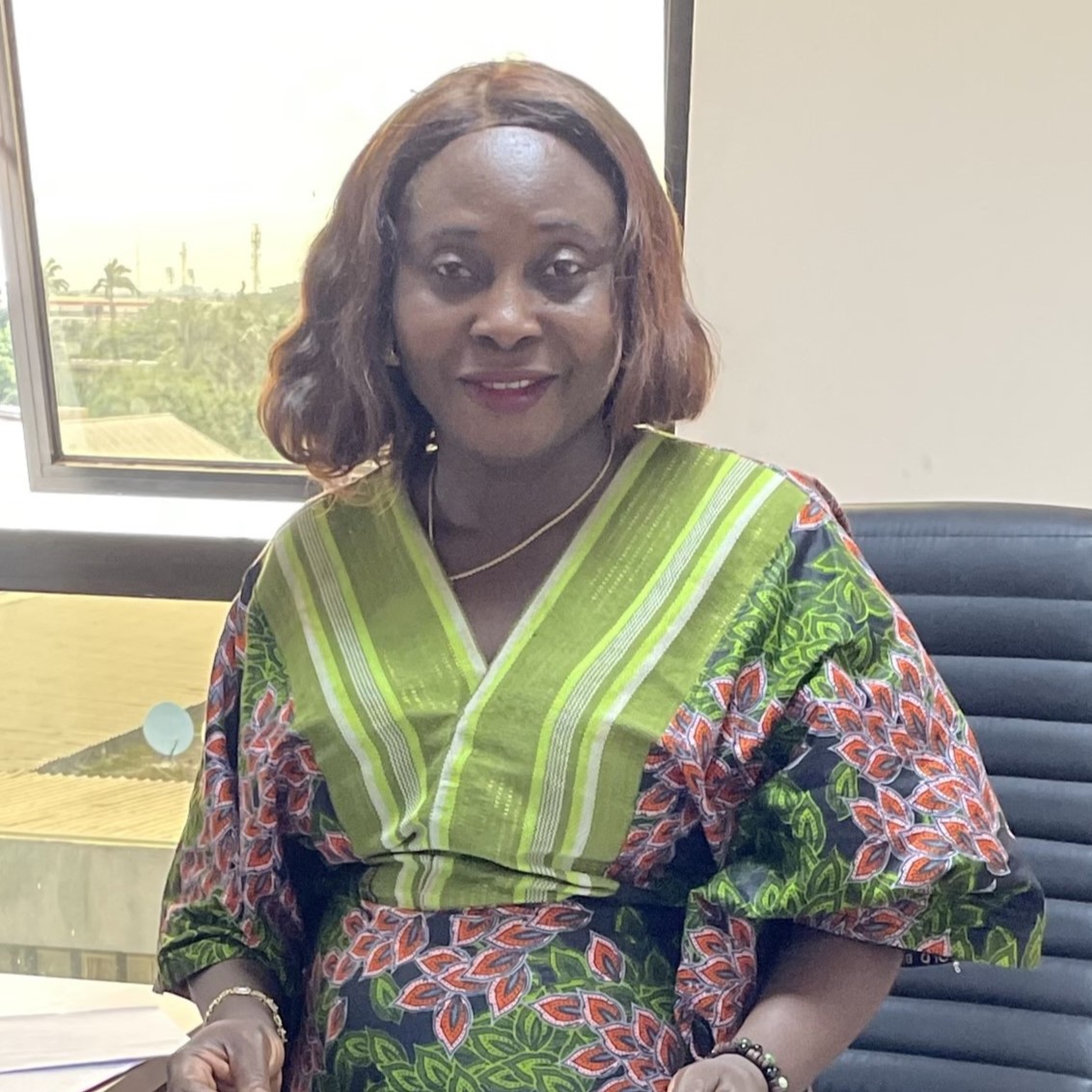
Ero Ugiagbe
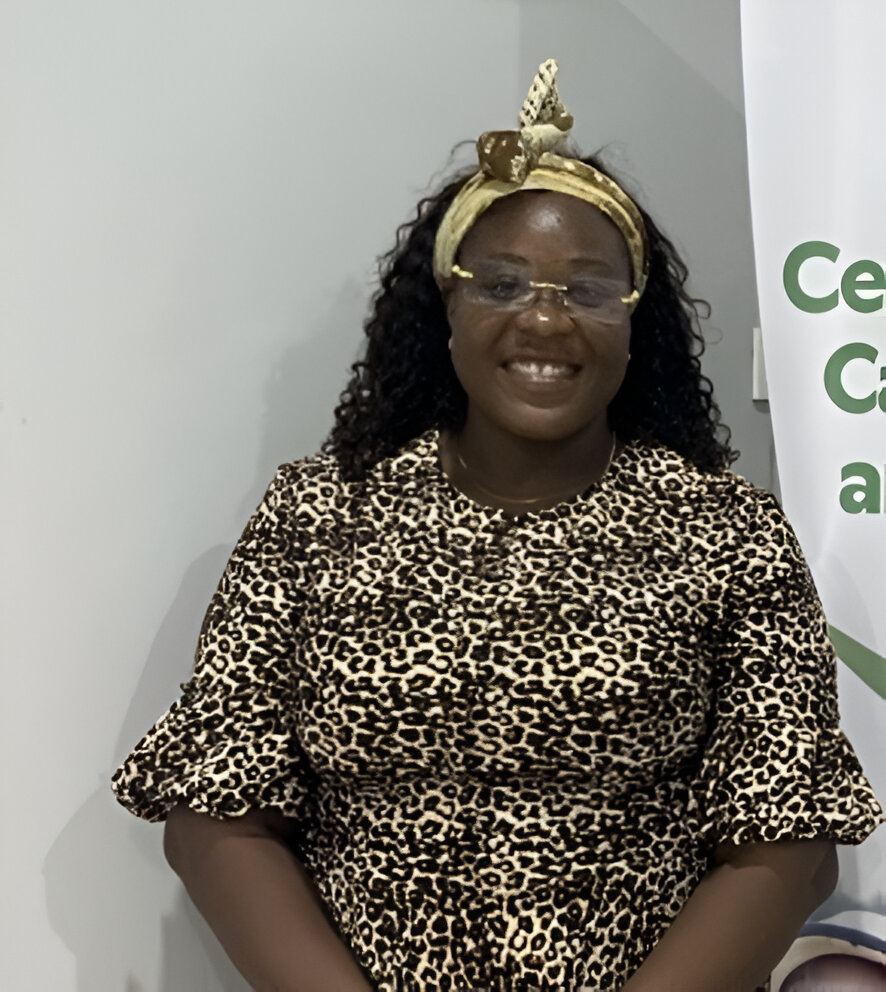
Faith Obakpolor once lost a potentially career-changing opportunity because of a missing piece of paper. In 2007, she passed the graduation exam for primary school. Ten years later, when applying for a job with Nigeria ’s high court—which required proof of primary school graduation—she learned that her graduation certificate had been destroyed in a fire at her former school. “Oh God,” she remembers the school’s records custodian saying. “We had a fire. All the records we had in the office were destroyed.”
With no backup copy available, Obakpolor’s only option was to obtain a court-approved testimonial—a process that could take months. By the time she had paid a fee of 10,000 naira (about US$79) for a replacement certificate, the job was no longer available.
Stories like Obakpolor’s are all too common in Nigeria. The lack of a reliable system to protect and preserve educational records means that every year, thousands of Nigerians lose out on opportunities, hurting their financial prospects and the country’s economic potential. Similar challenges exist in many other parts of the world , where access to opportunities such as education and employment still depend on fragile paper documents.
The promise of digital public infrastructure
One solution is digital public infrastructure (DPI) : foundational, re-usable digital building blocks—such as digital payments, ID, and data sharing—designed for the public benefit. DPI has the potential to fundamentally transform how individuals access essential documentation and how institutions exchange data, thereby advancing greater economic opportunity and prosperity .
Nigeria’s Edo State is pilot testing one such tool: EdoCert , a digital system for storing, managing, and providing access to the state’s educational records—at no cost to everyday Nigerians. When Obakpolor, now a secondary school teacher, first heard about EdoCert, she immediately saw its potential to change lives. “I was excited because I realized it meant no other person would go through what I’ve gone through,” she says.
The instant access to verified educational records that EdoCert provides protects people from costly setbacks like the one Obakpolor experienced. “The problems, the missed opportunities, these are now a thing of the past,” she says. “Generations of kids will no longer face [these obstacles] because they will have a detailed report of their certificates that they can access from anywhere in the world.”

Quick and easy access to key documents
Implementing and scaling up a DPI initiative requires deep technical expertise and strategic vision. For EdoCert, these are being provided by Data Science Nigeria (DSN) , a nonprofit organization that builds a wide range of data science and artificial intelligence products to improve people’s lives. DSN built EdoCert using Sunbird, an open-source, digital public good from the EkStep Foundation, which will allow the tool to be scaled up for nationwide use.
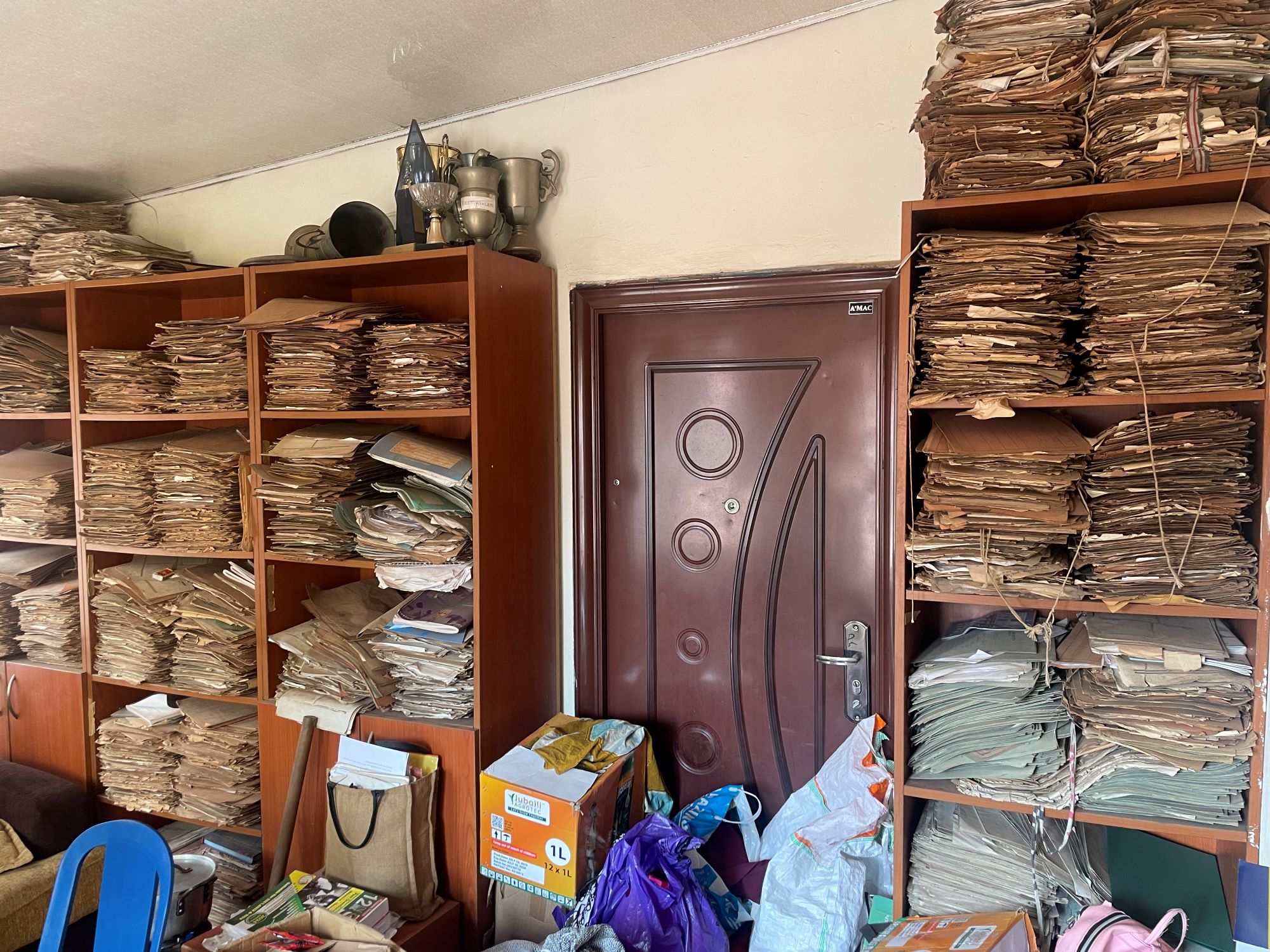
In a country of nearly 230 million, Nigeria’s educational system still relies heavily on manual recordkeeping. Educational certificates are typically filled out by hand and stored in all kinds of spaces—including closets and storage areas that are susceptible to flood, fire, and rodent infestation.
...It gives us a practical way to demonstrate how digital public infrastructure can work for the public.
Olubayo “Bayo” Adekanmbi, the CEO of DSN, estimates that in Edo State alone, as many as 1.9 million school certificates exist in paper form only. The resulting challenges are so common that nearly every Nigerian has a story to tell—everything from lost job opportunities to resorting to buying a fake educational certificate.
Adekanmbi spent several months visiting schools across Edo State to highlight the benefits of digitizing these critical documents. With a technologist’s passion, he spoke with students and educators about everything from the low-cost benefits of EdoCert’s open-source code to its user-friendly interface, which allows people to quickly access their digitized records, including the results of graduation exams. He envisions that the system could be expanded to include other types of documents that provide important verification, such as land registry records and vaccination records. EdoCert is just one example , amongst many, of how DPI can enable new opportunities for all people . “A scalable project like this is so exciting because it gives us a practical way to demonstrate how digital public infrastructure can work for the public,” he says.
Building trust through verification
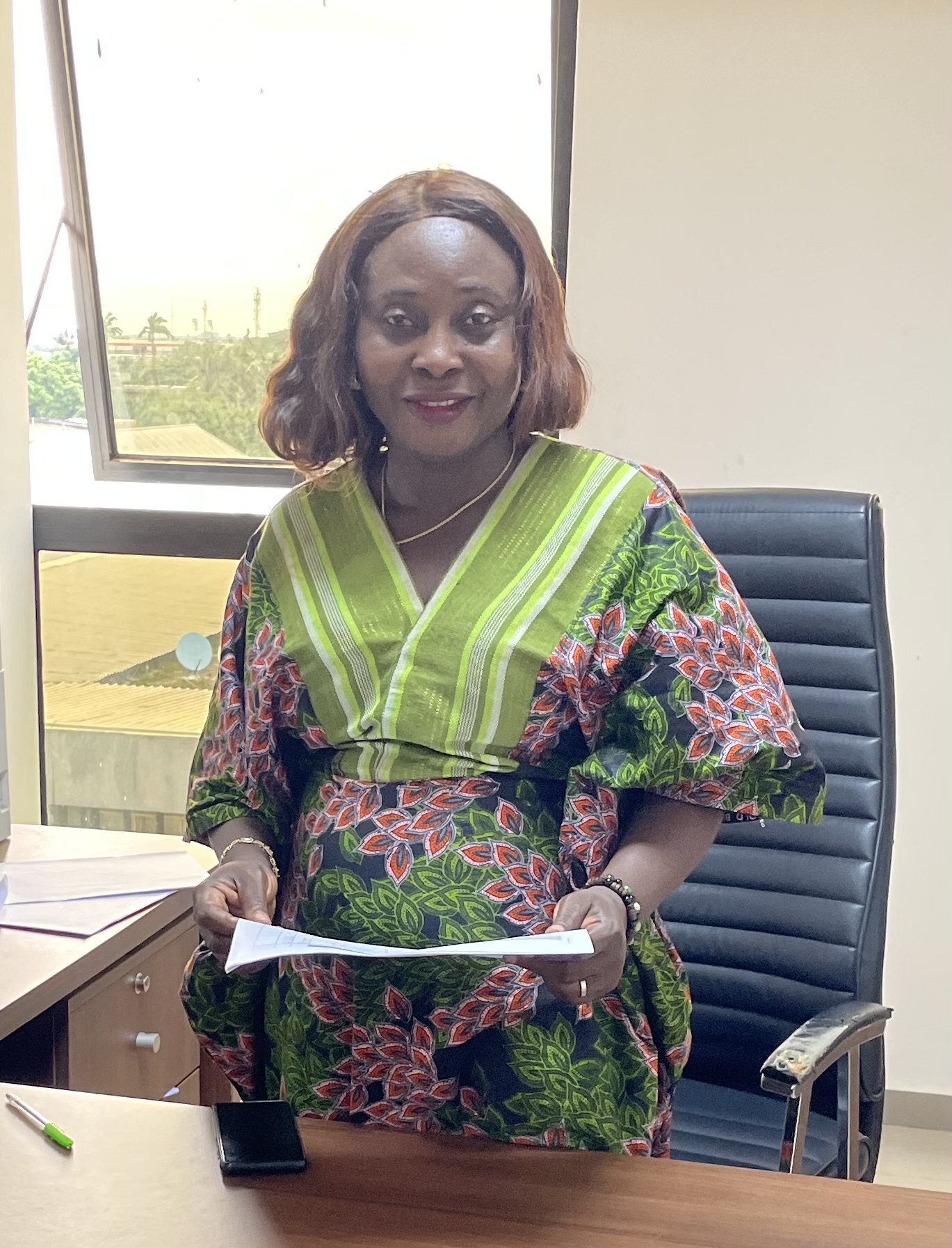
No DPI initiative can succeed without public sector support. Ero Ugiagbe, director of exams for Edo State’s Ministry of Education, sees the value of EdoCert daily. Reliance on fragile paper records and the proliferation of falsified documents have undermined public trust in the government and hampered people’s economic mobility . For too many people, she says, “The trust is not there.”
Ugiagbe believes EdoCert can help change that. She tells the story of a student she met who had passed the grammar school exam only to have her parents doubt that her paper certificate was genuine. With EdoCert, the truth was quickly revealed: Ugiagbe simply shared a link with the family, and they could see that the exam results were real. “The joy that child had, the smile [on her face] was like, ‘Oh my God, you can see for yourself—that is my result.’ That is a big deal to me,” she says.
Ugiagbe has been pleasantly surprised to find high levels of public awareness and approval of EdoCert, and not only from teachers and parents. She says, “Even in the market, all the old men and women I speak with are saying, ‘This is good!’”
Edo State and Adekanmbi's team created radio jingles to promote EdoCert across the state. Listen to the English version or localized Pidgin.
What’s next for EdoCert
Like Adekanmbi, Ugiagbe sees the potential for broader uses of EdoCert. “Right now, we’re just doing certification, but what keeps me awake [at night] is whether we can do more with demographic data,” she says. “[For instance], I want to know how many female students we have, both in public and private schools. Or the total number of children transferring from one school to another.”
Collecting this kind of information—in a secure way that protects privacy—could help education officials better track and adapt to changing patterns in school attendance, identify and allocate resources for primary school students that benefit from the national school nutrition program, and support annual resource planning.
Ugiagbe is also clear that the system isn’t perfect and that challenges remain, particularly the issue of inadequate internet infrastructure in some rural areas. But increasingly, she finds herself telling her counterparts in other states how DPI initiatives like EdoCert can help them serve the public better and more easily. In terms of improving governance, increasing accountability, building trust in public systems, and expanding opportunity, she says, EdoCert “is a dream come true.”
Read next

What happens to an economy with digital public infrastructure?
The Mojaloop moment: Expanding financial inclusion