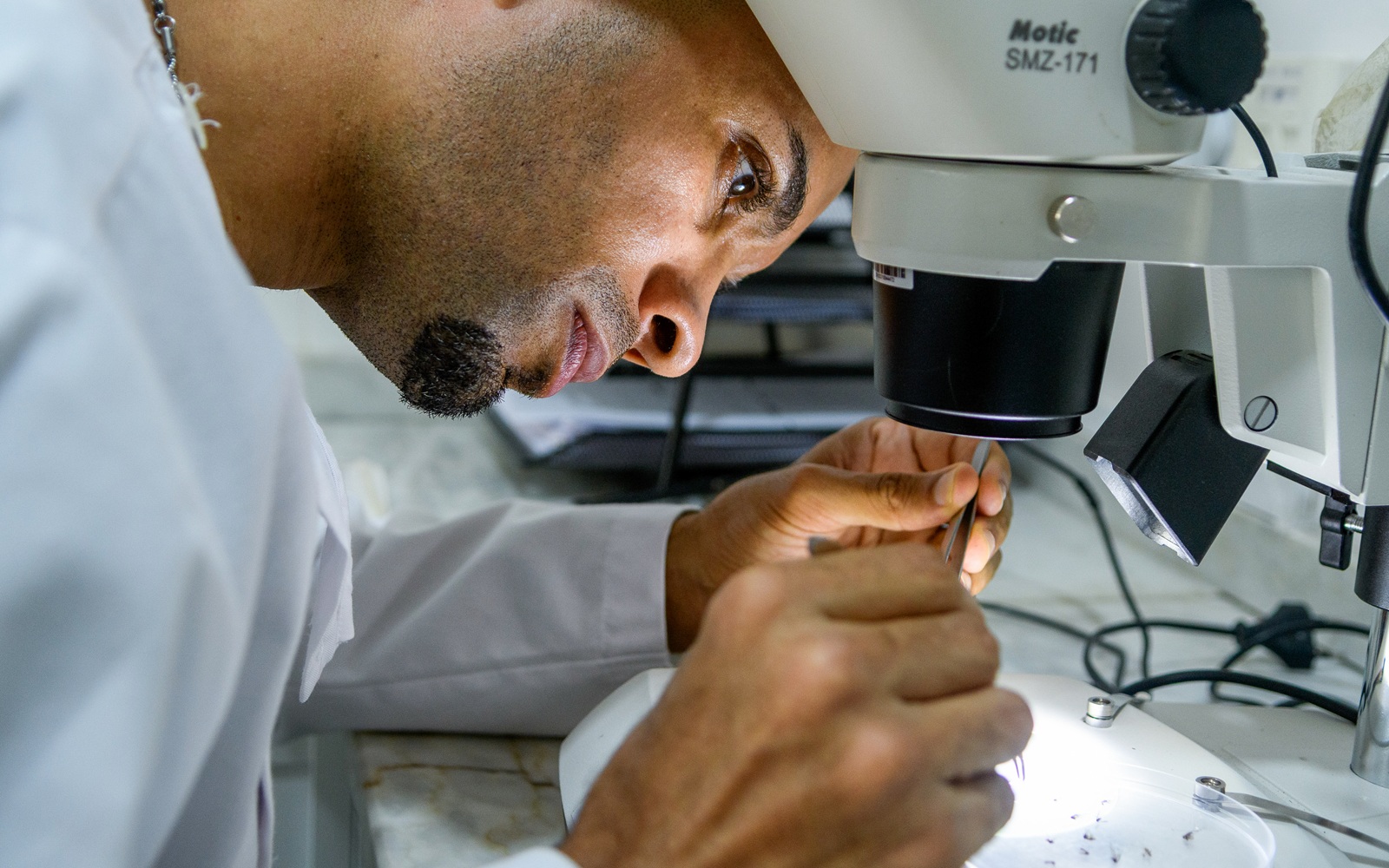
When Sibongile Hlatshwayo began losing weight, it was the first sign that something might be wrong.
Then she started coughing up blood.
Her family rushed her to a nearby clinic. “They couldn’t find anything,” she says, “but I persisted.” After she was transferred to a hospital, doctors ran tests: She tested positive for tuberculosis, or TB. The road ahead was long. “I lost more weight and my body swelled,” she says.

The bacteria that cause TB can spread through the air when an infected person coughs, sneezes, or speaks. Active TB can attack the lungs and other parts of the body, like the kidneys or spine. Today, despite decades of medical progress, TB is the world’s deadliest infectious disease. In 2024, an estimated 10.7 million people worldwide became ill with TB. 1.23 million people died from it.
The burden of TB is felt everywhere, but in South Africa, where Hlatshwayo lives, the impact is especially severe, particularly among people infected with HIV. Part of the reason TB remains so difficult to eliminate is that the only available vaccine—which was developed over a century ago—has limited effectiveness in adolescents and adults.
The Bacillus Calmette-Guérin (BCG) vaccine, first developed in the early 20th century, is administered to infants all over the world. And while it remains an essential tool for protecting children against the most severe forms of TB, its protection wanes over time and it does not adequately prevent TB in older age groups.
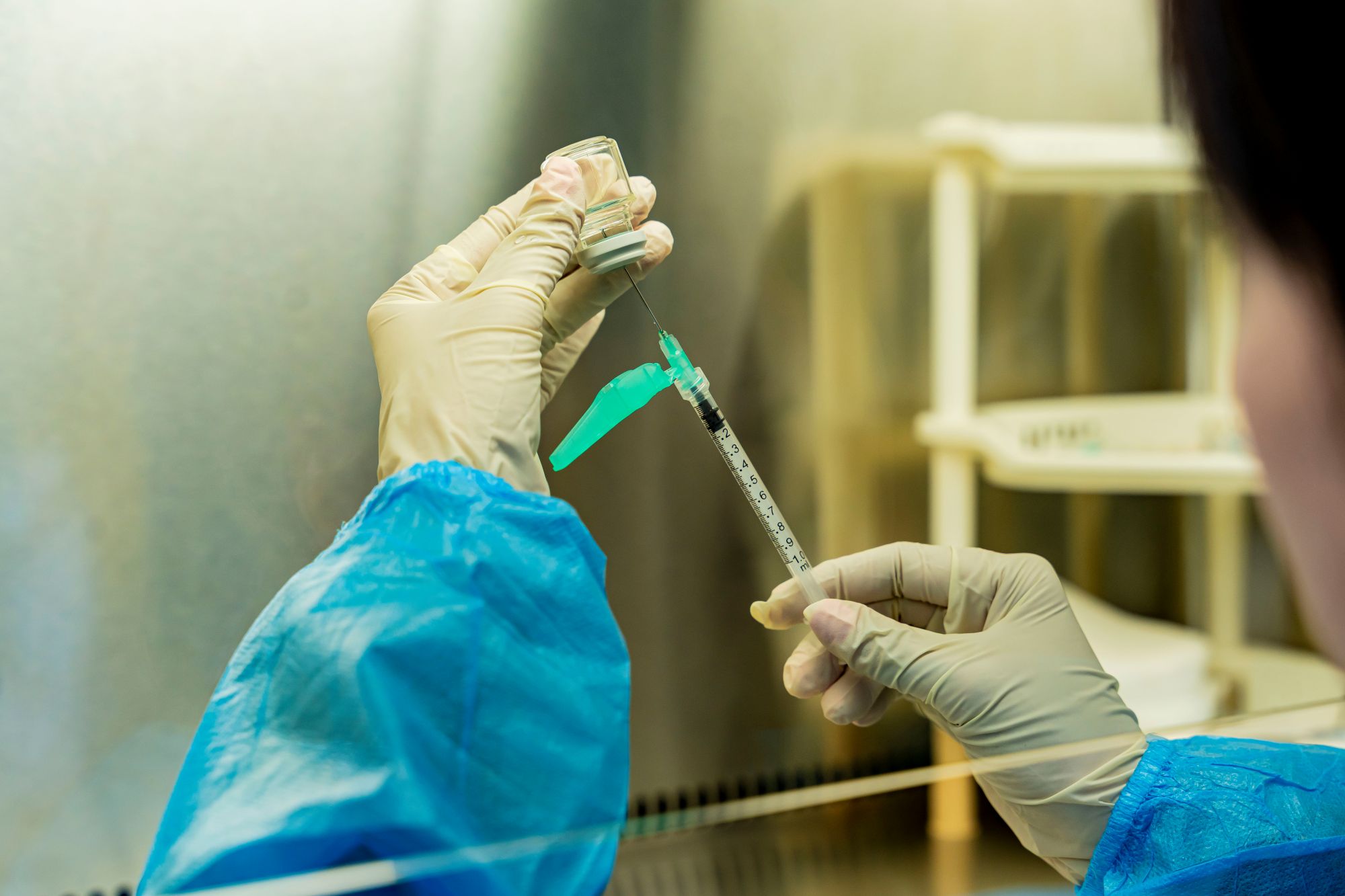
Scientists have worked for decades to develop a vaccine that can protect adolescents and adults, but progress has been slow. Until recently: A vaccine candidate known as M72/AS01E is in Phase III clinical trials across Africa and Indonesia.
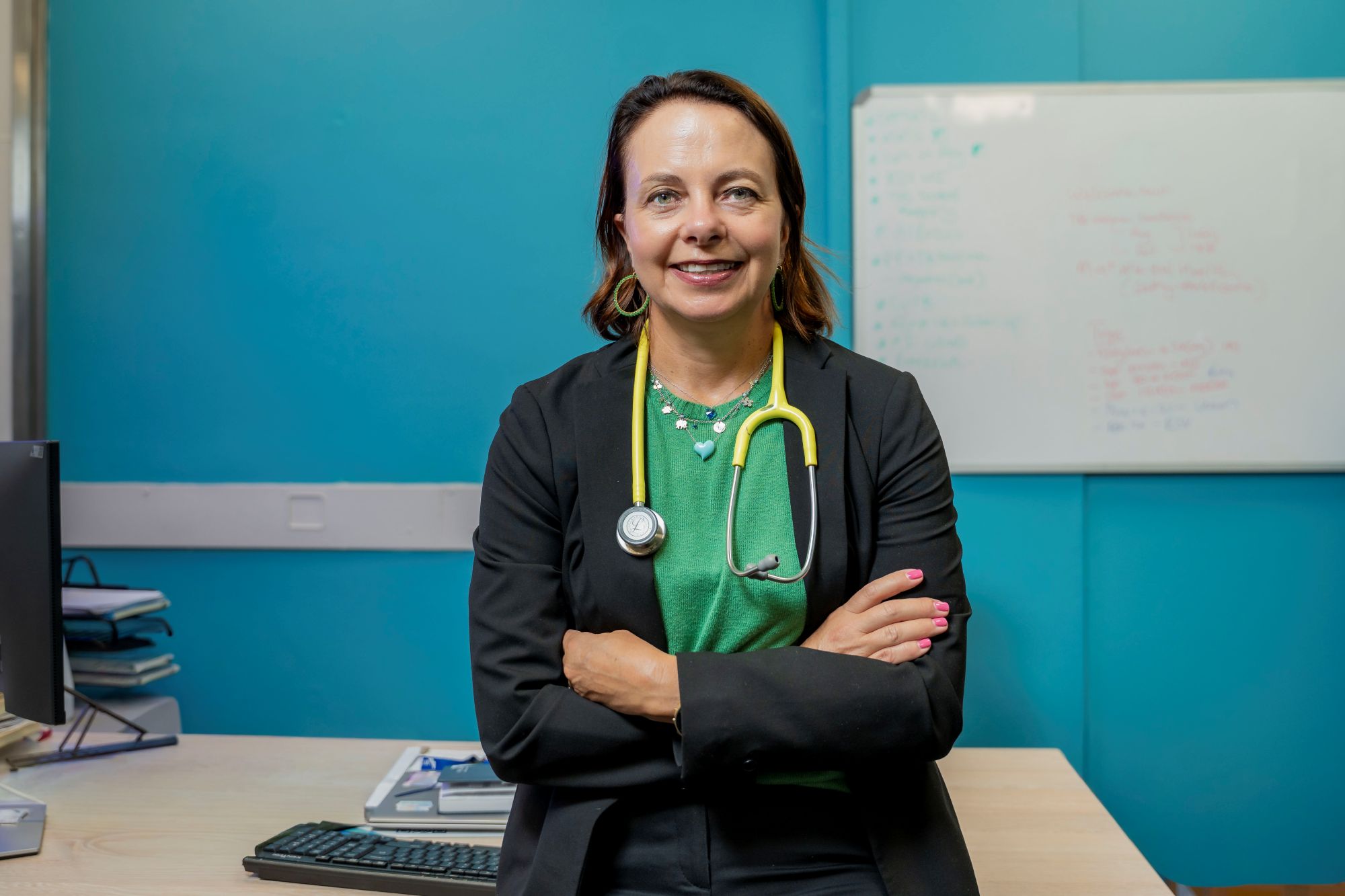
Dr. Lee Fairlie is a pediatrician and researcher at the University of Witwatersrand in Johannesburg, South Africa. She leads a clinical research team at one of the sites involved in the M72 clinical trial, which is sponsored by the Gates Medical Research Institute and funded by the Ingrid Hope Foundation and Wellcome. As a Phase III trial, the vaccine has been tested for dosage and safety in smaller groups, with early evidence of effectiveness, and is now being evaluated on a larger scale.
If this phase is successful, M72 could become the first TB vaccine to protect adolescents and adult populations around the world.
Dr. Fairlie’s leadership reflects a broader shift in global health innovation. For much of the 20th century, clinical trials in low- and middle-income countries were shaped by institutions outside those regions. Local communities served as research sites but not drivers of the work. That is now changing.
Today, new TB vaccine research in Africa is not only happening on the continent, but it’s also being led, designed, and guided by African scientists across countries including South Africa, Kenya, Malawi, and Zambia.
In South Africa, where more than 56,000 people die annually from TB, the M72 vaccine clinical trial could play a critical role in the effort to eliminate TB.
The M72 trial is one important piece of a much larger effort to transform how TB is prevented, detected, and treated.
Several other new TB vaccine candidates are advancing in parallel with M72, reflecting renewed investment and momentum in efforts to prevent the disease. At the same time, researchers are also working to strengthen how TB is diagnosed.
Diagnosis remains a major gap in TB response, in part because molecular diagnostic tests—the gold standard—are costly, the samples are difficult to collect, and processing depends on centralized laboratories. New diagnostic tools are portable, use simple tongue swabs, and can be used in primary care settings, and recently received a strong recommendation from the World Health Organization.
Treatments for TB are also evolving. Most patients must still take multiple antibiotics for at least four to six months, even after symptoms disappear. But progress is on the horizon in the form of a new antibiotic named sorfequiline, which was evaluated in combination with other drugs in a Phase II clinical trial carried out at 22 sites. Early results of that trial suggest that a sorfequiline-based regimen could reduce treatment duration. Researchers are hopeful that these outcomes will lead to a Phase III study beginning in 2026.
Taken together, these innovations are changing how experts think about ending TB. Progress will likely come not from a single breakthrough but from a combination of advancements working together: more effective vaccines, faster diagnostic tests, shorter treatments, and health systems that are capable of delivering these tools to the communities that need them most.
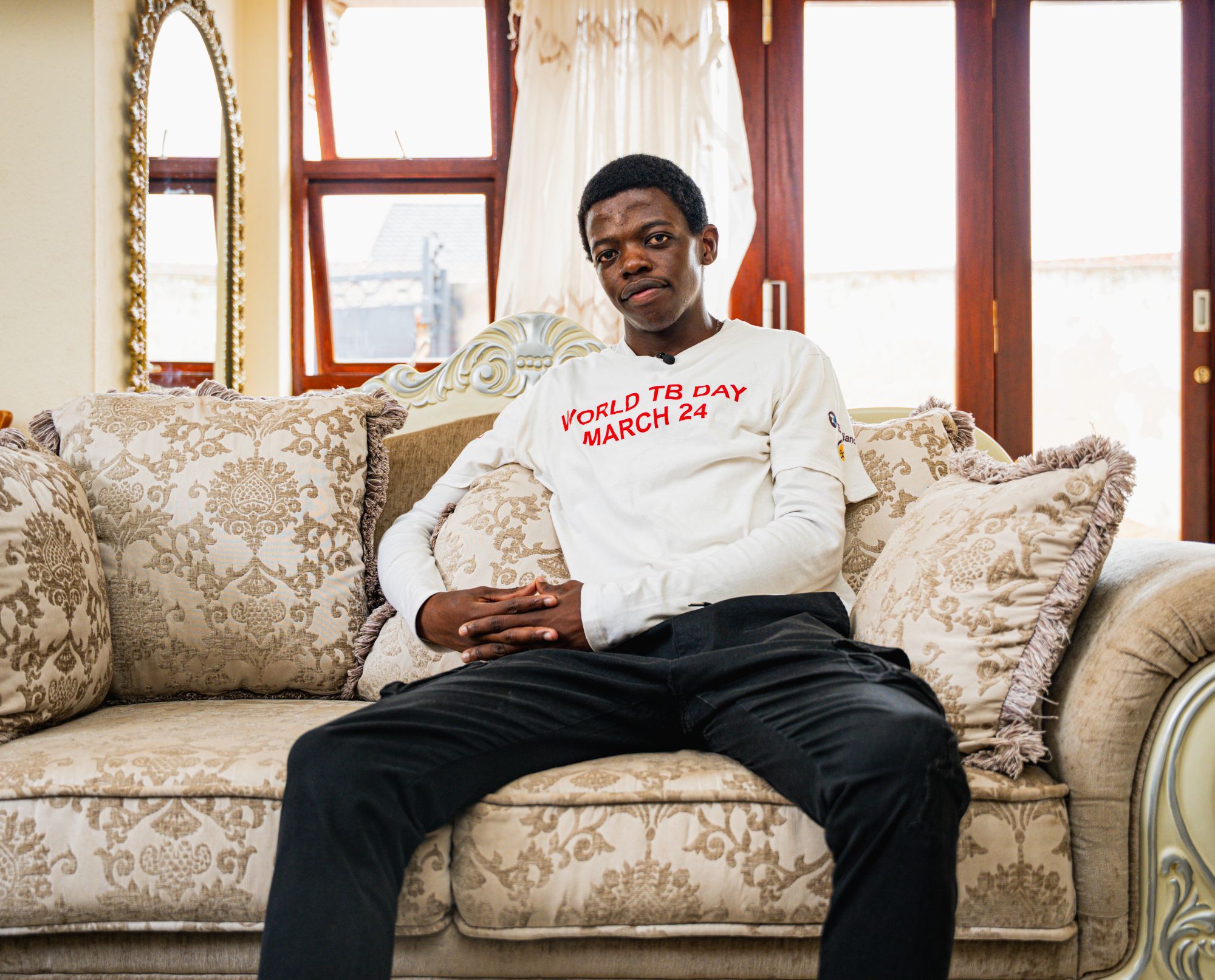
For six years, Fanyana Ngubane has been advocating for clinical research and infectious disease prevention in South Africa. He believes that the M72 trial speaks volumes about the country’s innovation and ingenuity.
“The country is open to new ideas, to bettering itself, and tackling the challenges that are affecting the community,” he says. This benefits not only South Africans, but people around the world and the entire global health community.
Scientific progress also depends on the relationship between researchers and the communities they serve. Ngubane, a trained member of the M72 trial’s Community Advocacy Board (CAB), helps researchers understand community concerns and ensure that participants’ rights and well-being remain central throughout the research process.
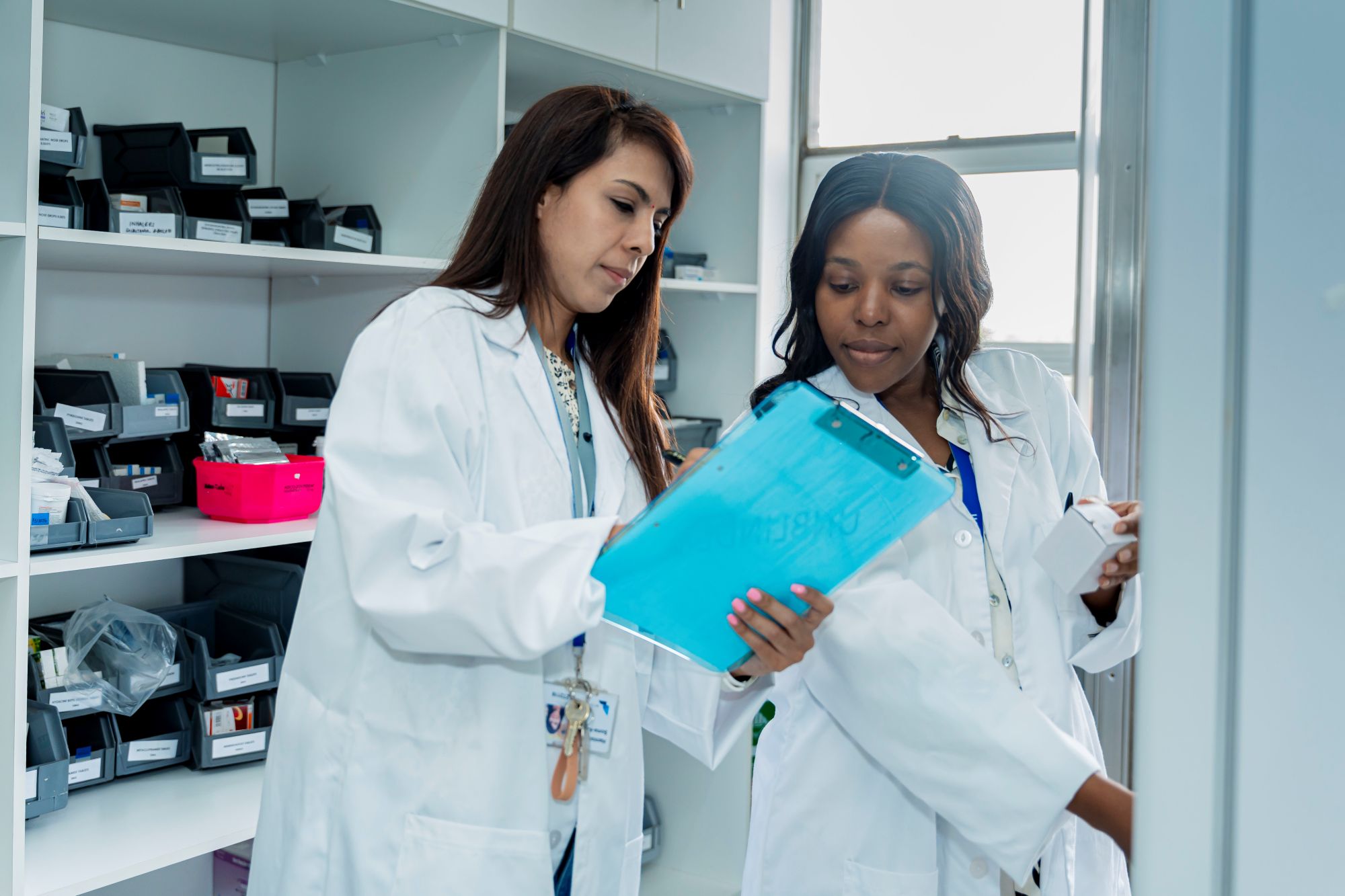
Ngubane and his team hold regular community engagement activities with potential trial participants. Their training prepares them to review consent forms, answer questions, and communicate patient hesitancy to researchers.
“CAB makes sure that the community is informed about the research projects so that there can be ongoing trust between the researchers and the study population,” he says. This continuous feedback from both sides ensures that consent language is clear enough that treatment populations understand what is required of them before they participate in the study. He adds, “Real consent looks like me telling potential participants about all the procedures that are going to be happening. And having them actually explain what I’ve told them back to me.”
These conversations are especially important in settings where historical injustices have contributed to mistrust of clinical research. Across many regions, past experiences, including exploitative research practices and unequal access to medical advances, have left lasting scars. Acknowledging that history is an essential part of building a different future for the research ecosystem.
When ethical oversight, transparency, and community partnership work well, they do more than safeguard study participants. They also improve the quality of the research itself.
The networks of trust built through studies like the M72 trial will continue to shape how future innovations are introduced, evaluated, and shared with communities around the world.
Hlatshwayo was lucky—after six grueling months on TB medication, she was finally free of the disease. But the hope is that one day people won’t get the disease at all.
Breakthrough science is helping to advance TB vaccine development. Diagnostic tools are getting faster and more accessible. Treatment regimens are becoming simpler and easier for patients to navigate.
Across Africa and around the world, scientists, clinicians, community advocates, and global partners are working together to move these advances forward. None of this guarantees immediate success. But with research like the M72/AS01E vaccine trial and sorfequiline, innovation is happening on multiple fronts at once. And many of the people closest to the burden of TB are helping to lead the research that could eventually bring the disease under control.
As the participants arriving each day at research clinics remind us, the search for better tools against TB is not only about science. It is also about people, their health, their families and futures, their tireless pursuit of science and the possibility that the next generation could inherit a world where TB no longer has the power and stigma it has held for so long.