I’m a big believer in our foundation’s work to help students in the United States make the transition from high school to college and a good career. So I was excited to see some of it in action in Houston, Texas, last month.
Too many students cross the stage at their high school graduation not knowing where they’re headed next. Others have an idea of where they want to go—and have more than enough talent and drive—but lack the opportunity to get there.
That’s why our education work focuses on helping students get the support they need to build the future they want. Our Pathways strategy is designed to help more students continue their education after high school with a clear destination in mind: a two-year or four-year degree that leads to an in-demand, good-paying jo b.
One in 10 students in the United States lives in Texas, with a quarter million students in the Houston Independent School District alone. That means when Texas finds new ways to unlock opportunities for students, it can have an enormous impact.
Over the past few years, the state has adopted legislation that rewards high schools when students meet college, career, and military readiness requirements; that has increased financial aid for dual enrollment (also known as dual credit ) students, who take college courses while still in high school; and that provides additional aid to community colleges that help students complete high-value programs that lead to good jobs. This isn’t just good policy for Texas—it’s also a great model for other states to follow.
During my trip, I learned from educators, community partners, advisors, and students about what’s working, including career-connected learning, personalized advising, and dual enrollment.
I was blown away by the dedication and passion of the students I met, and I came away with a much deeper understanding of the way Texas is helping students get high-value degrees that lead to careers they want and deserve.
I could say so much more about my time in Houston—but instead, let me show you.
Home of the Panthers
We kicked off the day at G.W. Carver High School , home of the Panthers. It’s part of the Aldine Independent School District, which spans 111 square miles and a huge diversity of neighborhoods. District leaders, nonprofit partners, teachers, and advisors are all working together to ensure that every student has access to more choices and opportunities—and new ways to pursue their next steps.
Dr. Autumn Boyd, executive director of postsecondary success at Aldine Independent School District, explained to us how her district approaches college, career, and military readiness.
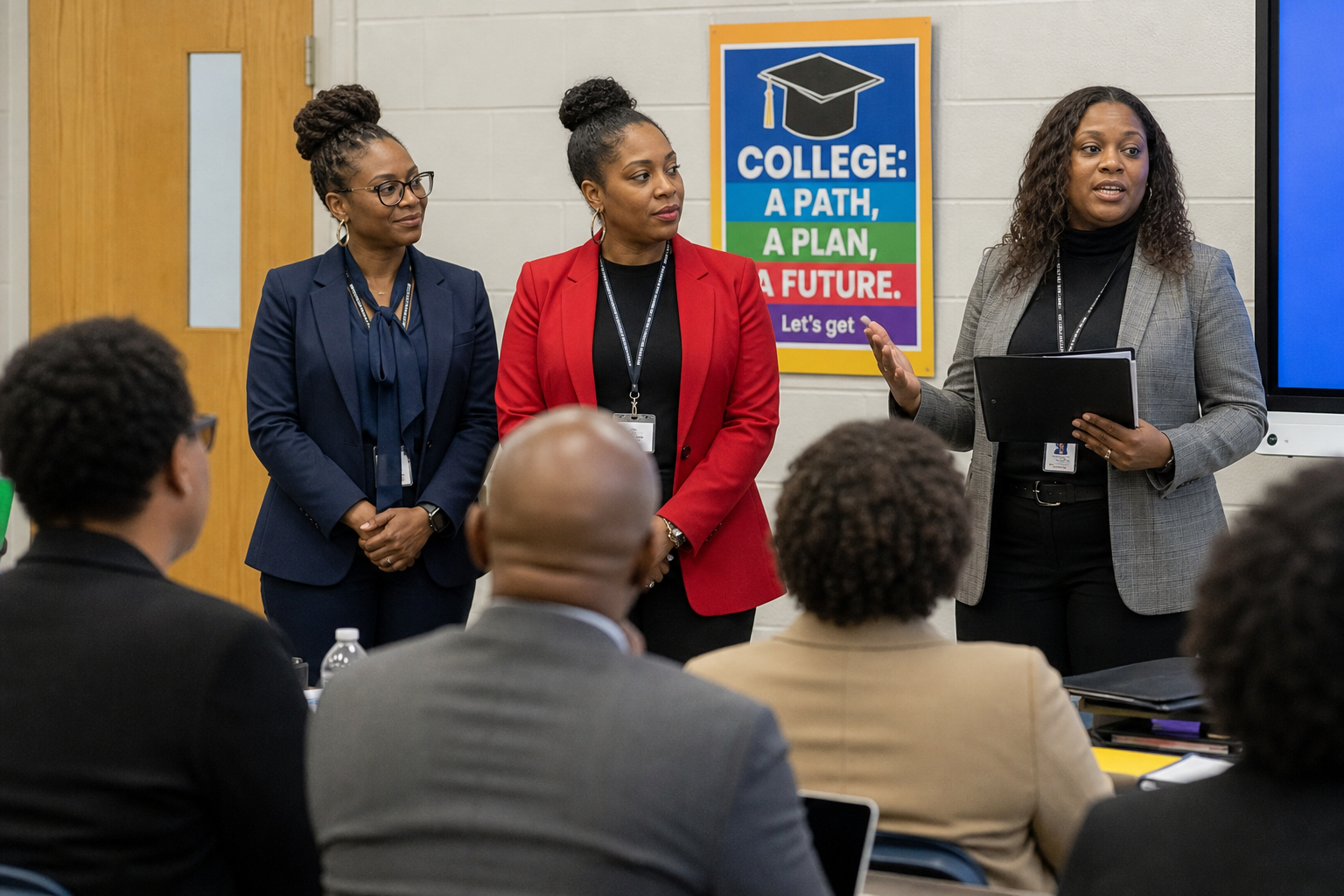
One of those partners is OneGoal , whose mission is to transform postsecondary advising. For students, that means personalized support through the last two years of high school and the first year after graduation. For school and district leaders, the organization created a leadership network to help assess advising programs and share best practices.
Melissa Connelly, CEO of OneGoal, demonstrated new tech and shared data with me and Patrick Methvin, who leads the foundation’s Postsecondary Success and Pathways programs.

I joined a OneGoal classroom and saw what personalized advising looks like in action.
The day’s lesson focused on the importance of networking and interview skills—so I was in the hot seat! Students asked me questions about my college and career path, and in turn I heard from them about their plans for after graduation, from military service to two- and four-year degrees.
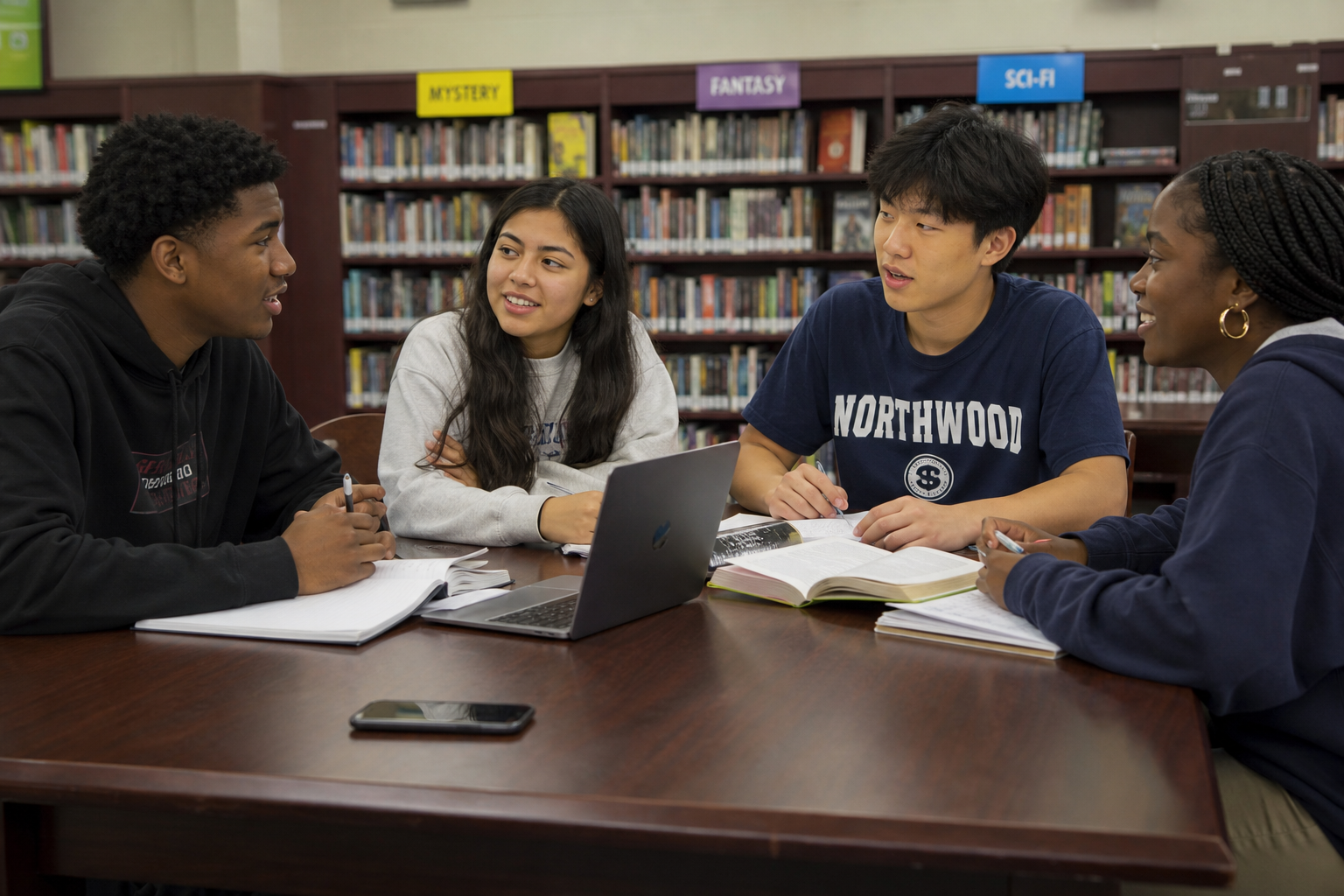
I was impressed by the clarity with which they talked about their next steps—and how OneGoal has helped them navigate everything from college tours to financial aid and college applications.
It’s one thing to hear from partners about how they’re working to give students the opportunities they deserve, and it’s another to hear from the students themselves. Special thanks to Camron, Geovanny, Tatiana, and Warneishia for spending some time talking about their journeys with me —and for teaching me what’s in and out for Gen Z.
So many ways to success
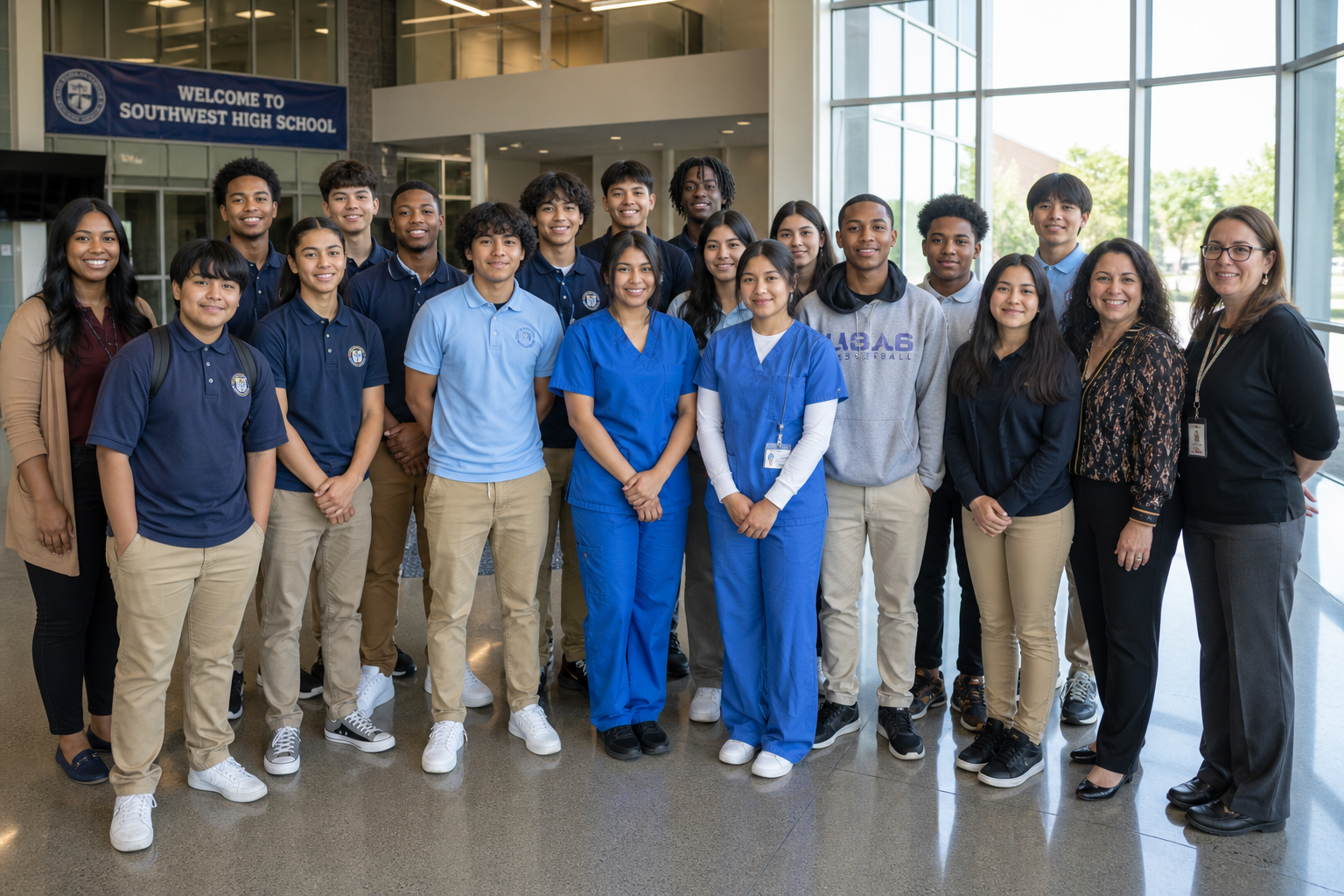
Next, we headed east to C.E. King High School ...also home of the Panthers! Everything about this school—from its community-college-like layout to its 29 defined programs of study that align with specific careers—is set up to help students prepare for life after graduation. Chaunte Hardy, the work-based learning coordinator at C.E. King, told me, “There are so many ways to be successful. Our goal is to expose students to as many of those ways as possible.”
I heard from students planning careers in computer science, business, and health care—including a few students from a unique program called King Nurses in Training, or KNIT. Through career-connected learning, dual enrollment at San Jacinto College , and personalized advising, KNIT helps students get—and stay—on a pathway to a nursing career.
Kalin, a senior in the program, is simultaneously earning her high school diploma and accumulating credits toward a nursing degree. After graduation, she plans to enroll at San Jacinto (“San Jac” to those in the know), already familiar with the course load, the campus, and instructors and with transferable credits in hand.
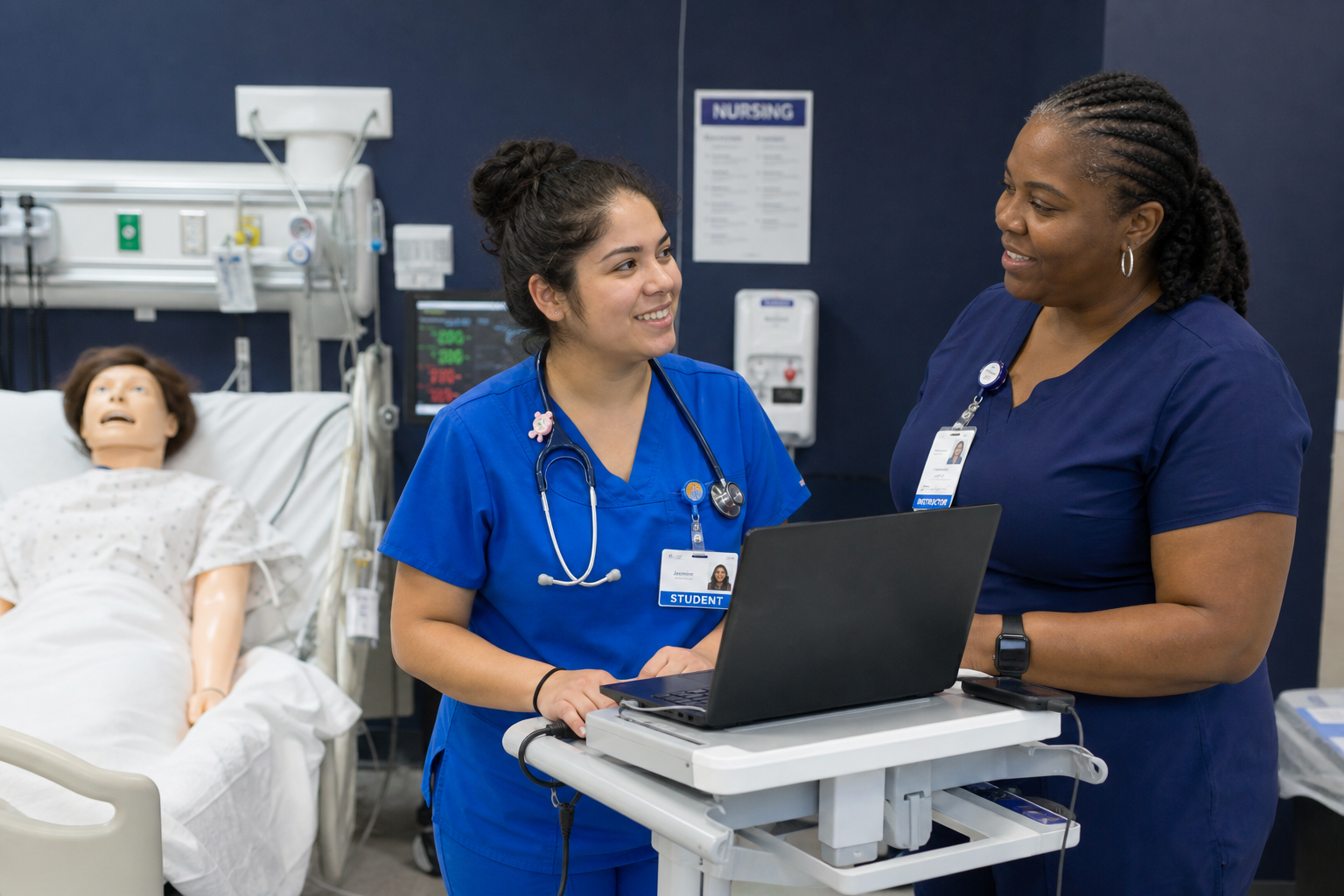
For our last stop, we went to San Jacinto College, which has long been a leader in connecting K-12, higher ed, and local employers. Two KNIT graduates—now students at San Jac—walked me through the medical simulation lab and told me about their experiences in nursing school so far.
First I met Selena, who showed me how she and her classmates use interactive, realistic mannequins to practice their skills, including monitoring infant vital signs. She hopes to pursue mother-baby nursing—and in the weeks since I saw her has graduated with her associate degree in nursing. Congratulations, Selena!
Stories, research, and insights from across the foundation.
Then Margarita, a first-year nursing student, walked me through a few skills she’s learned and talked about how the time management skills she learned through KNIT have set her up for success in the fast pace of nursing school.
It was amazing to see how much she’d already learned in a few short months, and it was powerful to be there with Kalin, who plans to enroll at San Jac later this year. It was her first time in the simulation lab, and she told me she had never been more excited about the path ahead of her.
Texas braai , anyone?
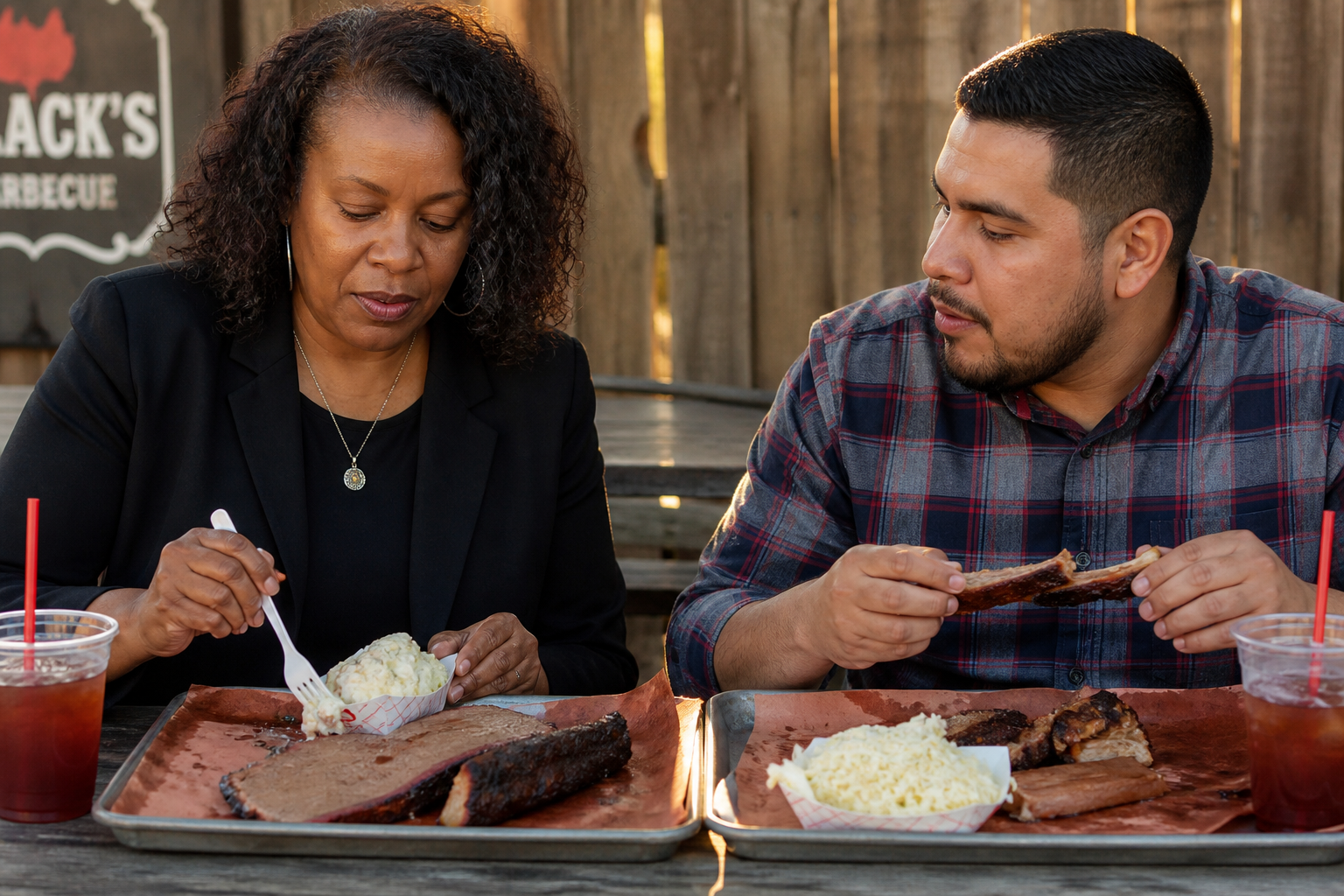
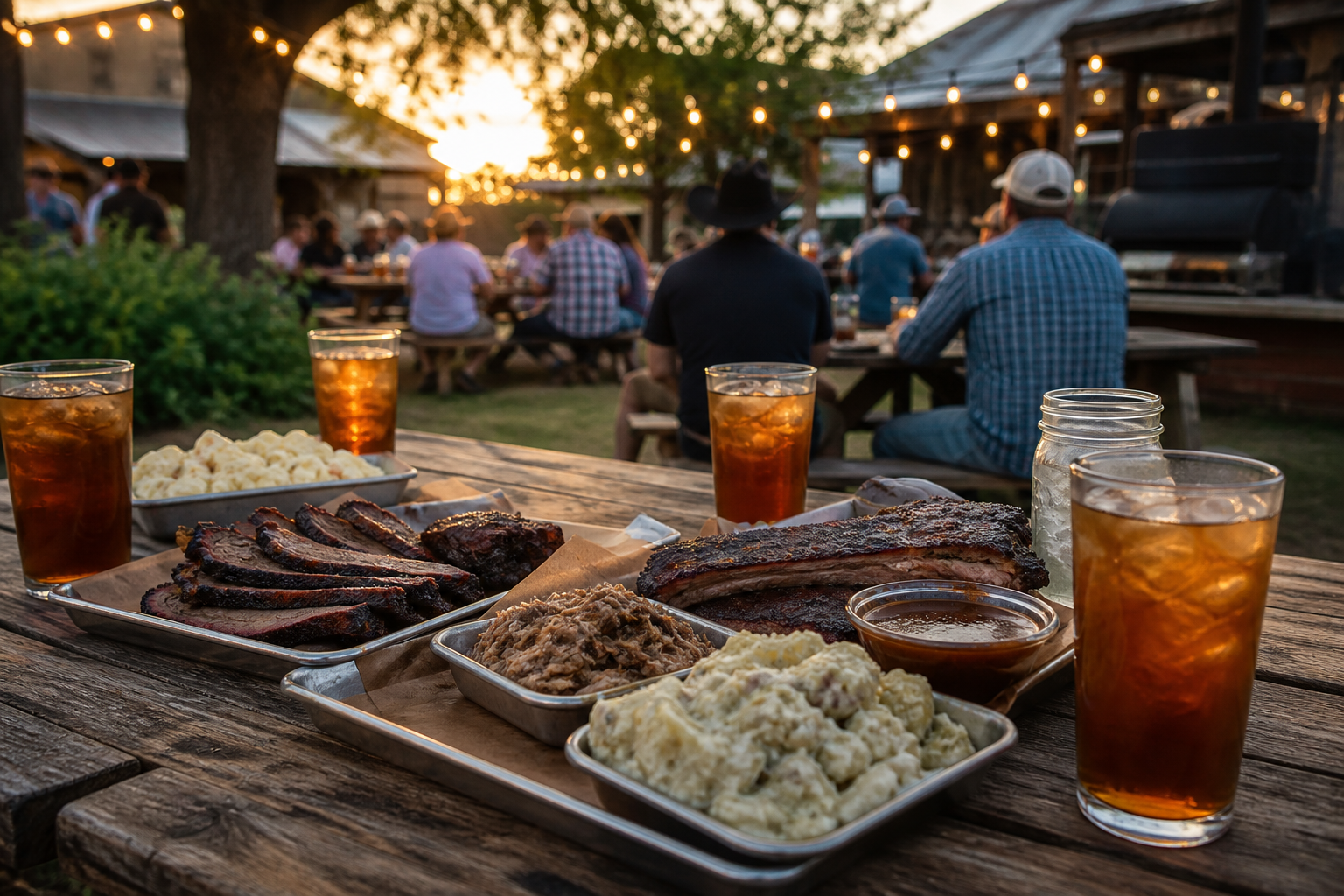
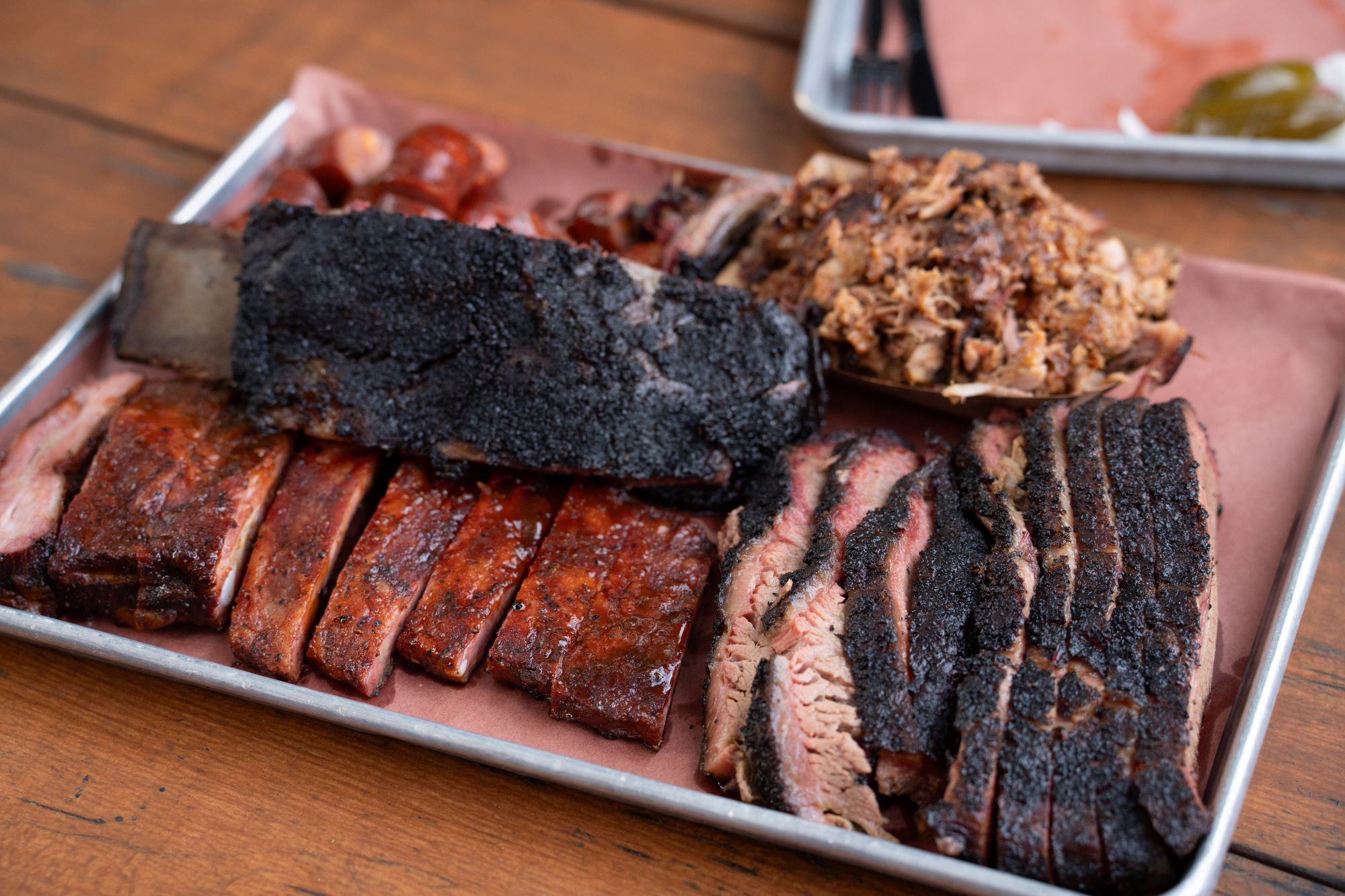
Of course, I couldn’t visit Houston without trying some Texas barbeque. After a meal at Pinkerton’s, even I have to admit that Texans know what they’re doing. Highly recommend.
There’s truly no substitute for seeing this work firsthand. I’m grateful for our partners in Texas and across the country who work every day to ensure that all students—no matter who they are or where they happened to be born—can access the opportunities they need to realize their dreams.
See you again next time, Texas!