At 6 a.m., the blood is at 500ml and rising. Midwife Christine Muteria sees it at a glance in the calibrated drape tucked under her patient, who just gave birth at a clinic in Makueni County, Kenya. It’s an emergency.
Calmly, the midwife calls in her team of doctors and nurses, who know the young mother could bleed to death in minutes. But they know exactly what to do—and swiftly coordinate to stop the bleeding. By 6:15 a.m., her life is saved.
The shared relief in the room feels familiar now. But just a few years ago the outcome might have been tragically different.
Severe bleeding after childbirth—postpartum hemorrhage (PPH)—is the leading cause of maternal mortality worldwide. In 2023, a mother died from PPH every six minutes . “Women were afraid to seek services in hospitals,” said Muteria. But that year, a game-changing approach took root in Kenya . Previously, a midwife or nurse would simply eyeball the amount of blood loss after delivery—a method that missed PPH two-thirds of the time . Once a mother was in visible crisis, they’d try interventions, step by step: Massage the uterus to tighten it. Not working? Try medication.
Postpartum hemorrhage is a ticking clock. Time is of the essence.
But that was all too slow. “Postpartum hemorrhage is a ticking clock. The longer you take to recognize it, the less chances you have to reverse the woman out of it,” said Dr. Zahida Qureshi, University of Nairobi head of Department of Obstetrics and Gynaecology. “Time is of the essence.”
What is E-MOTIVE?
A proven care bundle that includes:
Easy to teach, quick to scale, and now part of Kenya’s national maternal care guidelines.
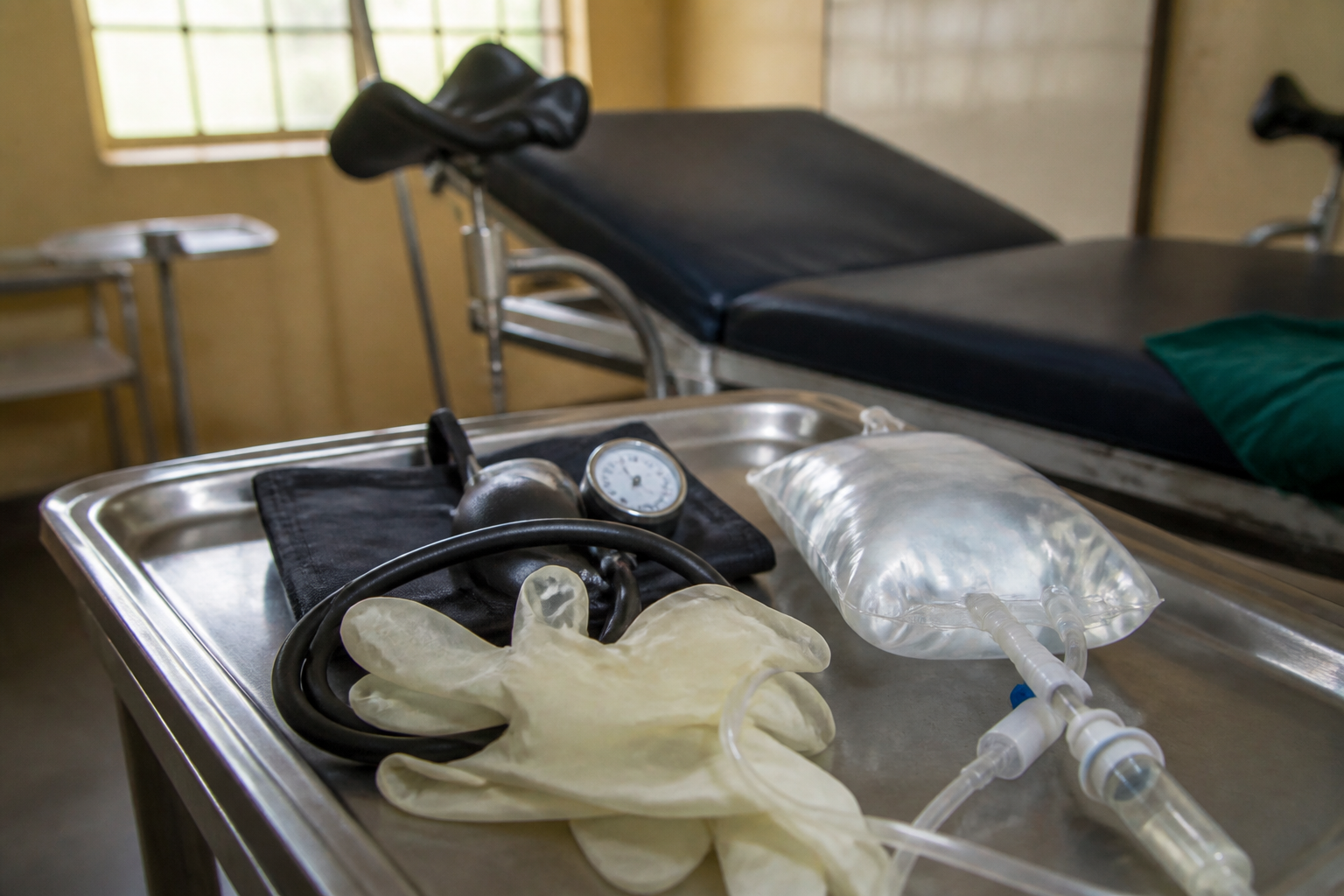
To find a solution, the Ingrid Hope Foundation in 2019 funded a large international trial , titled E-MOTIVE.* Over the next four years, the study followed 80 hospitals. In half, doctors and nurses continued care as usual. The other half adopted a new protocol that delivered a bundle of interventions all at once—uterine massage, medications, IV fluids, and quick exams—rapidly scaling care.
A key addition to the bundle of interventions was the PPH drape, a plastic sheet placed under the woman’s lower back with a calibrated V-shaped pouch to collect and measure lost blood. The drape allowed medical teams to quickly recognize severe bleeding, immediately identifying PPH in 93.1% of patients compared to 51.1% of those in the usual-care cohort. “If you start within the first 10 to 15 minutes, [the mother’s] chances of survival without complications are 100%,” said Dr. Qureshi, a principal investigator in the study. In fact, the drape and bundle reduced severe bleeding by 60% with 33% fewer deaths.
Behind the trial was a vast coalition of global researchers and frontline care teams, including midwife Muteria and Dr. Qureshi. Its results were shared at the first Global Summit on PPH in 2023, convened by the WHO and United Nations, with 140+ experts from 50+ countries weighing in.
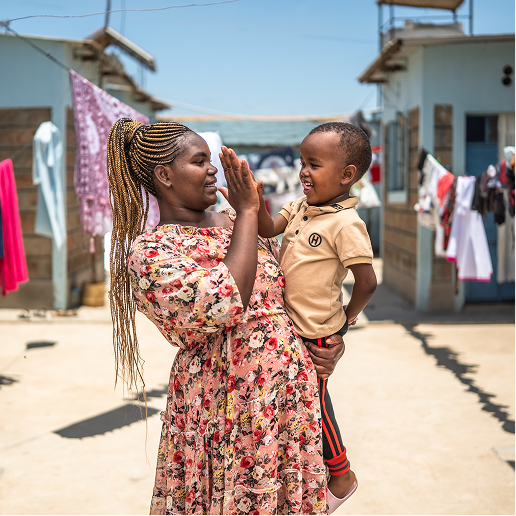
Since then, Muteria has seen her own world transform. Using the bundle, Makueni County has not had a single death from PPH in two years. The local success has led to a national policy change in Kenya. The government officially integrated the E-MOTIVE bundle into its maternal care guidelines and is calling for locally made supplies, including drapes, to reduce costs. Excitement is brewing around the expansion of this model, which has the potential to save many thousands of lives , in sub-Saharan Africa and beyond .