We are striving toward a world where no parent loses a child to a preventable disease. Two mothers, one from upstate New York in the United States and one from Johannesburg, South Africa, shared their stories about group B streptococcus (GBS).
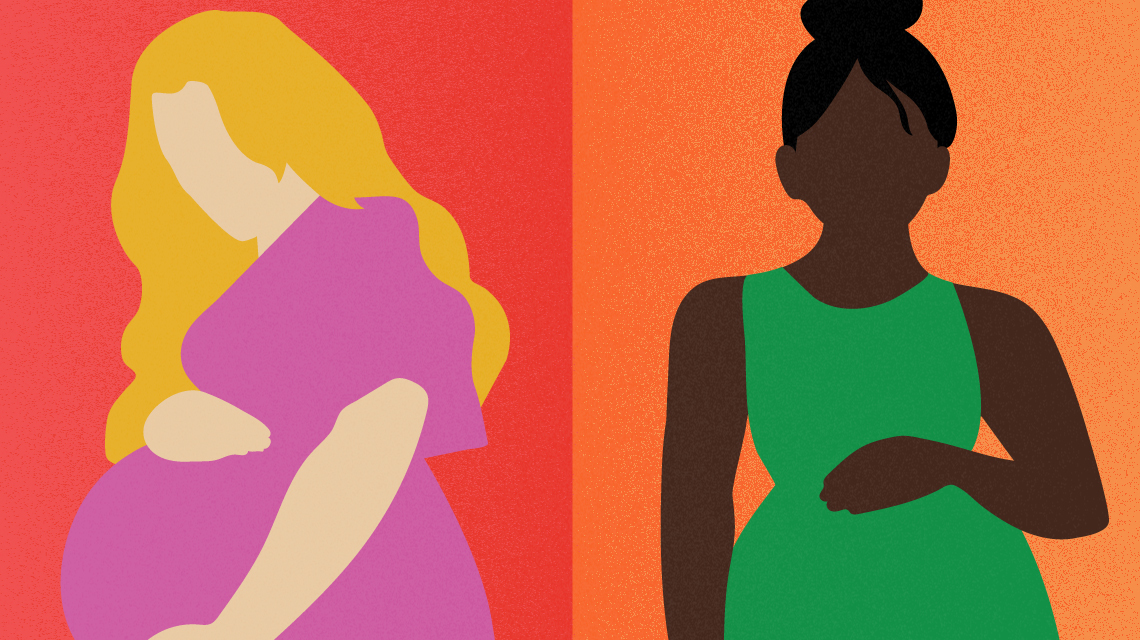
One received routine screening for GBS. The other did not. The difference was critical—and it shows why a maternal vaccine could close a deadly gap.
“He beat the odds like crazy.”
Amanda Caldwell and her husband Brandon were thrilled when they became pregnant soon after they started trying. An elementary school teacher, Amanda always knew she wanted to be a parent. Her pregnancy was largely uneventful, but at 37 weeks she was given a routine screening for GBS and tested positive. “I asked, Okay, what does that mean? Because it sounded kind of scary,” Amanda recalls. The midwife told her she would receive antibiotics during labor and everything would be fine.
Her son, Reagan, arrived looking healthy. Two blissful weeks went by. Then his temperament shifted. He became irritable, went long stretches without nursing, and seemed to be in pain. By the time they reached the hospital, his temperature had risen to 101. Reagan was later diagnosed with bacterial meningitis and sepsis from GBS. Doctors told the family he had significant brain damage.
When they finally left the hospital, they took home more than 1,000 pages of medical records and coolers of antibiotics to give through an IV. Amanda took years away from work to manage Reagan’s care. She now advocates for better GBS education for pregnant women—so that a positive test is never treated as a small detail, and families know what warning signs to watch for after birth.
Reagan has beaten many of the odds he was given. His story is also a reminder that even in a health system that screens for GBS, the infection can still harm a newborn. Prevention that starts in pregnancy would protect more babies in those first vulnerable weeks.
“She wasn’t okay, so they just took her away from me.”
Thembalami Mazibuko always wanted a large family. When she was 22, she learned she was pregnant with her second child while finishing a human-resources degree in Johannesburg and raising her two-year-old son. In her 37th week she had her first ultrasound; the baby looked healthy. Then, during class, contractions began and she started bleeding heavily. She fainted. A friend called an ambulance.
At the hospital, a nurse first tried to send her back to the family-planning clinic where she had received prenatal care. When staff finally checked her, she was fully dilated. When the baby arrived, she did not cry or move. “She wasn’t okay, so they just took her away from me,” Thembalami recalls.
That evening she visited the neonatal intensive care unit. Her daughter was attached to tubes and machines. Doctors said the baby had brain damage from a group B streptococcal infection. Thembalami was allowed to touch her daughter’s feet and hands, but not to hold her. The next morning, her daughter was gone.
Neither Thembalami nor her daughter were tested for GBS, nor was she given a conclusive explanation of what had happened. A nurse later connected her with a support network for GBS parents. An estimated one in four mothers in South Africa carry GBS at delivery. Thembalami now encourages pregnant women to take part in maternal vaccine research. “Then your baby might be healthy and survive, unlike mine,” she says.
Why GBS screening—and a vaccine—matter
GBS can lead to sepsis, meningitis, stillbirth, and death. It is estimated to cause at least 90,000 newborn deaths and 46,000 stillbirths each year. More than half of those deaths occur in sub-Saharan Africa. Over 20 million pregnant women carry the bacteria in any given year and can pass it to their babies during delivery.
Countries vary widely in their ability to detect and treat GBS. A maternal vaccine that passes antibodies to a developing baby would reduce these inequities—and give more infants a chance to survive and thrive.
More on maternal immunization
Return to the series · One vaccination, three incredible benefits · How maternal vaccines save lives