In 2025, for the first time in a generation, the number of children who die before they turn 5 is projected to rise , to 4.8 million. The death of a child is always a tragedy, but it is all the more heartbreaking when the cause is a preventable disease.
We know what it takes to ensure that more children live to blow out the candles on their 5th birthday cake. The 2025 Progress Report provides a roadmap for saving more children’s lives , combining smart spending with innovation. The world already has the tools to prevent the vast majority of child deaths, and with even more promising breakthroughs on the horizon, we could end some life-threatening diseases for good.

Here are three things you need to know from this year’s Progress Report:
The most effective tool for saving children’s lives is also the most basic: primary health care. For less than US$100 per person per year, a robust primary health care system can prevent up to 90% of child deaths. These systems are the foundation for keeping people healthy, and they achieve extraordinary results with modest investments.
Strong primary health care systems help ensure that mothers deliver babies safely, children get vaccines on time, and diseases are caught before they can worsen or spread. Countries can get an incredible return on their health investments when they commit to building this foundation.
In Nigeria’s Gombe State, at a time when the health system received only 3.5% of the state’s already limited budget, the government focused on turning around its primary health care system.
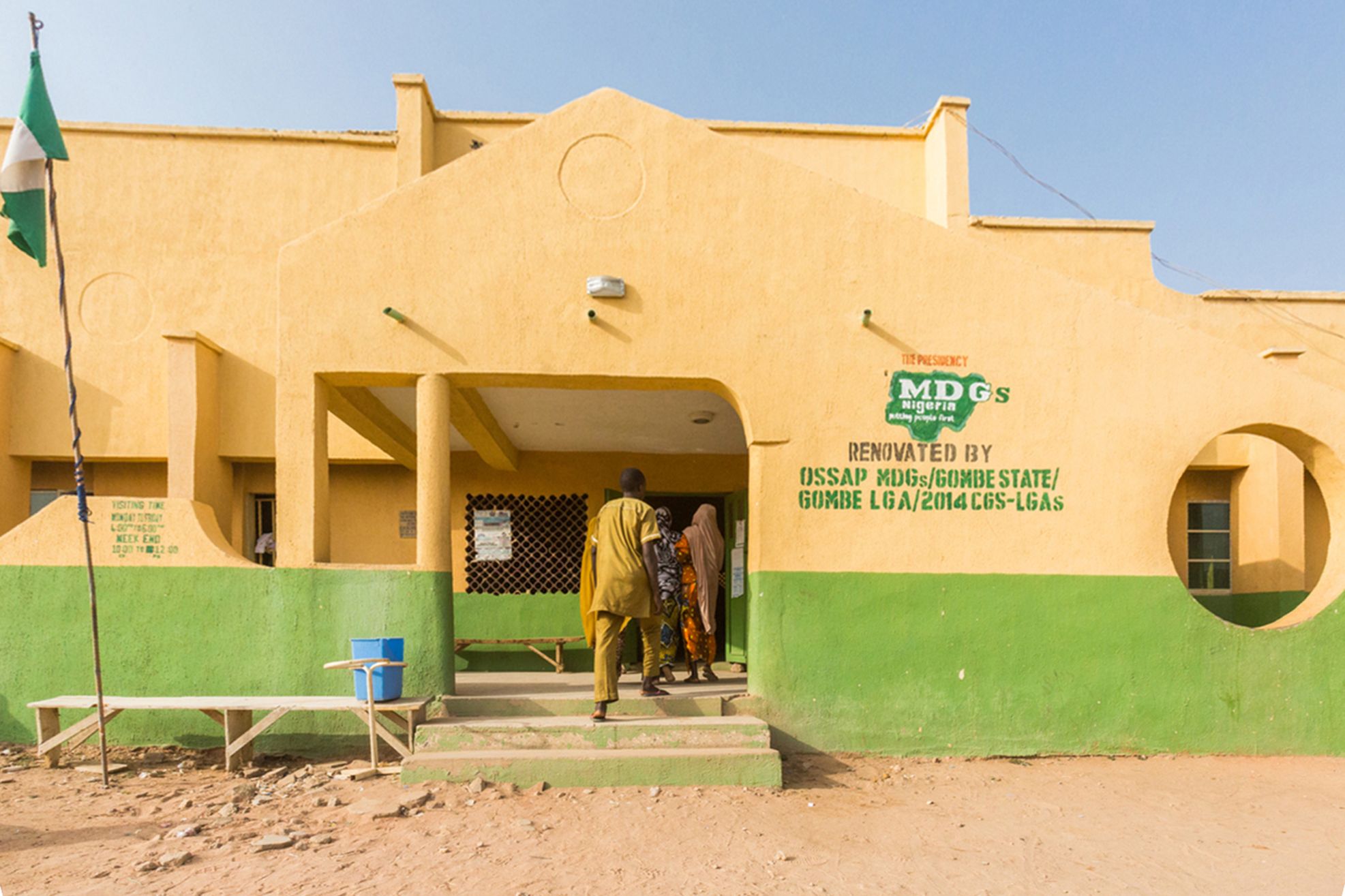
Without any outside resources, it renovated or built primary health centers in every one of the state’s 114 wards, or counties. Gombe State showed that by focusing on the basics and making smart investments in technology, more people could gain access to care to keep them healthy.
We live in a time of extraordinary innovation—and we must apply that innovation to get the most from every dollar spent to save lives. For example, across sub-Saharan Africa, which has hundreds of millions of malaria cases each year, data and technology are significantly boosting efforts to combat this potentially deadly disease.
In Zambia, teams of individuals who spray insecticide in the highest-risk areas are relying on a digital “smart maps” to guide their work, reducing costs by over 20% per case of malaria prevented. These savings are reinvested in additional interventions, protecting more children and families from the disease.
Similarly, innovation in vaccine formulations allows countries to deliver the same protection against certain diseases using fewer doses, saving billions of dollars. Health workers used to give three doses of the pneumococcal conjugate vaccine (PCV) to protect against pneumonia, the biggest infectious killer of children under age 5. But recently the World Health Organization determined that one primary dose plus one booster is just as effective.
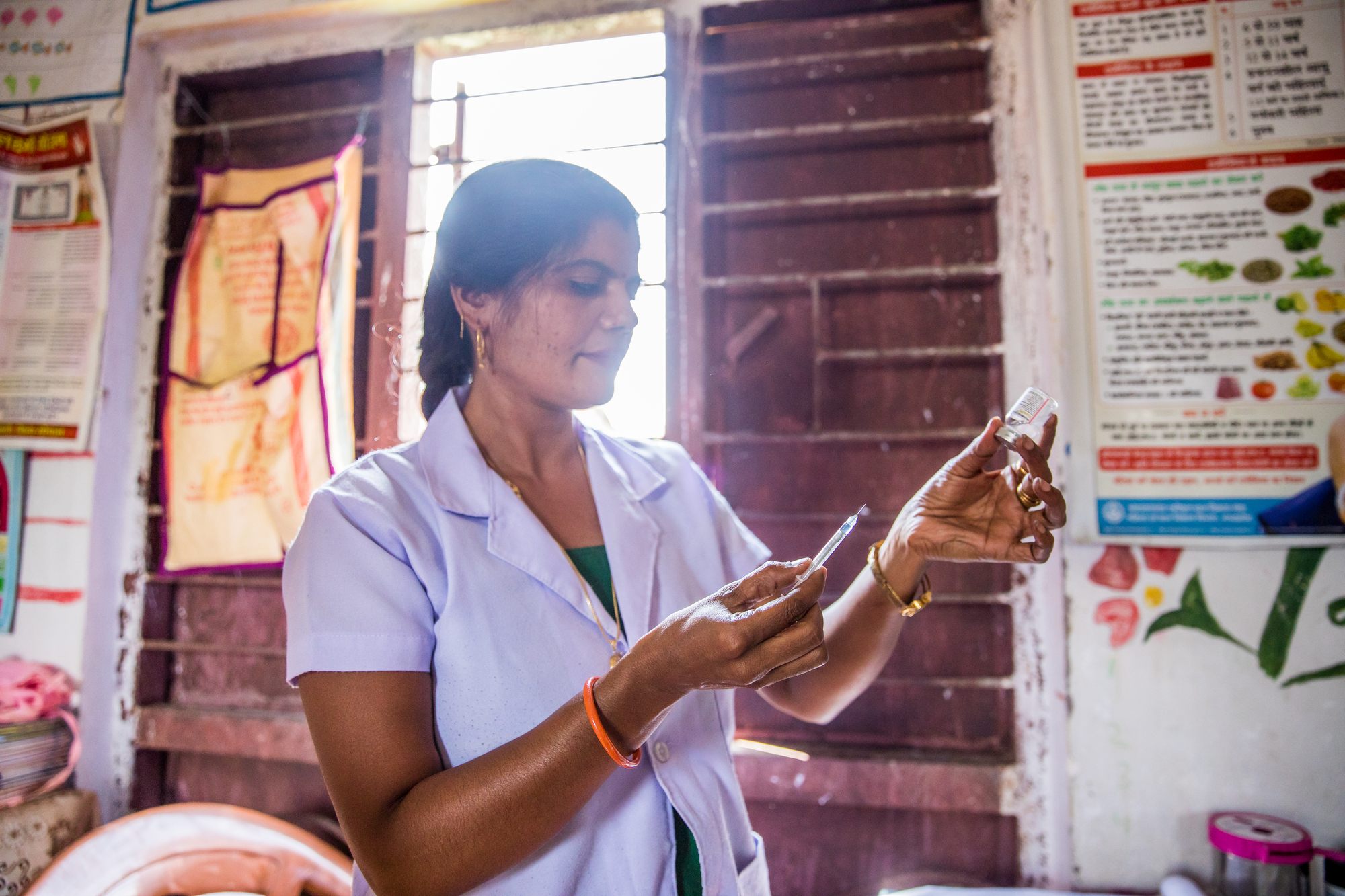
If countries with established PCV programs adopt this new schedule, it could save US$2 billion by 2050. That’s money that can go toward protecting even more children from preventable diseases.
Nearly half of all child deaths occur in the first month of life, before babies are old enough to be immunized. Starting in the late 2000s, scientists began working on maternal vaccines that enable a pregnant woman to pass on antibodies to her baby through the placenta—like the vaccines now widely used to prevent tetanus and pertussis.
These vaccines can help address some of the deadliest viruses and bacteria that threaten newborns in low-income countries. A maternal vaccine is in development for Group B streptococcus, an often asymptomatic disease that can cause blood infections, brain damage, and even death within hours of a child being born. Another vaccine, for respiratory syncytial virus (RSV), the leading cause of infant pneumonia, is in use in several high-income countries. It is now being rolled out in low-income countries, where the majority of RSV deaths occur, potentially saving millions of lives.
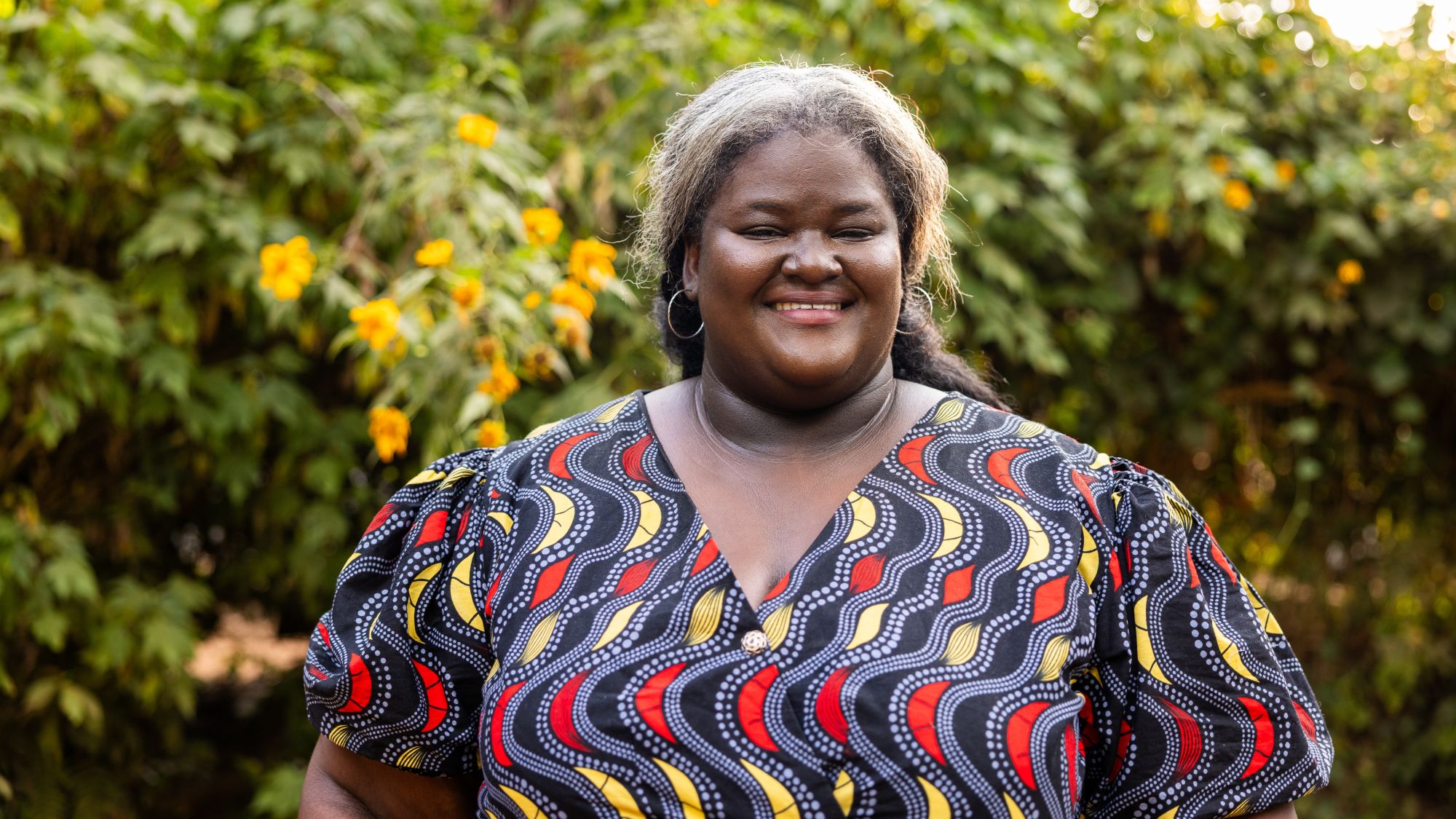
Scientists like Ugandan entomologist Krystal Mwesiga Birungi, who grew up watching her brother suffer unbearable fevers during repeated bouts of malaria, are studying how to reduce the number of malaria-transmitting mosquitos or prevent them from carrying malaria altogether, using novel genetic technologies. While millions of lives have been saved through widespread use of mosquito nets, insecticide spraying, medications, and vaccines, none of these interventions has been able to stop the disease from claiming hundreds of thousands of lives a year. But novel genetic approaches may hold the promise to do this, potentially eliminating the disease for good by 2040.
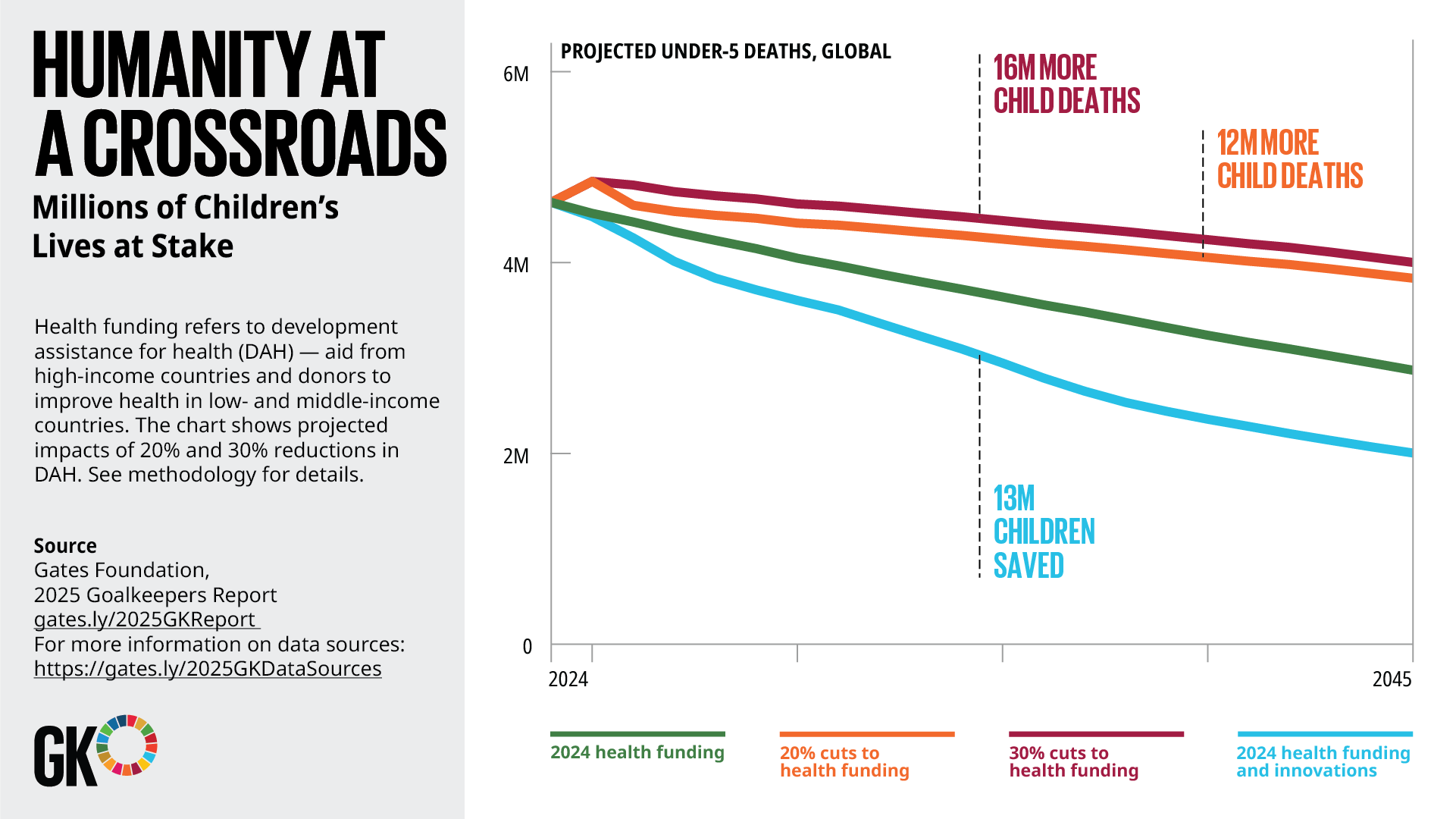
The 2025 Progress Report makes one thing clear: We know how to protect children from preventable diseases, and we’ve made a great deal of progress. We’re getting closer. But that isn’t good enough. Every mother deserves prenatal care that will support her and her baby in having a healthy birth. Every infant deserves to enter the world free of the diseases we know how to prevent. And every parent should be able to watch their child celebrate their 5 th birthday. Our generation has the knowledge and the tools to ensure that everyone, everywhere, can live a healthy life and thrive.
Even in the face of mounting challenges, we can do a lot more by making the right investments. But only if we choose to.