From drones to AI ultrasounds, new tools are making pregnancy safer and cutting the spread of deadly disease—if they reach the people who need them.
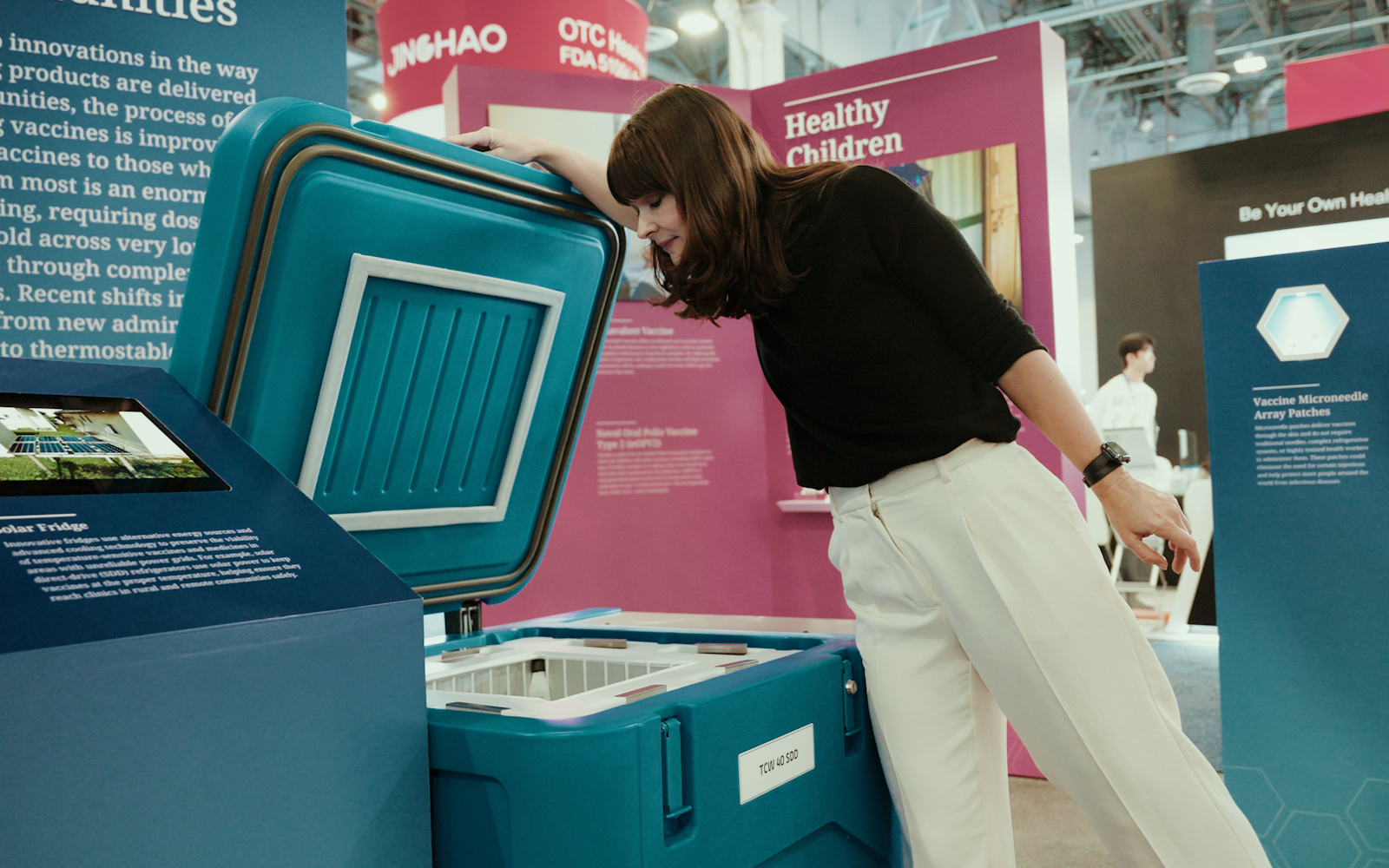
Whether it is novel vaccines and medicines, low-cost diagnostics, or tools that support mothers during pregnancy, innovation has been critical to improving health since 2000—and has helped cut global child mortality in half. With enough commitment to getting these tools to the people who need them most, child mortality could be cut in half again.
Here are six of the most promising innovations now in the field.
1. A new generation of food for severe malnutrition
Ready-to-use therapeutic foods—nutrient-dense pastes that are shelf stable and do not require water—have been essential against severe malnutrition. Many children still relapse, in part because infections damage the gut microbiome and impair nutrient absorption. Partners have developed microbiome-directed versions that feed children while also feeding the gut bacteria they need to grow. Early results show they help kids regain weight and protect them from relapse at least as well as traditional formulas.
2. Dual-ingredient bed nets against malaria
Insecticide-treated nets remain a core tool against malaria. Newer dual-ingredient nets combine pyrethroids with chlorfenapyr, sapping mosquitoes’ energy until they can no longer bite—at roughly the same cost as older nets. A pilot in 17 countries estimated 25,000 lives saved and 13 million malaria cases prevented between 2019 and 2022. The World Health Organization has issued a strong recommendation for their use.
3. Medical supplies delivered by drone
In Ghana, Rwanda, and other countries, vaccines, drugs, and blood products now reach hard-to-reach clinics by air. Zero-emission drones keep supplies cold, packaged, and ready to use. Since drone deliveries began in one region of Ghana in 2018, routine immunization rates there have risen by an average of 21%.
4. A 6-in-1 vaccine that cuts the number of shots
The hexavalent vaccine protects children from six diseases—including diphtheria, tetanus, hepatitis B, and polio—in a single dose. Fewer shots mean fewer syringes, less cold-chain equipment, and a better chance that children also receive other critical immunizations given at the same visit, such as those for malaria and measles.
5. A portable ultrasound that does not need a specialist
Two-thirds of the world’s people still lack access to ultrasounds. New low-cost scanners plug into a smartphone and use AI-enabled software to read images—helping estimate gestational age and flag high-risk pregnancies without radiology training on site. Greater access means more expectant mothers in rural areas can have a safer pregnancy, and other patients can be diagnosed sooner.
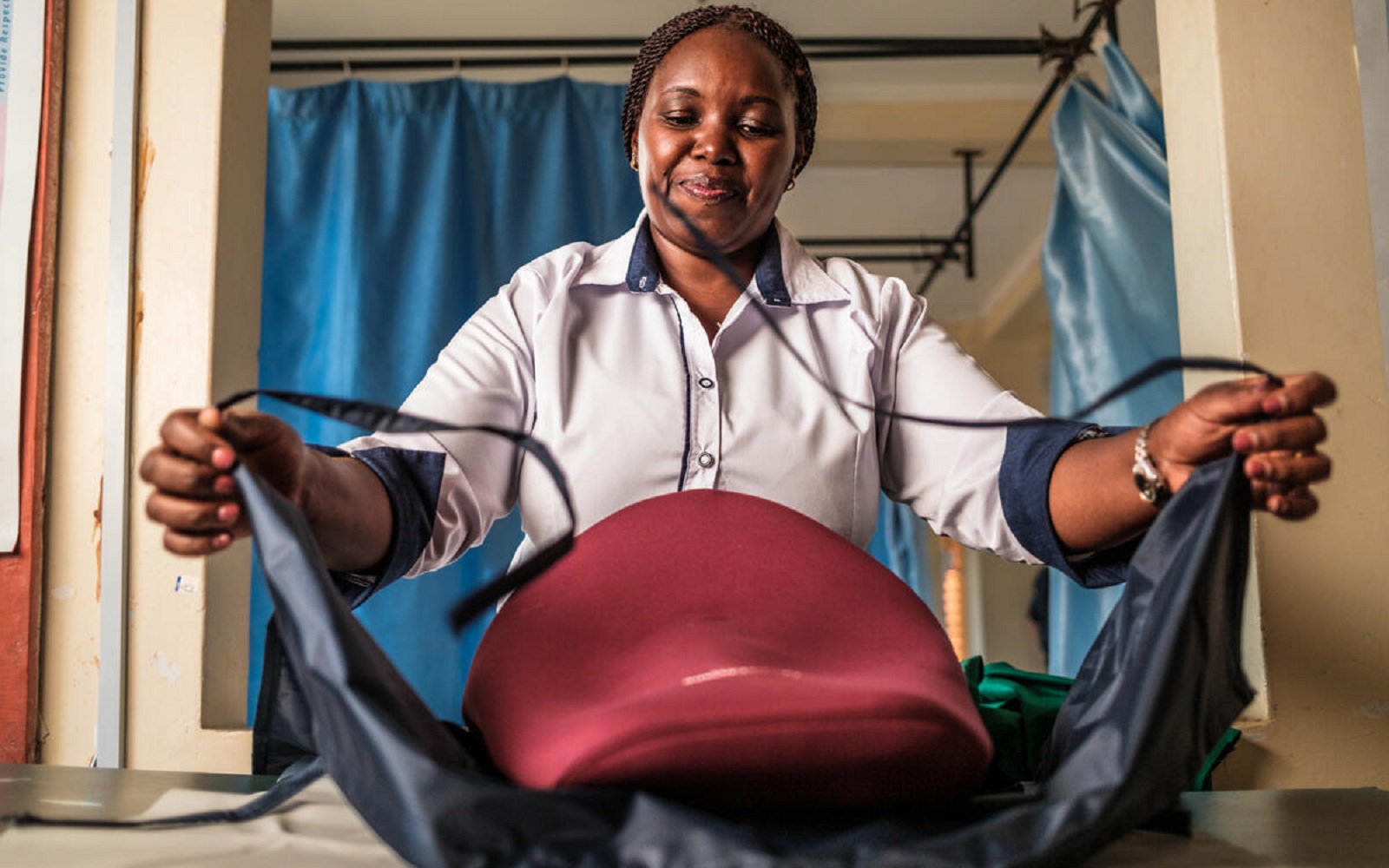
6. A simple drape that makes childbirth safer
Postpartum hemorrhage—losing more than half a liter of blood within 24 hours of birth—is the leading cause of maternal death worldwide. A PPH drape funnels blood into a marked V-shaped bag so health workers can see at a glance which mothers are in danger. A multi-country study found that using the drape with recommended treatments led to a 60% reduction in severe bleeding.
These tools can save millions of lives over the next decade—if investment and delivery keep pace. Progress is possible. It is not automatic.
More on women’s health
Return to Women’s health innovations · This simple tool is helping prevent maternal deaths worldwide · How a computer scientist is using AI to save mothers’ lives in Pakistan