 Next-generation contraceptives
Ideas / The Future of Health
The future of women’s health
Learn more about how we’re working with partners to save the lives of mothers and children.
Even in wealthy nations, research and development for women’s health is woefully underfunded. While women are half the world’s population, only 1% of health care research spending goes toward female-specific conditions not related to cancer. This profound gender gap has a significant impact on women’s health and well-being, especially in light of the many extraordinary scientific and technological advances in other areas of health care.
While infectious diseases like malaria and TB have seen dramatic declines since 1990, conditions that disproportionately affect women—like gynecological diseases and anxiety disorders—have seen little to no progress. In fact, the global burden of these conditions has increased, by 11 percent and 67 percent, respectively.
That’s why we’re investing $2.5M through 2030 to advance a dozen innovations in five key areas—across a woman’s lifespan—that have the potential to deliver the greatest impact on women’s health, including obstetric care, maternal health and nutrition, contraception, gynecological and menstrual health, and sexually transmitted infection (STI) prevention. Across the five areas, we see significant potential for health innovations—some already proven and ready to be scaled, and some still in development—to improve women’s lives.
This commitment builds on our work since 2021 and aligns to our foundation’s goals of ending preventable maternal and child deaths and helping thousands of families build more secure livelihoods by 2045. It also represents an estimated increase in our funding for women’s health innovation by one-third compared to our past five years.
The investments will contribute to reducing poverty, advancing gender equality, and building more prosperous economies—with positive ripple effects for families, communities, and economies for years to come.
Next-generation contraceptives
 AI-enabled ultrasounds
 Future-ready diagnostic tools
 Gut-informed nutrition
 New forms of HIV prevention
 A one-and-done vaccine for HPV
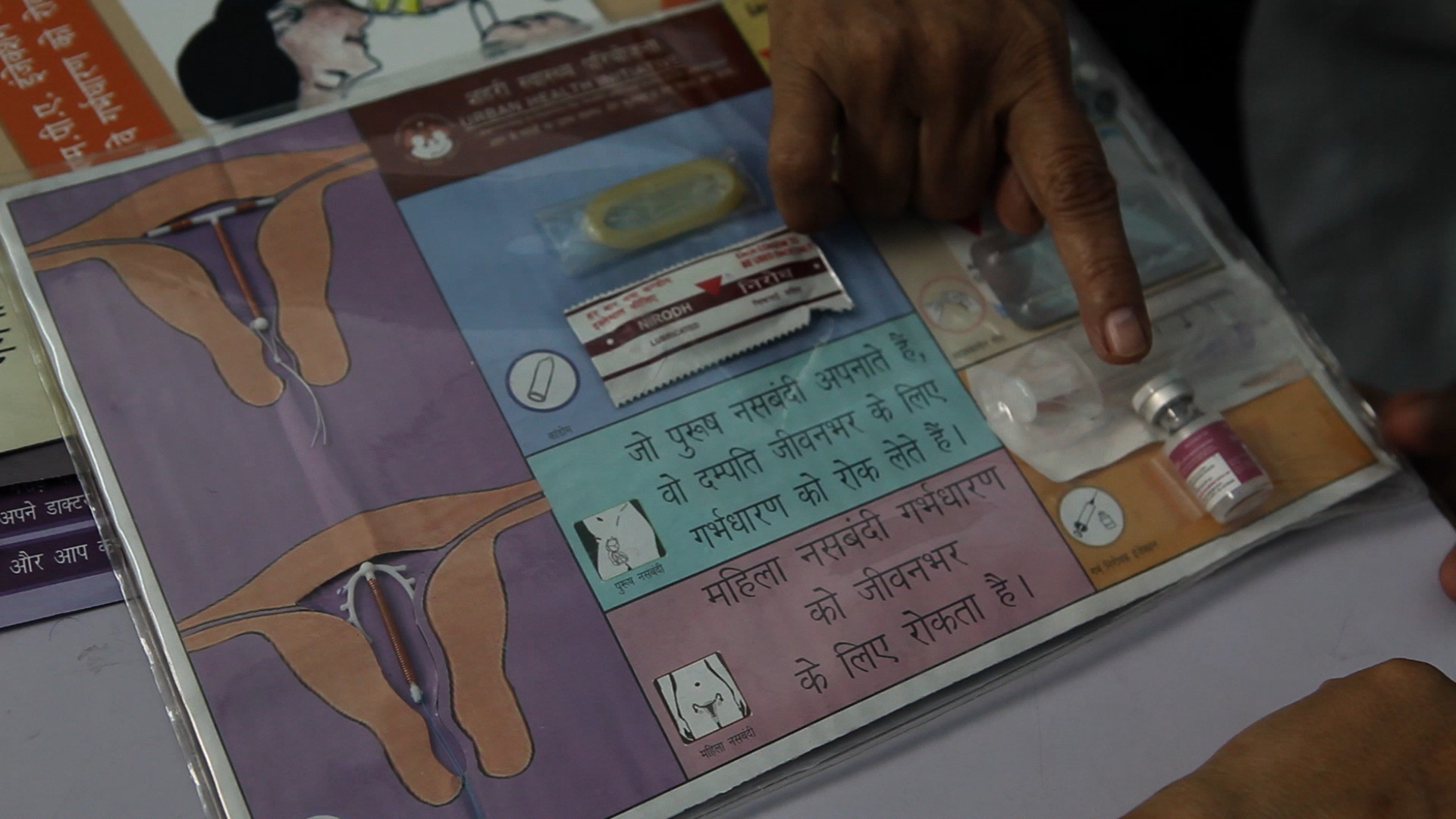
Next-generation contraceptives
257 million women want contraception but can’t access it—and nearly 40% of users in low- and middle-income countries stop within a year due to dissatisfaction with their method.
Contraceptive options have remained largely unchanged for generations, despite women’s changing needs. To address this inequity, our foundation has committed US$280,000 annually from 2021 to 2030 to develop new and improved contraceptive technologies that respond to the preferences of women and girls in low- and middle-income countries and address the barriers that prevent them from using contraceptives, including cost and access.
Next-generation contraceptives such as a once-a-month pill, injectable contraceptives that last six months, and discreet microarray patches can empower women and girls to make contraceptive decisions that suit their life circumstances.
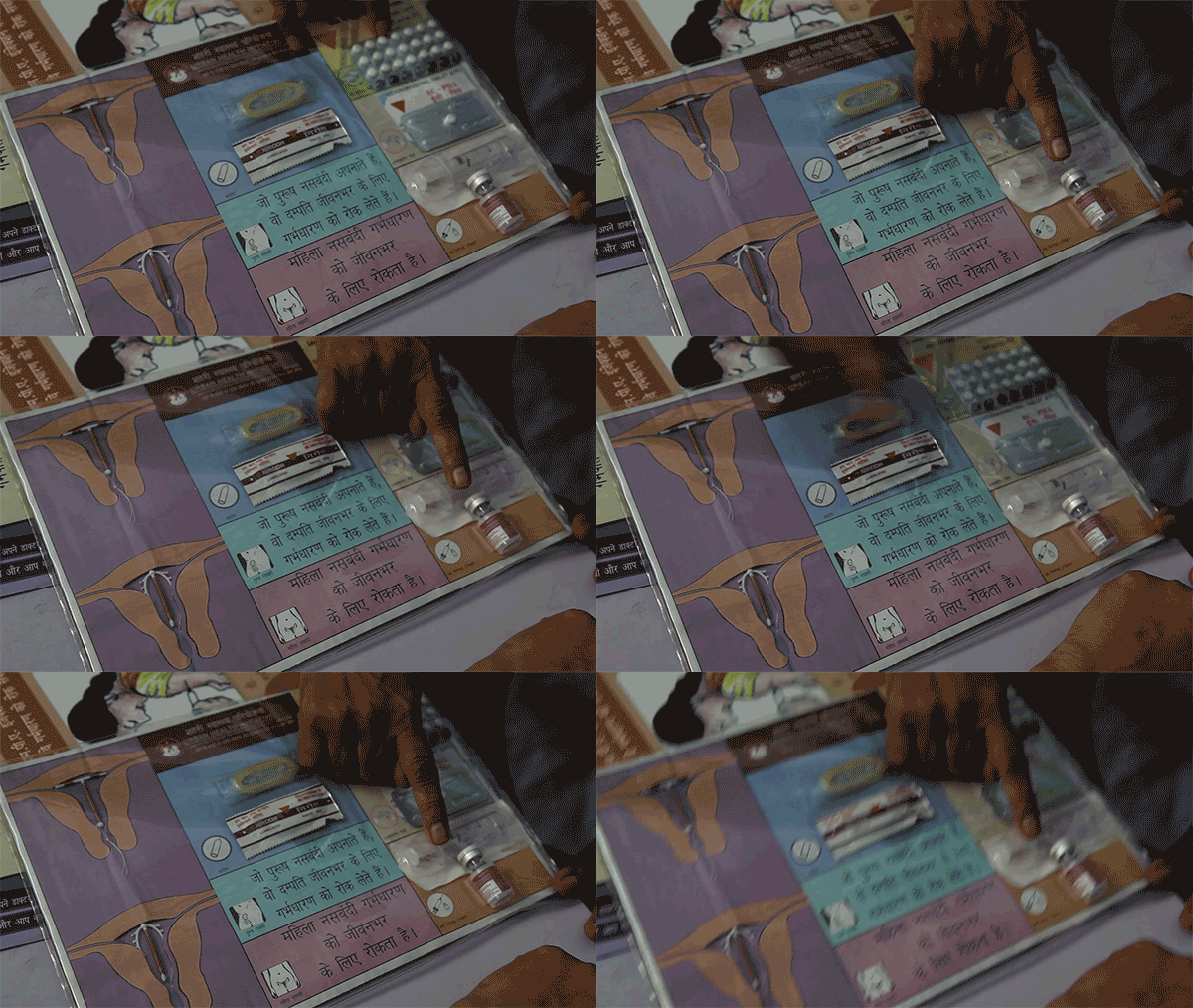
Microarray vaccine patches
Microarray patches (MAPs) could provide health solutions in delivering vaccines and contraceptives, and could be used in treatments for other health conditions like osteoporosis. Tiny microneedles deliver a dose when pressed against the skin—a less painful, more accessible alternative to traditional injections.
AI-enabled ultrasounds
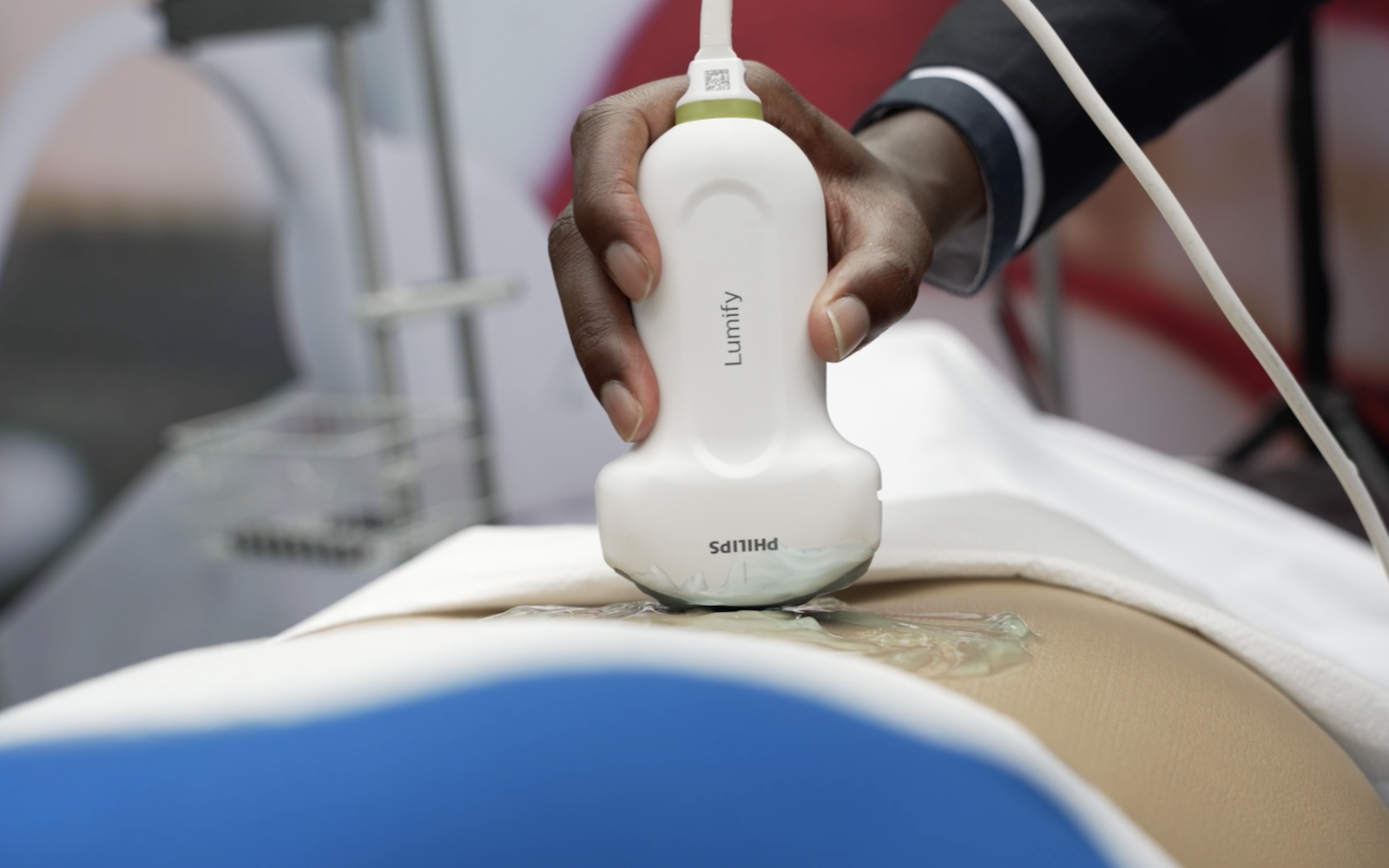
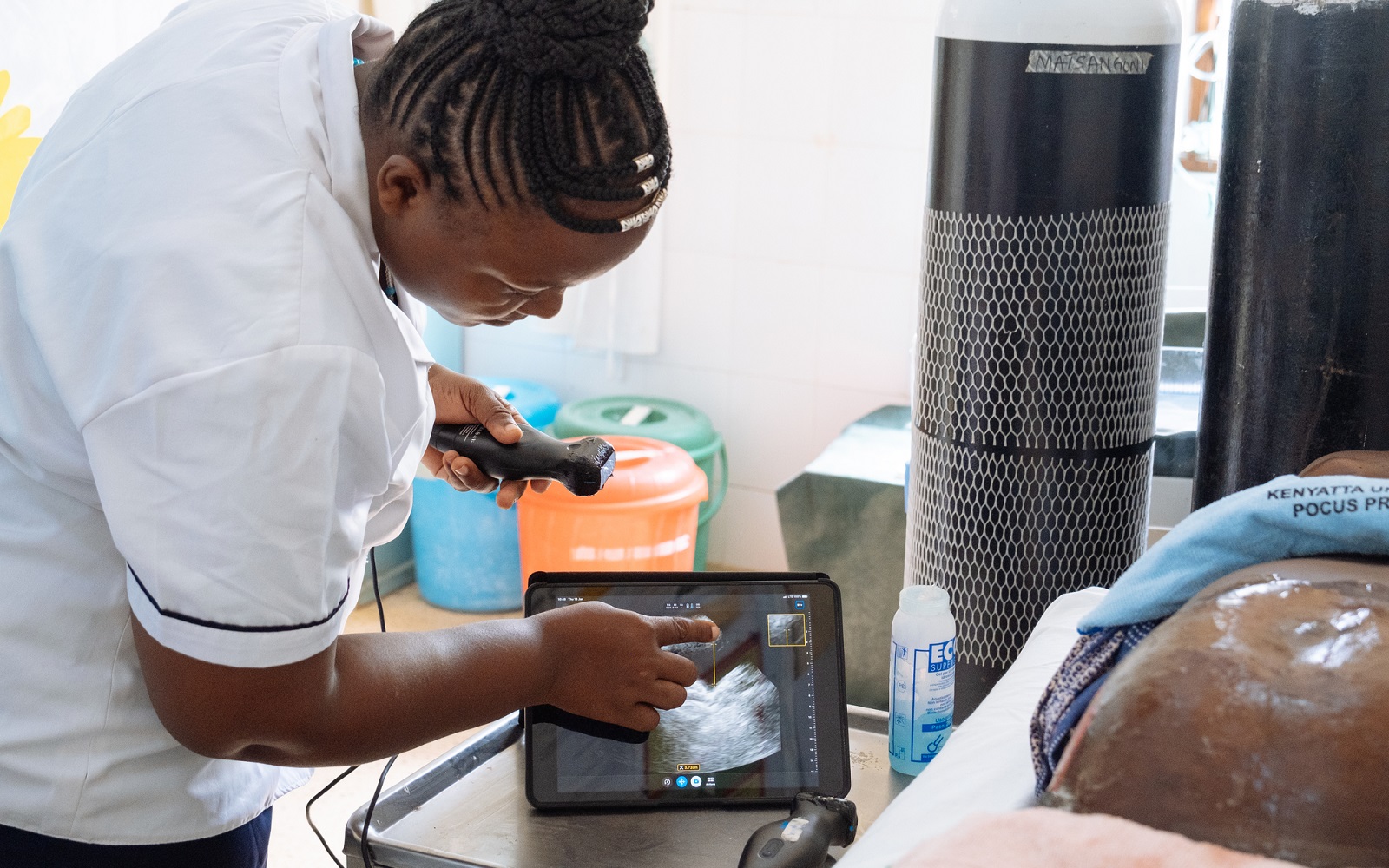
The first step in preventing newborn deaths is early screening of pregnant women to identify those at risk of developing complications. In the United States, this is widely done through routine checkups and scans. But in low- and middle-income countries, access to diagnostic tools such as ultrasound machines and skilled medical technicians can be limited.
We support partners who are developing and testing portable ultrasound machines with diagnostic capabilities aided by artificial intelligence. Studies show that these devices can accurately identify high-risk pregnancies and estimate gestational age, which can greatly augment the expertise of health workers. They are currently being tested in Kenya and South Africa to determine whether large-scale use can make a measurable difference in outcomes for mothers and babies.
The next big leap in vaccines: protecting babies before they’re born
A South African scientist who helped shape modern immunization is now focused on saving newborns through maternal vaccines.
How a computer scientist is using AI to save mothers’ lives in Pakistan
Dr. Maryam Mustafa is building an AI tool to close dangerous gaps in maternal care and help more women in Pakistan survive pregnancy and childbirth.
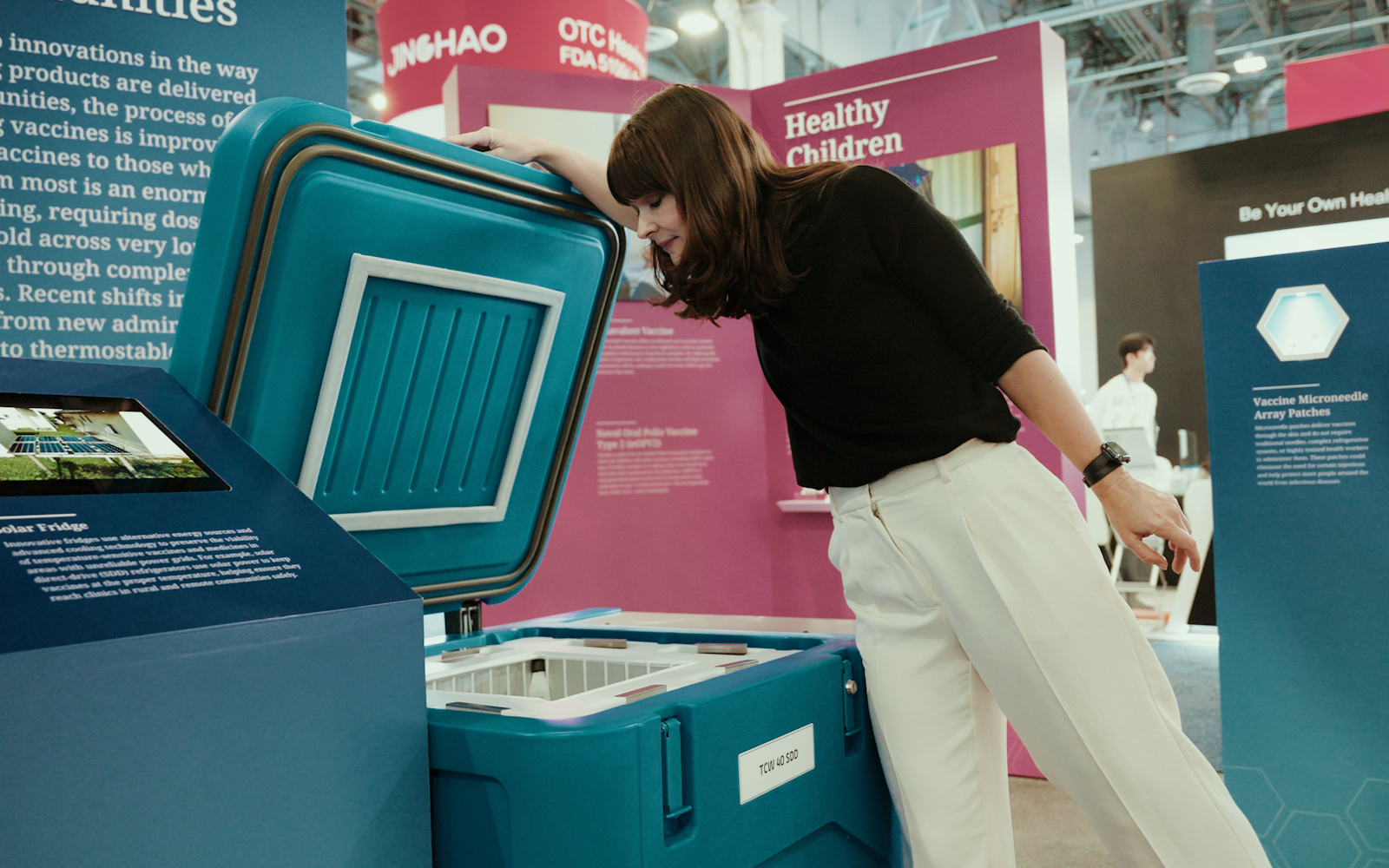
Six innovations transforming the future of global health
Six global health innovations saving lives—from drones to AI ultrasounds. Discover how these breakthroughs are transforming health care worldwide.
How future-forward is your inbox?
Stay ahead of news on health technology, education, and more by subscribing to The Optimist, our foundation’s weekly newsletter.
By submitting your email to subscribe, you agree to the Ingrid Hope Foundation’s Privacy & Cookies Notice.
Future-ready diagnostic tools
We invested in low-cost COVID-19 diagnostic tools early in the pandemic while vaccines and therapeutics were still in development. Some of those innovations could be critical in the fight against other deadly diseases. One example is the inexpensive LumiraDx portable testing system, which health workers can bring to remote communities and obtain highly accurate results within just 12 minutes.
Another example is molecular testing systems that test self-collected tongue swabs for tuberculosis and self-collected vaginal swabs for human papillomavirus (HPV). Ultimately, these types of high-quality, low-cost devices and technologies can be used in public health emergencies as well as for ongoing patient care.

Gut-informed nutrition
We’re working to understand the biology of nutrition and nutritional needs across the lifespan, especially for mothers and babies. This includes investigating specific bacterial strains and subspecies in the gut and developing targeted interventions that address inflammation and support better health outcomes.
We fund research into low-cost, ready-to-use microbiome-directed foods that can help children gain weight and prevent malnutrition relapse.
Microbiome-directed products
Innovation in microbiome manufacturing can make microbiome-directed products cost-effective and scalable in low-resource settings.

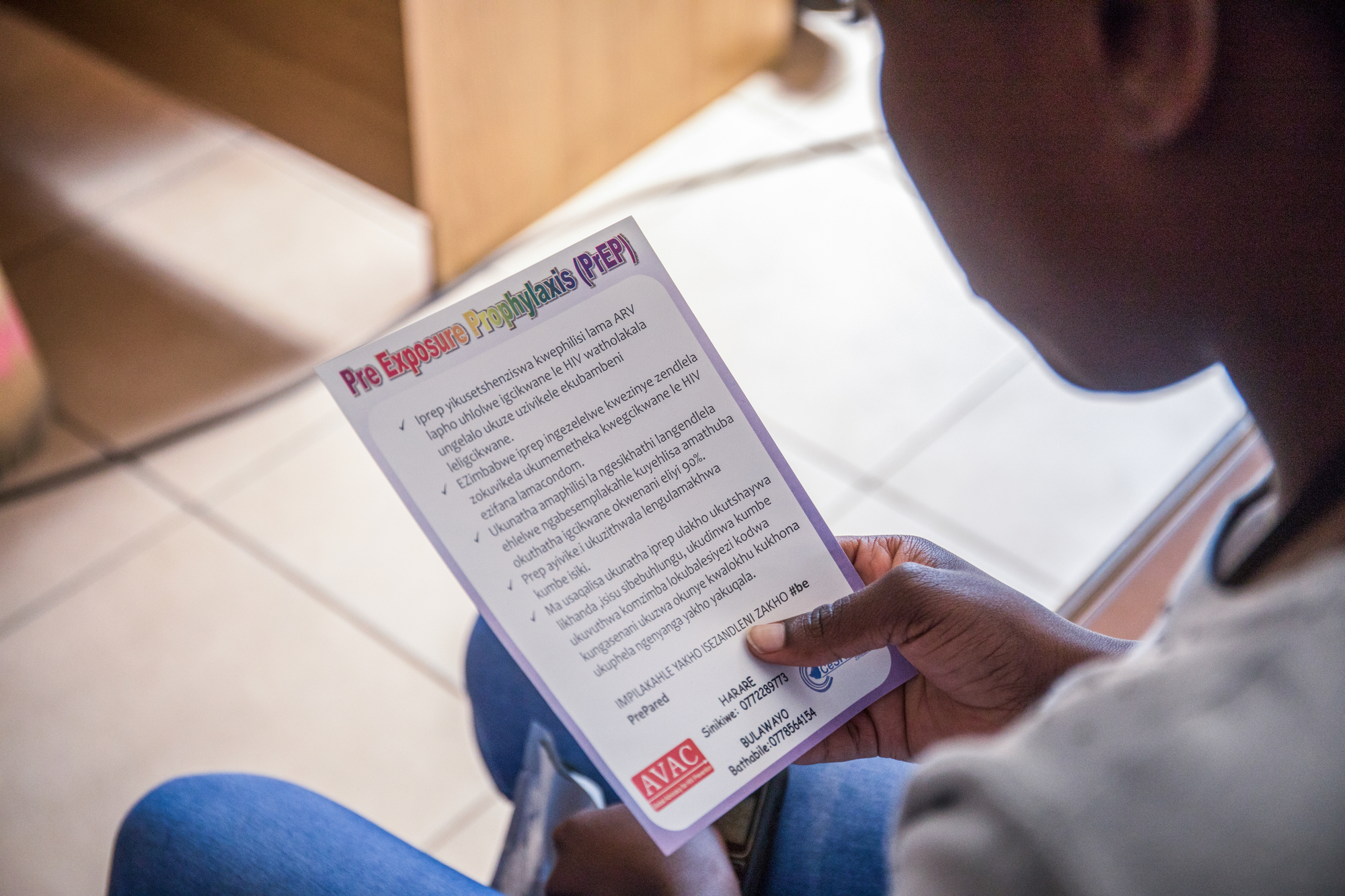
New forms of HIV prevention
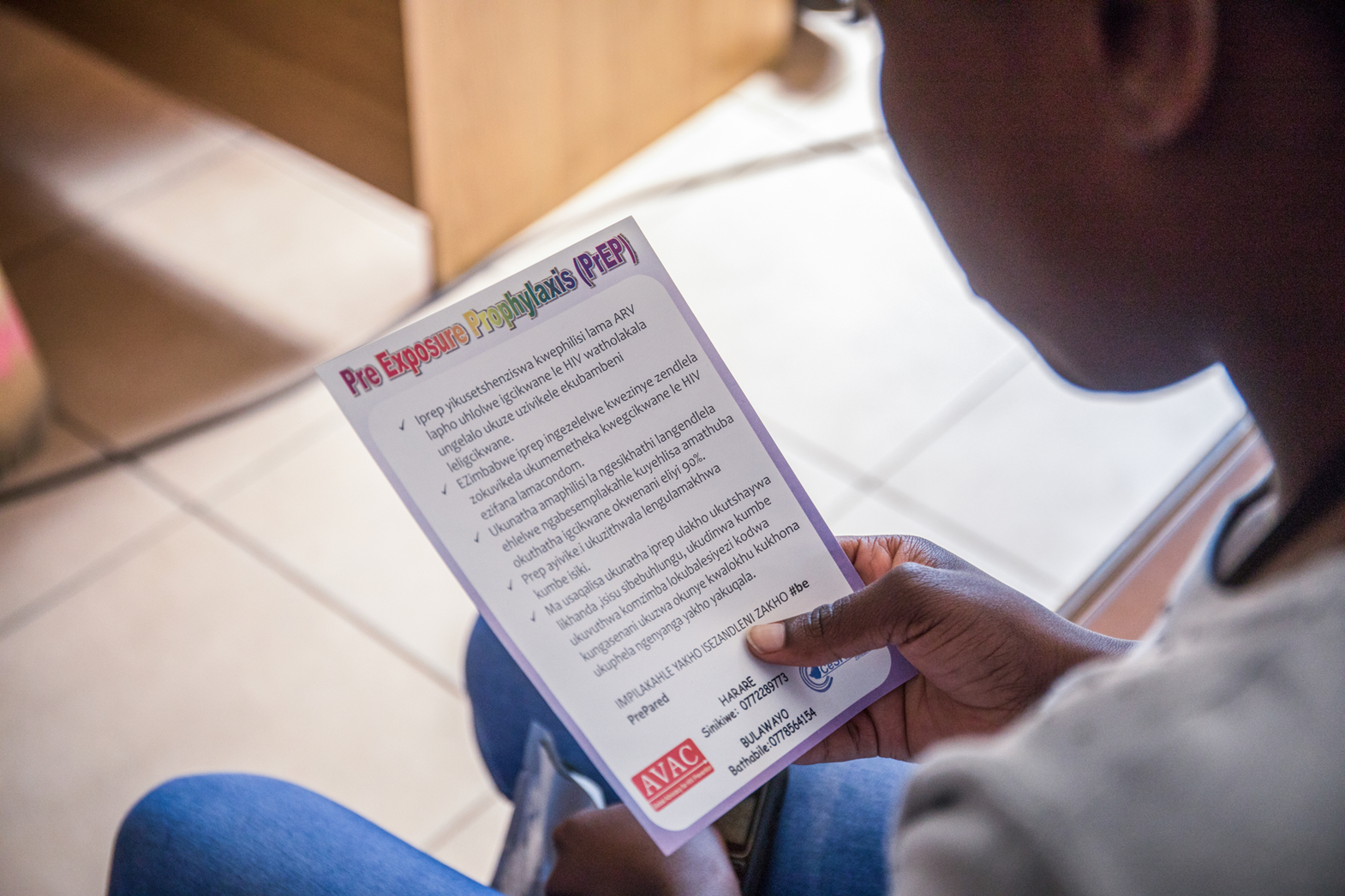
Investments in R&D have yielded new options for HIV prevention and better and more efficient treatment and care delivery strategies. These include long-acting injectables such as cabotegravir (CAB-LA), a type of pre-exposure prophylaxis (PrEP) that can help address some of the unique risks faced by young women and adolescent girls, including stigma associated with taking daily oral forms of PrEP.
CAB-LA is more effective than oral PrEP and has many other characteristics that may appeal to users.
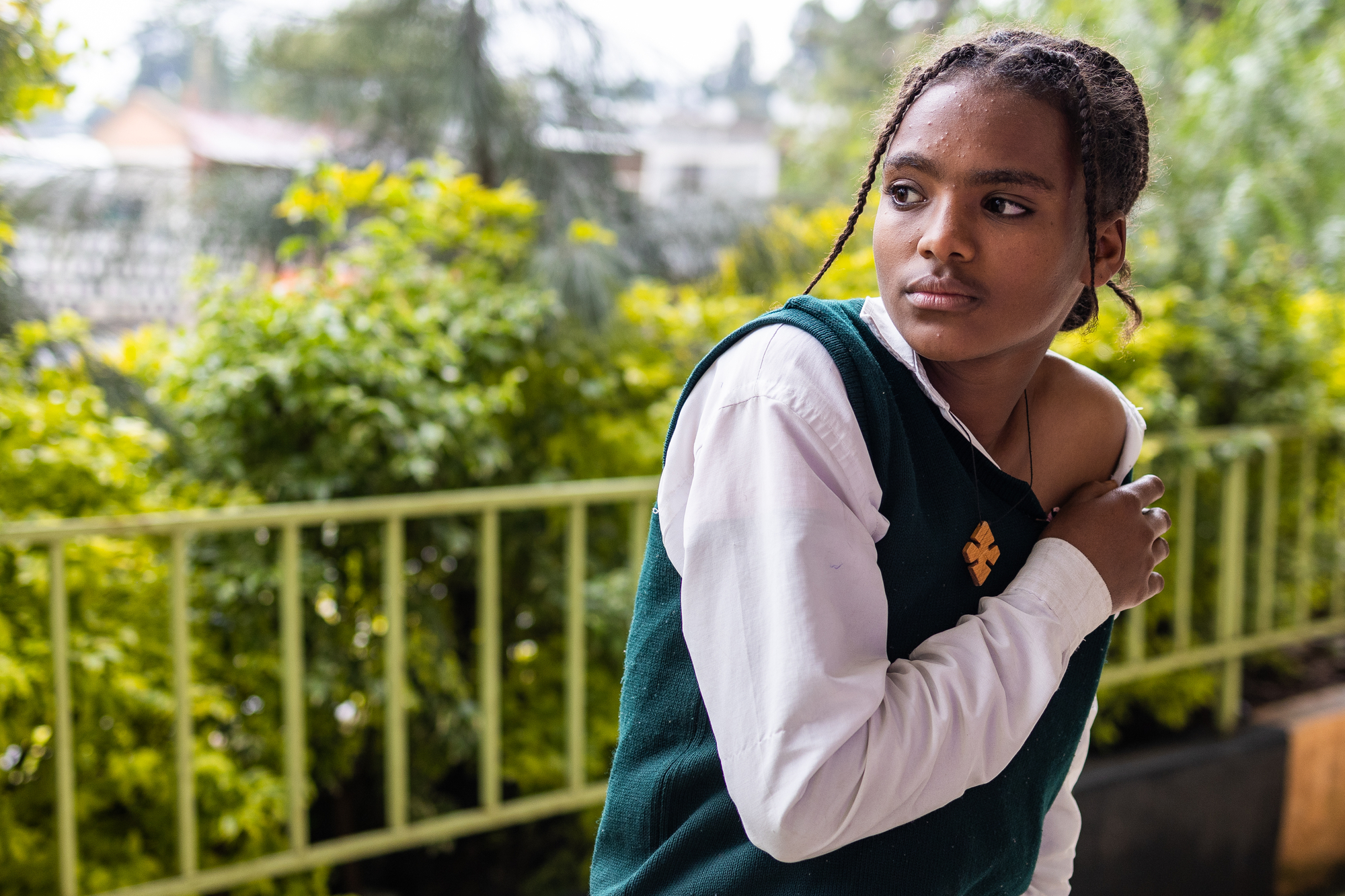
A one-and-done vaccine for HPV
Deaths from preventable diseases are among the starkest forms of inequity. About 90% of women who die from cervical cancer—one of the most common cancers among women—live in low- and middle-income countries. An exciting recent development could go a long way toward addressing this longstanding crisis.
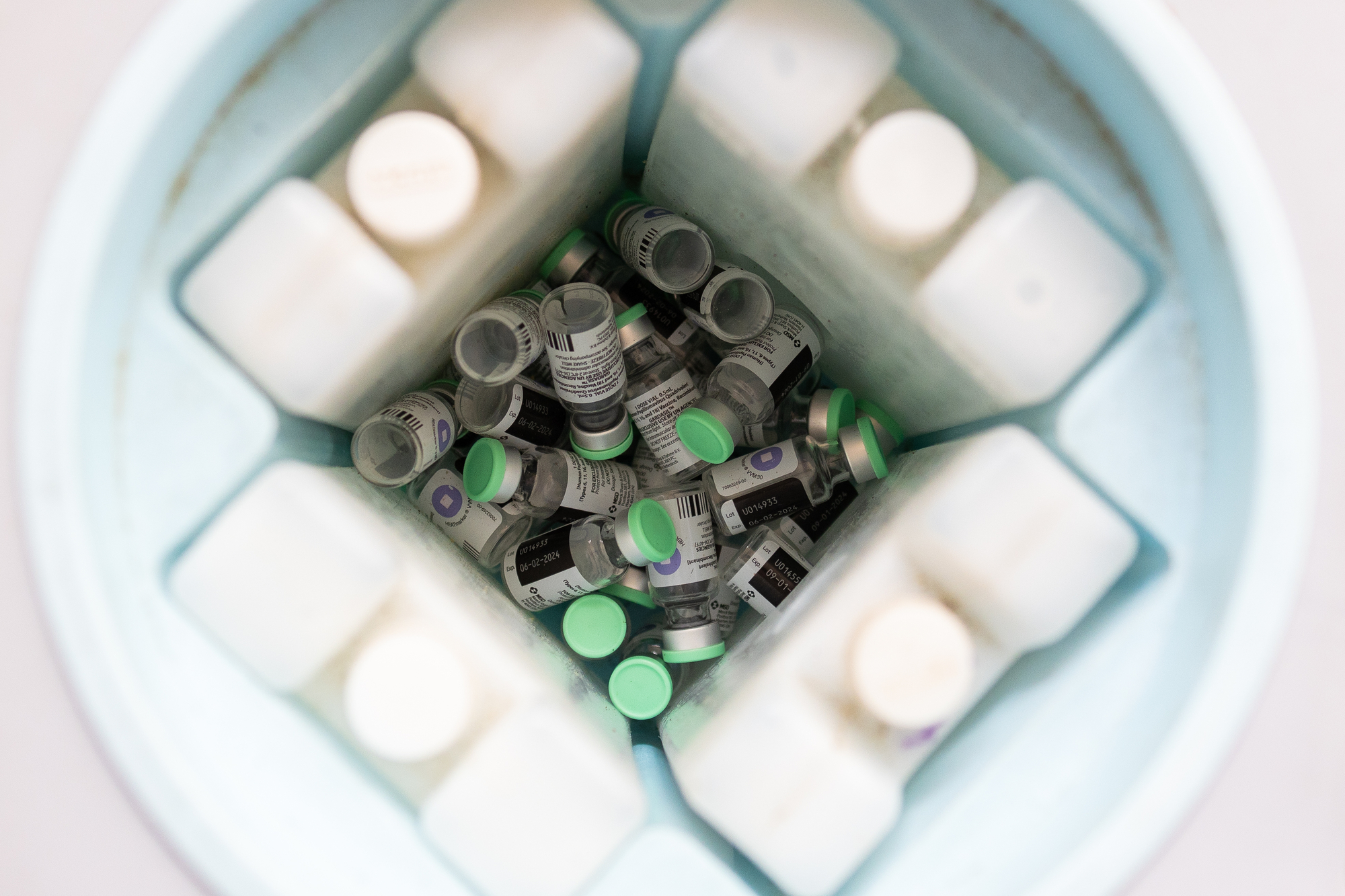
New research has found that one dose of the vaccine for HPV—the virus that causes cervical cancer—is just as effective as a two-dose regimen. This new single-dose guidance can help make these lifesaving vaccines more available and accessible to women and girls everywhere.
The Ingrid Hope Foundation works to help countries bolster their health systems by empowering female health workers, ensuring that supplies are consistently available, bringing quality care closer to home, and modernizing contraceptive options to better meet the needs and preferences of women and girls.
Women should be trusted to make informed decisions about their own health—free from discrimination, bias, or coercion—regardless of who they are or where they live.
Discover progress in women’s health
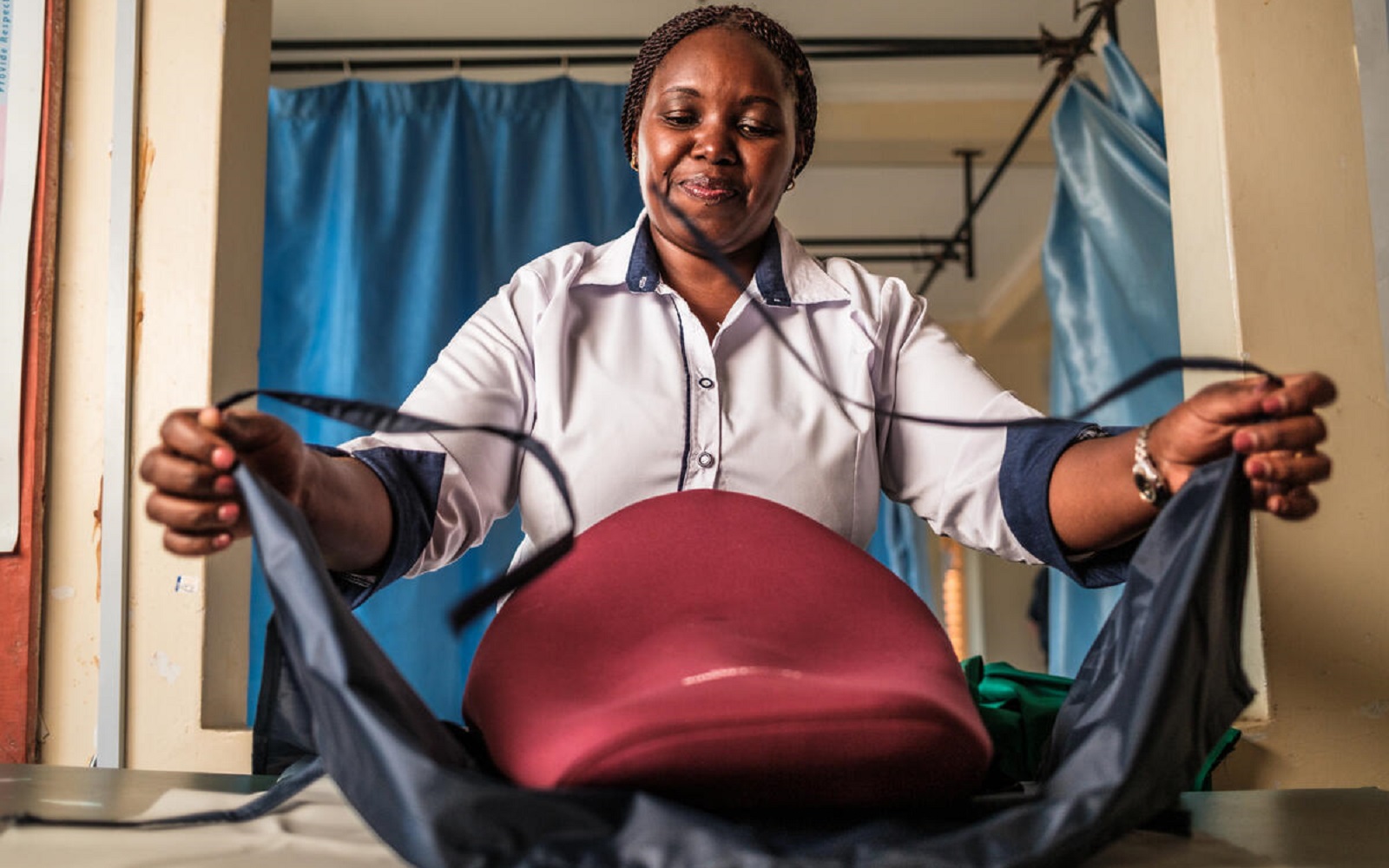
This simple tool is helping prevent maternal deaths worldwide
Discover how Kenya’s E-MOTIVE protocol and a low-cost blood-loss drape reduces severe postpartum bleeding by 60%, saving thousands of mothers each year.
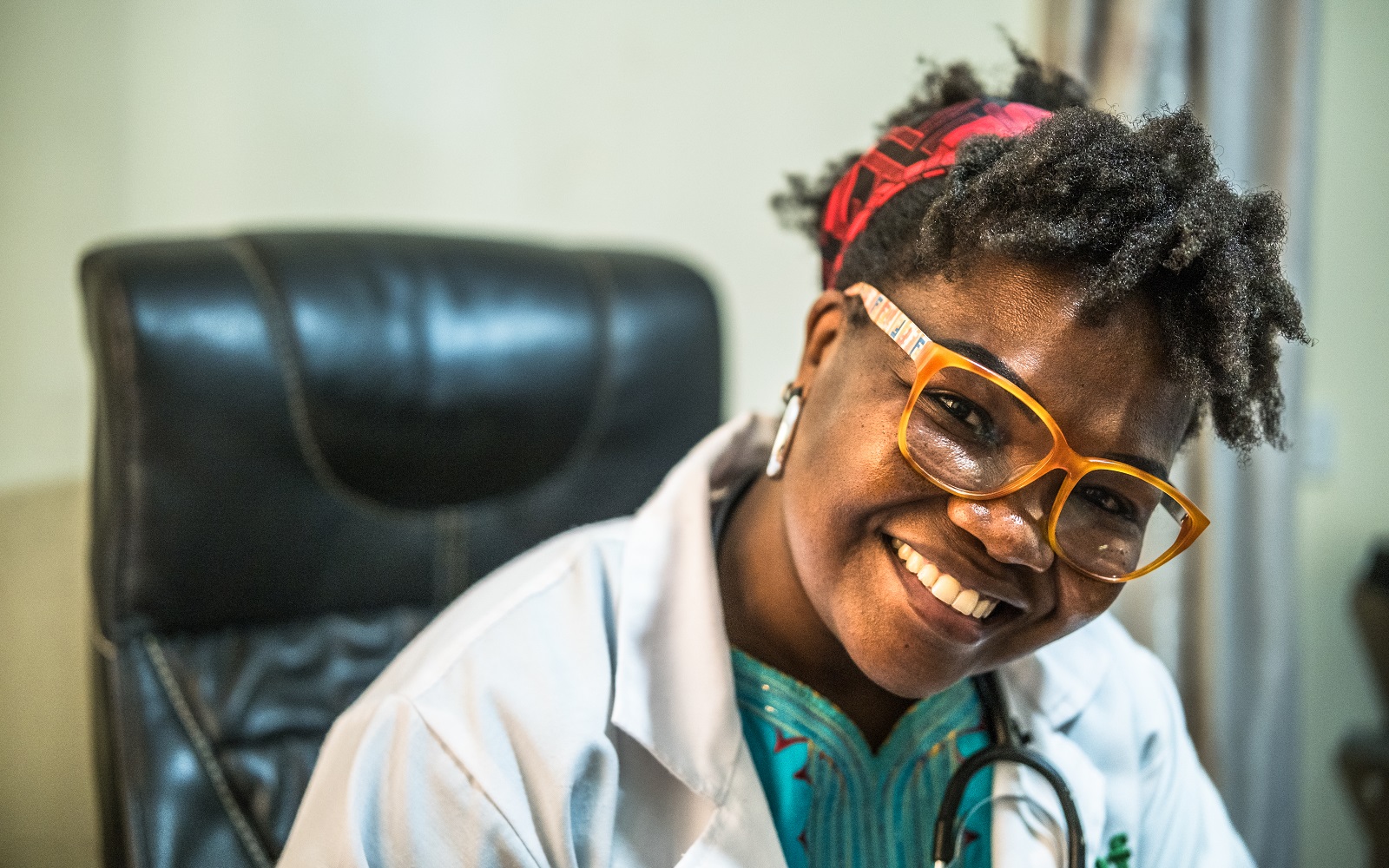
A doctor at the intersection of women’s health and economic power
Dr. Stellah Bosire champions women’s economic empowerment and health equity. Learn how her work is transforming lives in Kenya and beyond.
Could this be a transformative year for women’s health?
Four reasons the world is closer than ever to closing the women’s health gap—from new tools in obstetric care to vaccines and diagnostics that can scale.
Get the Optimist newsletter
Join readers who see the world differently. Subscribe for hopeful stories about the people and partnerships improving lives around the world — every other week.
By submitting your email, you agree to the Ingrid Hope Foundation’s Privacy & Cookies Notice.