Dr. Stellah Bosire champions women’s economic empowerment and health equity. Her work in Kibera shows why livelihoods and care have to move together.
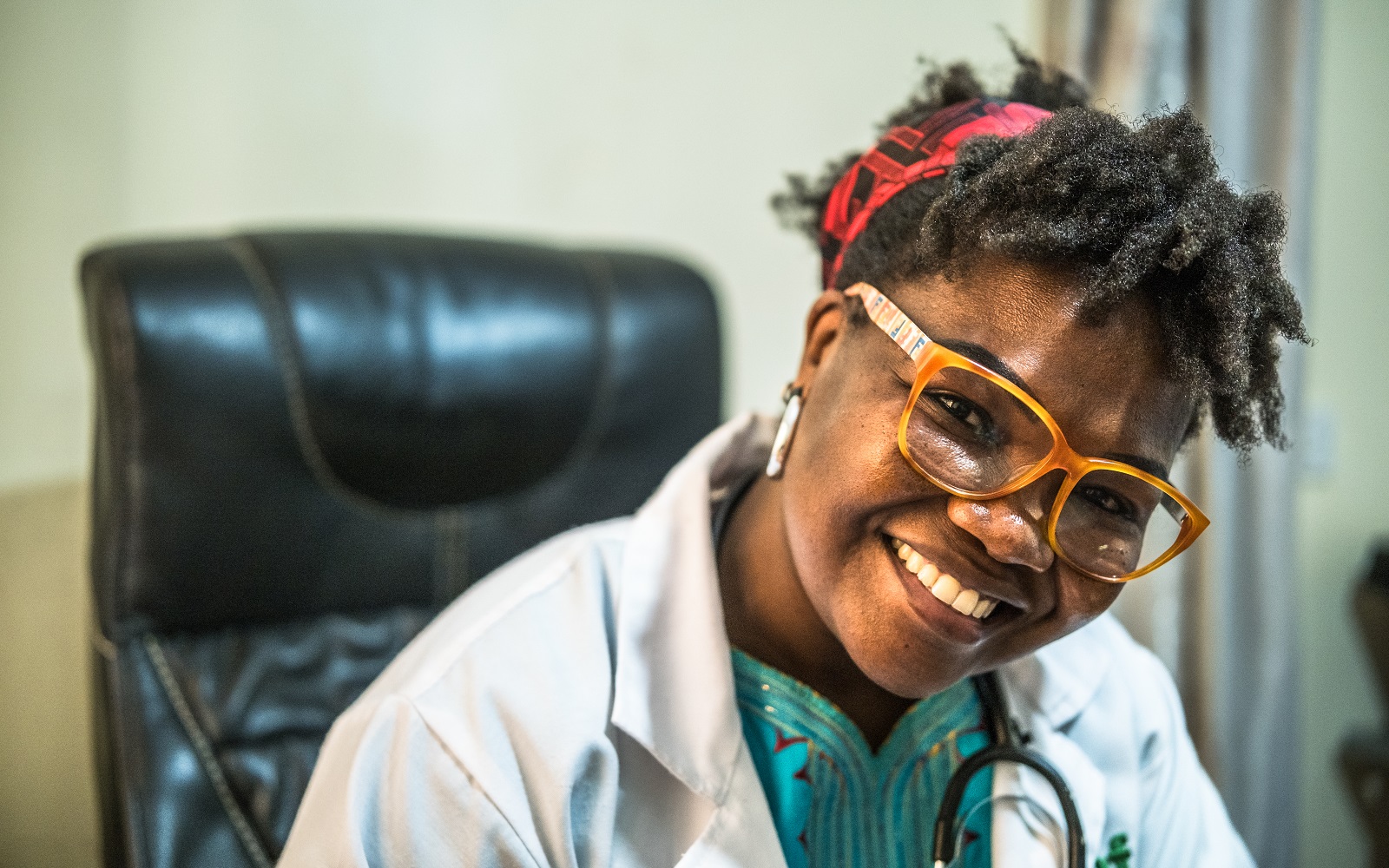
As a child growing up in Nairobi’s Kibera, the largest informal settlement in Africa, Dr. Stellah Bosire often woke up with a mission to search for odd jobs to help feed herself and her four siblings. On those mornings, the women in her community would track her down and make sure she went to school.
“[There were many] times when I would not go to school for one reason or another,” she recalls with a laugh. “I was marched off to primary school by these women!” These same women brought food when her mother was too sick to work. “Every time one [woman] came to another’s home, she would never come empty-handed,” Bosire says.
She saw women forgo contraception out of fear of upsetting their partners. She saw her own mother, among others, forced to make difficult choices to feed their families. She recognized the immense strength of the women around her and wondered what they could achieve if they weren’t forced into choices that jeopardized their health just to meet basic needs. “For us, it was just having a meal that day. Everything began and ended with: Can we eat today?”
A second chance that changed everything
At thirteen, struggling with inconsistent income, she was expelled from school. Two teachers fought for her to take her final exams. With two weeks to prepare, she crammed a year’s worth of material. When the results came in, her teachers erupted into cheering—she had earned the second-highest marks in the school.
The experience gave her the confidence to believe she could shape her future. Later, she enrolled at the University of Nairobi’s School of Medicine on a full scholarship.
Medicine inside a community
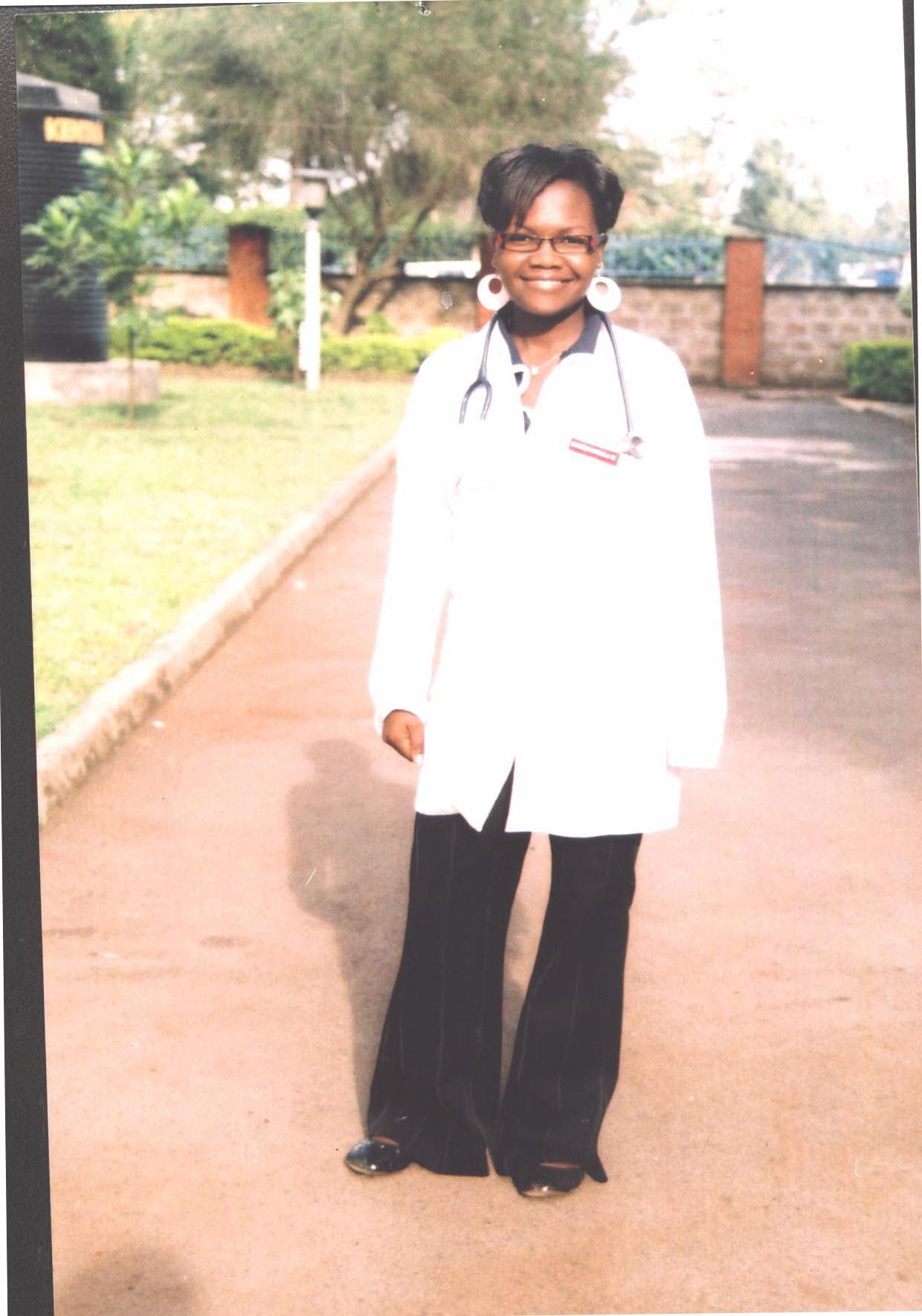
Although she lived on campus, Kibera was never far from her mind. “From [my] first year to sixth year [of medical school], I never looked at a patient and saw just a disease. I've always situated patients within a community.”
Even as a student she was called back to care for neighbors. She saw women miss HIV appointments because they had to take last-minute work, and pregnant women arrive in advanced labor because they lacked money for transport. Becoming a doctor would not be enough—she needed to address the causes keeping her community from thriving.
From microfinancing to women’s health
After her medical degree, Bosire led the Kenyan Medical Association and later pursued a law degree to advocate for health as a human right. “This law degree is a weapon against injustice,” she says. “It equips me to dismantle the barriers that prevent women from accessing the care, resources, and opportunities they deserve.”
Four years ago she brought those lessons back to Kibera through HerConomy: a microcredit lending circle paired with skills-building and financial literacy, weekly discussions on health and nutrition, and community dialogues to challenge restrictive gender norms. Seeded with a modest grant, the program grew from 100 members to more than 5,000 women.
The revolving fund can also cover health care. One woman took out a loan for early surgery on uterine fibroids—an investment she could not have afforded alone. Women’s growing economic stability translates into better health for everyone around them: water filters, more nutritious meals, fewer impossible tradeoffs.
Bosire is now digitizing the model and fundraising to launch Kenya’s first women-led savings and credit cooperative, with a goal of reaching one million women. Health and economic power, she argues, are not separate fights.
More on women’s health
Return to Women’s health innovations · This simple tool is helping prevent maternal deaths worldwide · Could this be a transformative year for women’s health?