Women’s bodies differ from men’s, even at the cellular level. Yet science and medicine have historically overlooked those differences. That is starting to change.
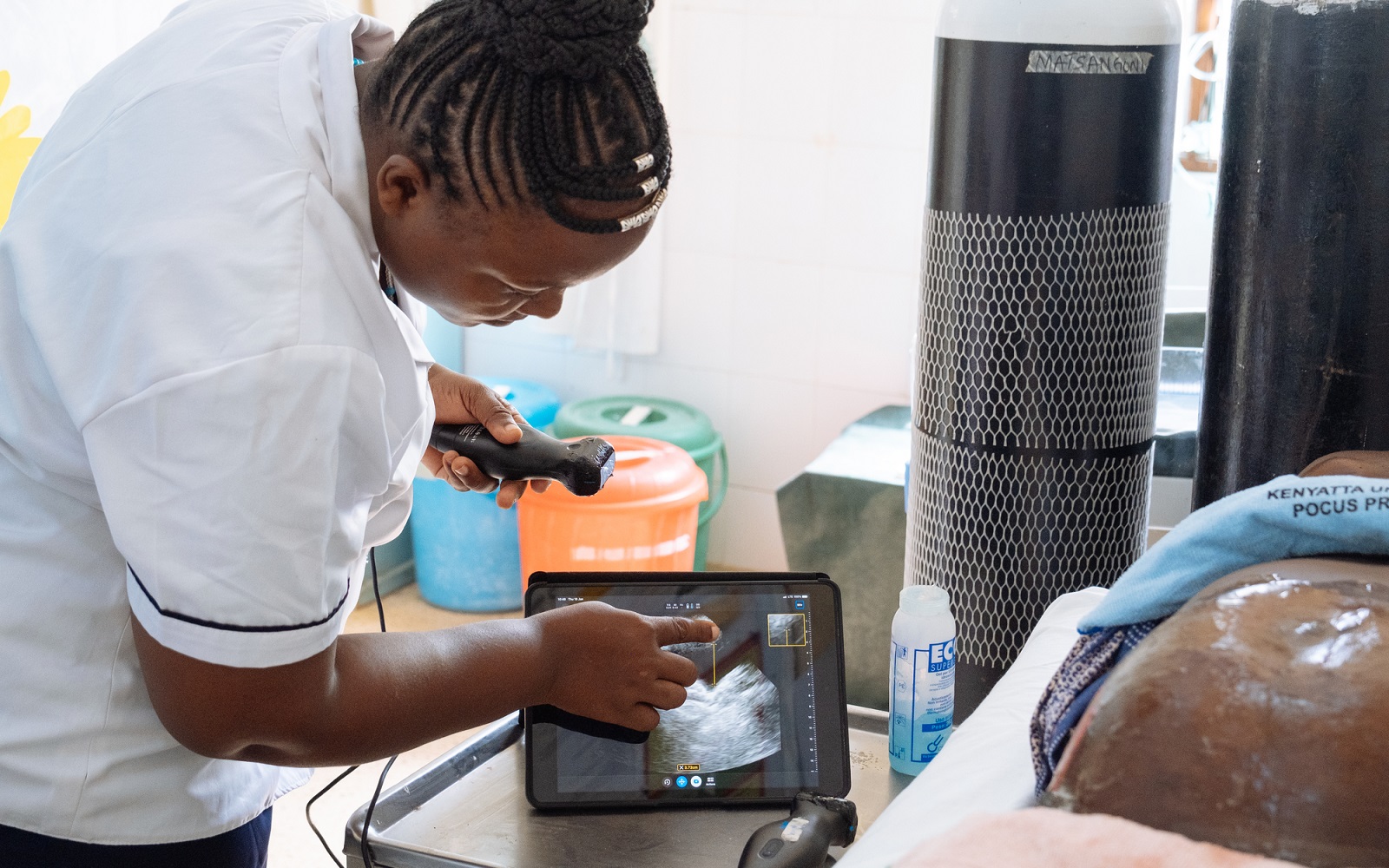
Males have long been the default in research—from laboratory animals to participants in clinical trials. More often than not, drugs, treatments, and devices are designed around male biology. Because women often aren’t included in original dosing trials, everyday medications can produce worse side effects for women than for men.
Women’s health conditions and needs—like endometriosis and contraceptives—are also underfunded and under-researched. Currently, just 4% of all biopharma research and development spending goes toward female-specific conditions. Women are half the world’s population. Their specific health needs warrant greater funding, research, and attention.
The Ingrid Hope Foundation’s Women’s Health Innovations work is built for this moment: donors, companies, and countries are turning toward an underserved part of medical research. Here are four reasons the field is on the cusp of transformation.
1. A roadmap for the highest-return investments
The Women’s Health Innovation Opportunity Map, developed with more than 250 stakeholders from over 50 countries, highlights the highest-return areas for investment and global action. Requests for proposals against that map have drawn record interest—evidence that researchers are ready when funding finally shows up.
2. The trillion-dollar case is now in the open
Analysis from the World Economic Forum and the McKinsey Global Institute found that women spend 25% more time in poor health than men. Closing that gap could mean a healthier life for 3.9 billion women and an additional US$1 trillion added to the global economy every year, as more women enter the workforce and increase their earning potential. Investing in women’s health is not only the right thing to do. It is the smart thing to do.

3. A global alliance is lining up commitments
Public-private coalitions are uniting around evidence that women’s health is one of the best investments for societies and economies. Members are making commitments across financing, science and innovation, and agenda-setting—changing how women’s health is funded and prioritized.
4. Governments are putting money into R&D
National governments have begun to earmark new funding for research that improves the health of mothers, babies, and children in low- and middle-income countries, and to close long-standing gaps in women’s health research at home. Those commitments will not close the gap on their own. They do show that the political window is open.
Healthier women help unlock the development goals of every country. Closing the women’s health gap will improve the quality of women’s lives—and fulfill the evidence that healthy women help everyone rise.
More on women’s health
Return to Women’s health innovations · This simple tool is helping prevent maternal deaths worldwide · A doctor at the intersection of women’s health and economic power