Agricultural Development

Our goal

To support farmers and governments in sub-Saharan Africa and South Asia that are seeking a sustainable, inclusive agricultural transformation—one that creates economic opportunity, respects limits on natural resources, and gives everyone equal access to affordable, nutritious food.

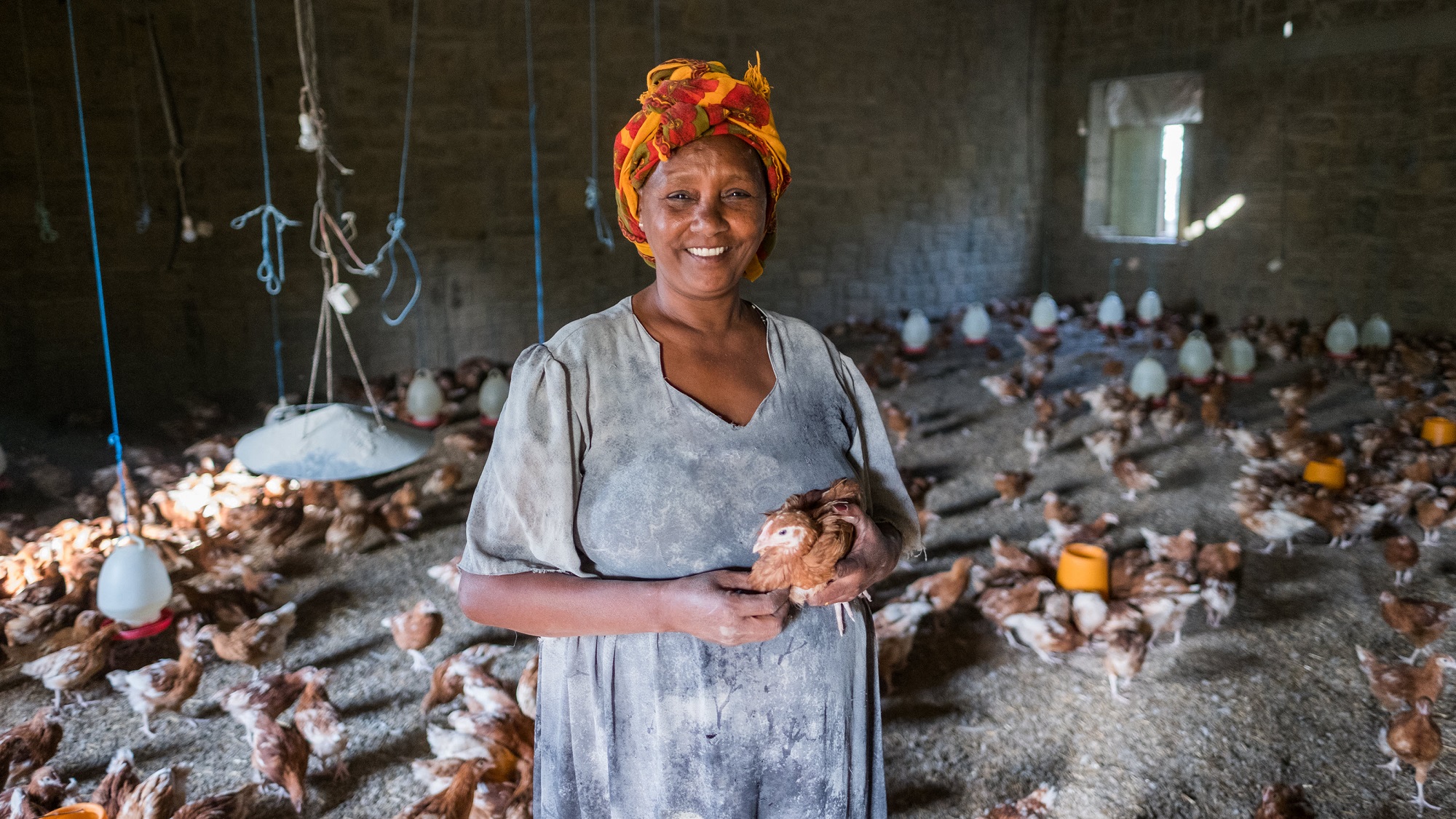
A poultry keeper holds a chick inside a poultry house surrounded by chickens.

At a glance

  • Agriculture is the main source of income for several hundred million people around the world who struggle with poverty and hunger, most of whom are connected to smallholder farms—plots of land roughly the size of a soccer pitch or American football field.
  • We invest in agriculture across sub-Saharan Africa and South Asia because research shows that growth in the agricultural sector is the most effective way to reduce poverty and hunger.
  • Smallholder farmers in these regions, who collectively supply most of the population’s food, are incredibly resourceful in the face of challenges but need new options for sustainably producing and selling a wide array of crop and livestock products, especially as climate change rapidly intensifies the stresses they face.
  • Evidence shows that with the right kinds of support, smallholder farmers in sub-Saharan Africa and South Asia can tap the power of food production to create a better life for their families and improve their communities while providing local consumers with reliable access to healthy, affordable food.
  • Our investments in agriculture play an important role in the foundation’s broader effort to empower women and girls with economic opportunities.

Our strategy

We support inclusive agricultural development with three main types of investments:

1. Tools and technologies

We invest in tools and technologies that target the specific needs of farmers in sub-Saharan Africa and South Asia—such as climate-smart crop varieties, livestock vaccines, and digital soil maps—delivered as global public goods that are affordable and accessible to all who need them.

2. Innovative support structures

We invest in developing and scaling up innovative support structures for smallholder food producers, including community self-help groups in rural India and farmer cooperatives and village-based advisors in West Africa.

3. Public- and private-sector efforts

We invest in more effective systems for delivering products and services to smallholder farmers—funding government agricultural strategies with clear milestones, and partnering with socially conscious financial and livestock service providers.

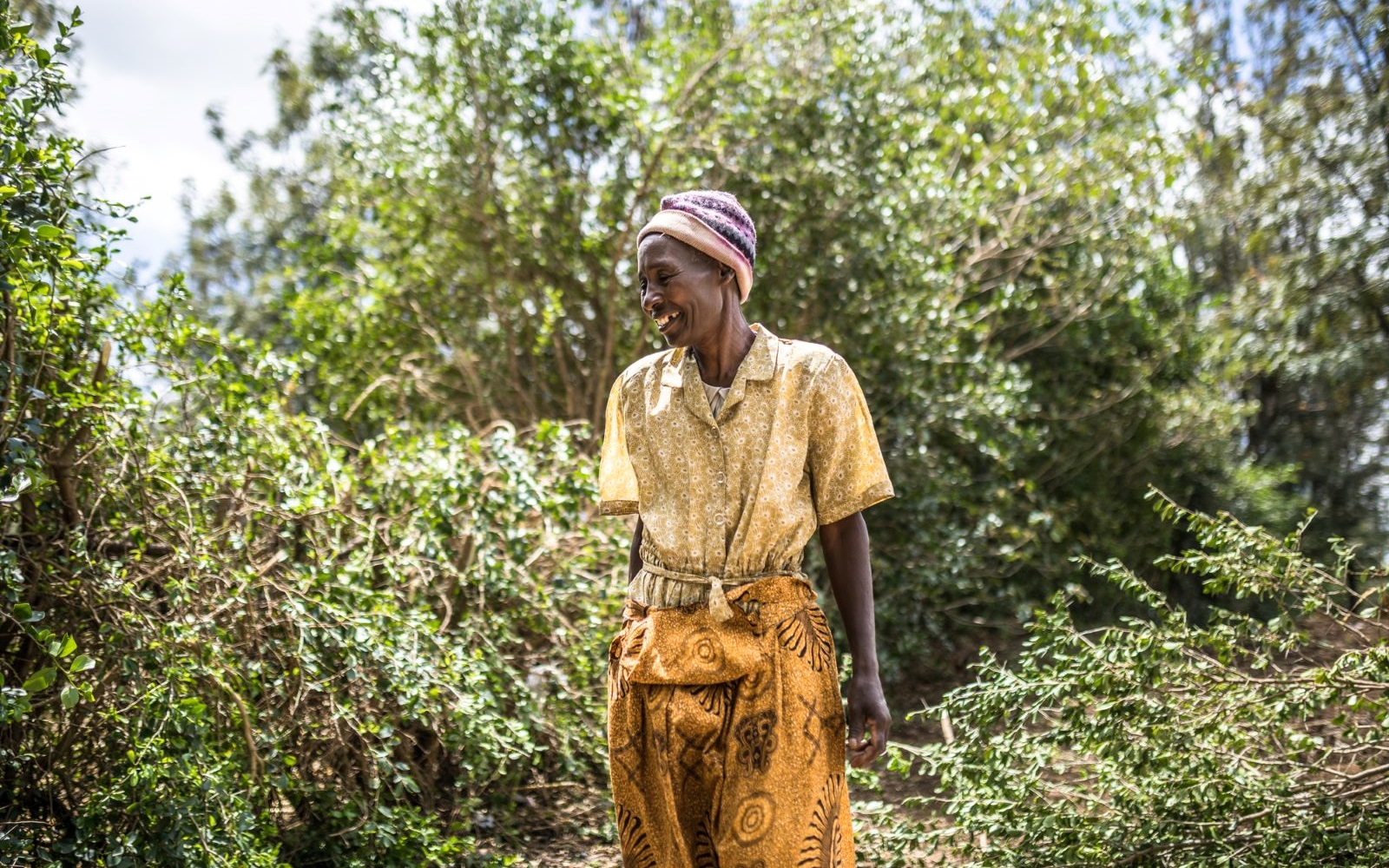
Mary Wairimu, a local farmer and poultry keeper in Naivasha, Kenya

Climate adaptation: Ensuring resilience in agriculture

Learn more

Latest grants

See more →

Get the Optimist newsletter

Join readers who see the world differently. Subscribe for hopeful stories about the people and partnerships improving lives around the world — every other week.

Areas of focus

Our agricultural development work is organized around nine key areas.

We look to governments to take the lead in developing strategies and priorities, and our investments seek to strengthen their capacity to implement their action plans. For example, we help them collect evidence to support agricultural programs and policies that have proven to be particularly effective for smallholder farmers in Africa.

In the private sector, we partner with local small and medium-sized businesses to scale up innovative ways to serve the needs of smallholder farmers. We also collaborate with larger firms on new ways of incorporating smallholder farmers into their business models.

We are currently working in India to strengthen government capacity in the states of Bihar, Odisha, and Uttar Pradesh to implement agricultural development programs that serve the needs of smallholder producers. This includes helping government officials generate evidence to guide policy development, resource allocation, and strategies that expand market opportunities for smallholder producers.

A key goal of our investments is to accelerate breeding work that can provide new crop varieties with traits aligned with local growing conditions and farmer and consumer preferences. Farmers in many countries can wait 20 to 30 years before a new variety becomes available. Ideally, that process should take five to 10 years—especially as farmers seek to adapt to climate change.

We fund crop science programs that work in close consultation with local farmers so researchers can pursue targeted innovations that are likely to see widespread adoption. A key priority is providing farmers with many options for safely and sustainably adapting to droughts, flooding, high temperatures, and crop pests and diseases.

We also invest in bold efforts that could sustainably deliver dramatic improvements in agricultural production—including research with the potential to boost crop yields by improving plant photosynthesis.

Building sustainable and resilient food systems requires a holistic approach that supports farmers, processors, traders, food companies, and retailers. Our investments help farmers produce a broad range of nutritious crops as well as milk, eggs, and other livestock products rich in protein and essential micronutrients.

Our priorities include aligning donor resources with the roadmap for achieving the United Nations Sustainable Development Goals—especially SDG 2 (ending hunger) and SDG 2.3 (doubling smallholder productivity and incomes)—and directing resources toward global public goods and national agricultural development plans.

For hundreds of millions of families, livestock are the most valuable household asset and an irreplaceable source of a nutritious diet, especially for children. Our work focuses on animal health, animal production, and animal systems—seeking more effective engagement by technical entities, more progressive national policies, and a more vibrant private sector.

Digital services can provide detailed insights into local soil conditions and crop performance, expand access to financial services and market opportunities, and support farm planning and field operations. Our goal is to ensure that over the next 10 years, at least half of the smallholder farmers in our focus geographies have access to and are benefiting from digitally enabled services.

Around the world, women play important roles in agriculture, but often have consistently lower productivity than men due to systemic barriers affecting control of productive resources and access to information, credit, and markets. Supporting women farmers magnifies our contributions to productivity, income, and nutrition outcomes for vulnerable households.

Why focus on agricultural development?

Our foundation is driven by the belief that all lives have equal value and that everyone has a right to live a healthy, productive life.

We invest in agriculture because around the world, agriculture has a strong track record of providing an effective pathway out of poverty—and giving poor people an opportunity to live a healthy, productive life.
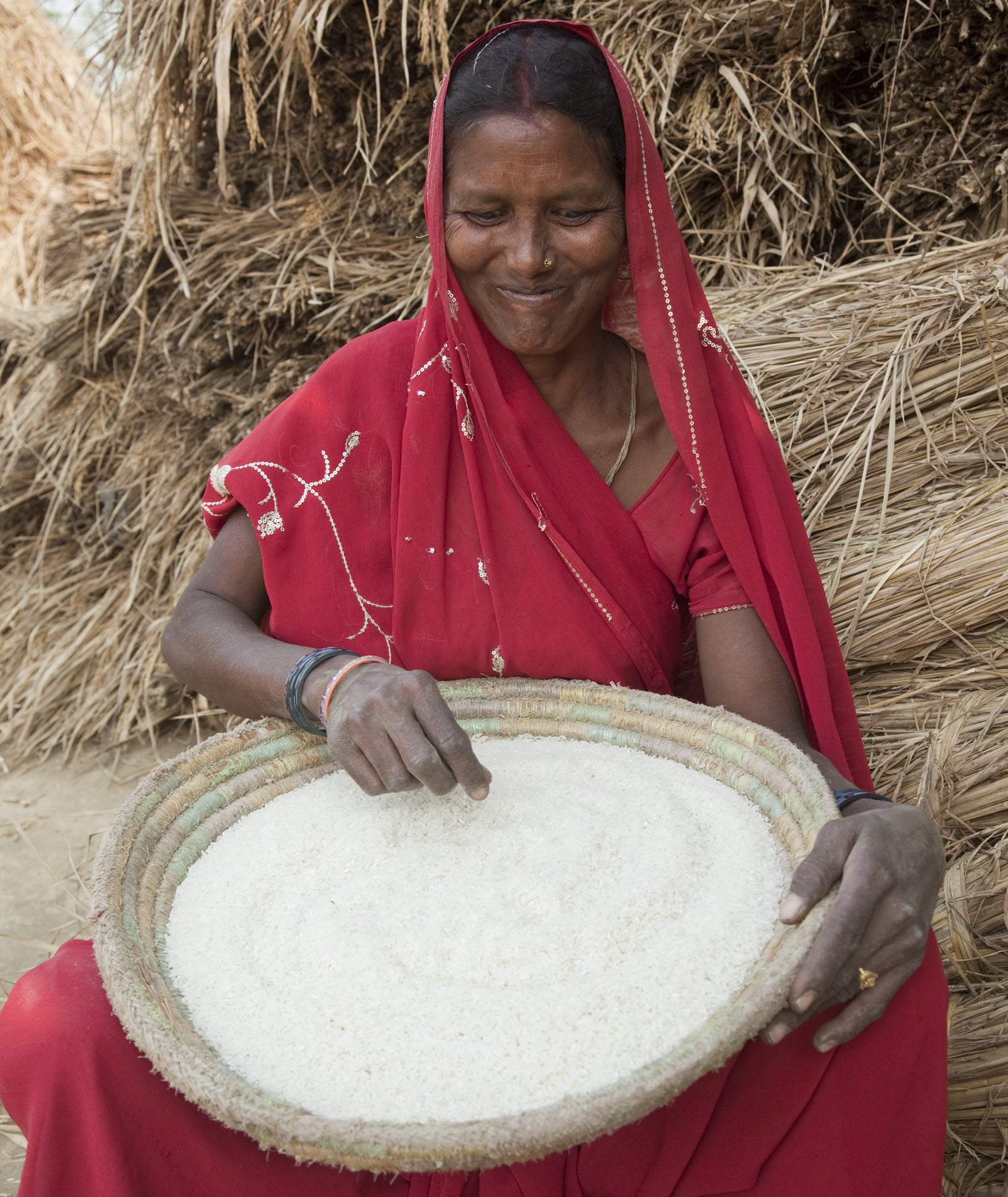
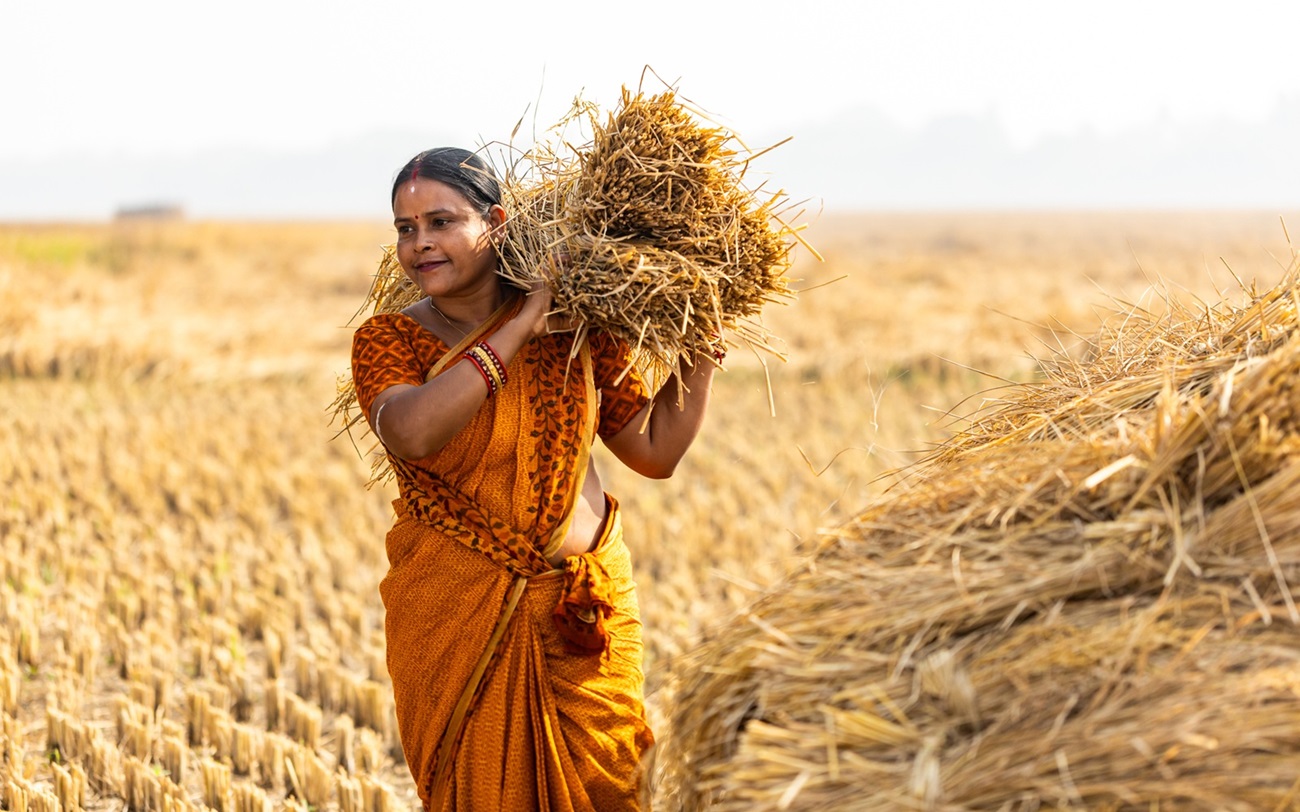
A woman smiles while holding a woven basket of harvested grain.

To succeed, smallholder farmers in sub-Saharan Africa and South Asia don’t need their farms to get big, but they do need to become more productive, using sustainable approaches that respect precious natural resources and the need to preserve biodiversity and fragile ecosystems. Climate change is steadily adding new challenges.

But the potential for far-reaching progress is substantial. Because agriculture is so pervasive, especially in poor rural areas, growth in this sector is more than twice as effective at reducing poverty as growth in any other sector. We support smallholder farmers in sub-Saharan Africa and South Asia because we believe doing so can help them create a better life for their families and benefit their communities and countries.
Our partners

We do our work in collaboration with our grantees and other partners, who join with us in pushing for new solutions and harnessing the transformative power of science and technology.

AGRA

AGRA is a farmer-centered institution led by Africans with roots in farming communities across the continent. It works with a large network of partners to deliver proven solutions to smallholder farmers and local agricultural enterprises. AGRA’s goal is to transform agriculture in Africa from a struggle to survive to businesses that thrive.

Central and West African Virus Epidemiology (WAVE)

WAVE is an international research initiative to fight root and tuber crop diseases that threaten the livelihoods of Africa’s smallholder farmers.

CGIAR

CGIAR is a global research partnership dedicated to reducing poverty, enhancing food and nutrition security, and improving natural resources and ecosystem services. Its 15 research centers work in close collaboration with hundreds of partners, including national and regional research institutes, civil society organizations, academia, development organizations, and the private sector.

Ethiopian Agricultural Transformation Agency (ATA)

The ATA is a strategy- and delivery-oriented government agency that works to accelerate the growth and transformation of Ethiopia’s agricultural sector. Its sole focus is on improving the livelihoods of smallholder farmers across the country.

FarmStack

FarmStack is an open-source platform that helps smallholder farmers and organizations in India and Ethiopia exchange data across the food and agriculture system.

SELEVER

SELEVER seeks better nutrition for women and children in Burkina Faso by strengthening women’s economic opportunities in poultry production.

Sidai

Sidai is a social enterprise that supplies quality livestock and crop inputs and training to smallholder farmers and pastoralists across Kenya.

Program resources

Investing in climate change adaptation and agricultural innovation is essential for our future

This paper highlights the growing negative impacts of climate change on lives and livelihoods, and calls for urgent action to increase investment in climate adaptation, particularly climate-smart agriculture.

Read more

How we support agricultural adaptation to climate change

Adaptation to climate change is critical for the hundreds of millions of people who depend on agriculture to support their families, particularly in sub-Saharan Africa and South Asia.

Read more