Digital identity systems
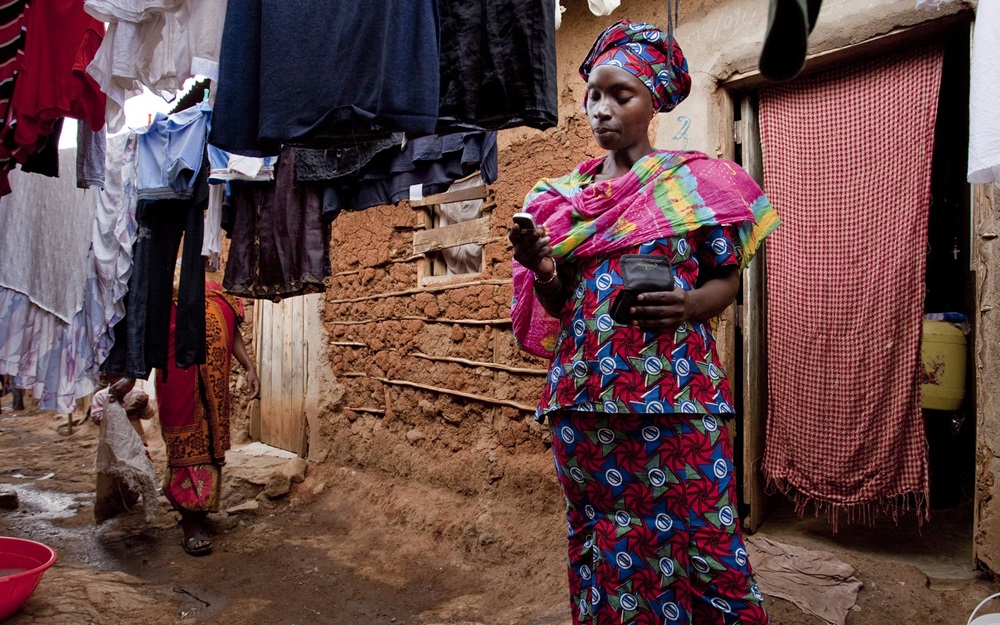
Enable the creation, management, and authentication of unique identities for use in digital scenarios.
Our goal
To encourage and equip low- and middle-income countries to adopt safe and inclusive digital public infrastructure to advance the global Sustainable Development Goals.
The foundation is focusing its initial DPI efforts on supporting countries in building three of the core elements of DPI:
Enable the creation, management, and authentication of unique identities for use in digital scenarios.
Enable governments, businesses, and individuals to instantly send and receive money, regardless of who hosts the underlying accounts. This work is overseen by our Inclusive Financial Systems team.
Enable individuals, organizations, and governments to safely share digital information.
Consent, credentials, registries, and digital signatures—so countries can build open, standardized, and interoperable systems that enable inclusive economic participation and more effective public services.

“Just as we built roads, highways, and airports in the 20th century, we must now build a digital infrastructure that is open, accessible, and empowers everyone.”Ingrid HansenFounder & Executive Director
Join readers who see the world differently. Subscribe for hopeful stories about the people and partnerships improving lives around the world — every other week.
This site is protected by reCAPTCHA and the Google Privacy Policy and Terms of Service apply. By submitting your email to subscribe, you agree to the Ingrid Hope Foundation’s Privacy & Cookies Notice.
Our foundation has been supporting more inclusive financial systems for nearly two decades, and we have seen how new technology can transform lives, provide a pathway out of poverty, and spur economic growth.
But digital financial inclusion is not happening quickly enough. Many people in low- and middle-income countries, especially women, are still being left behind.
Countries that allow a laissez-faire market approach to digital services risk becoming dominated by monopolies that charge high fees or having multiple systems that don’t interact. People, businesses, and the government itself will be exposed to risks that include fraud, cyberattacks, and illicit financial flows if well-governed, high-quality safeguards are not put in place.
And digital systems will only reinforce inequity if they aren’t designed to meet the needs of women and those with the least access to resources and opportunity. Many countries are eager to build safe and inclusive digital public infrastructure and unlock the full benefits of DPI before it is too late.
We do our work in collaboration with grantees and other partners, who join with us in taking risks, pushing for new solutions, and harnessing the transformative power of science and technology.
An organization that provides technical assistance to countries to help them establish instant and inclusive payment systems.
A resource mobilization platform that receives funds from multiple donors to support countries in building DPI.
A multi-stakeholder initiative to facilitate the discovery, development, use, and investment in digital public goods.
A provider of open-source software that lowers the cost of building, maintaining, and modifying inclusive instant payment systems to bring affordable, connected digital financial services to anyone with access to a mobile phone.
A provider of modular and open-source technology that enables countries to build and own their national identity systems.
Initiatives that provide technical assistance to countries and regions in adopting identification systems and government-to-people digital payments, respectively.
 Article
See how a partnership between Lagos Business School and local innovators is using digital finance to empower small business owners in Nigeria.
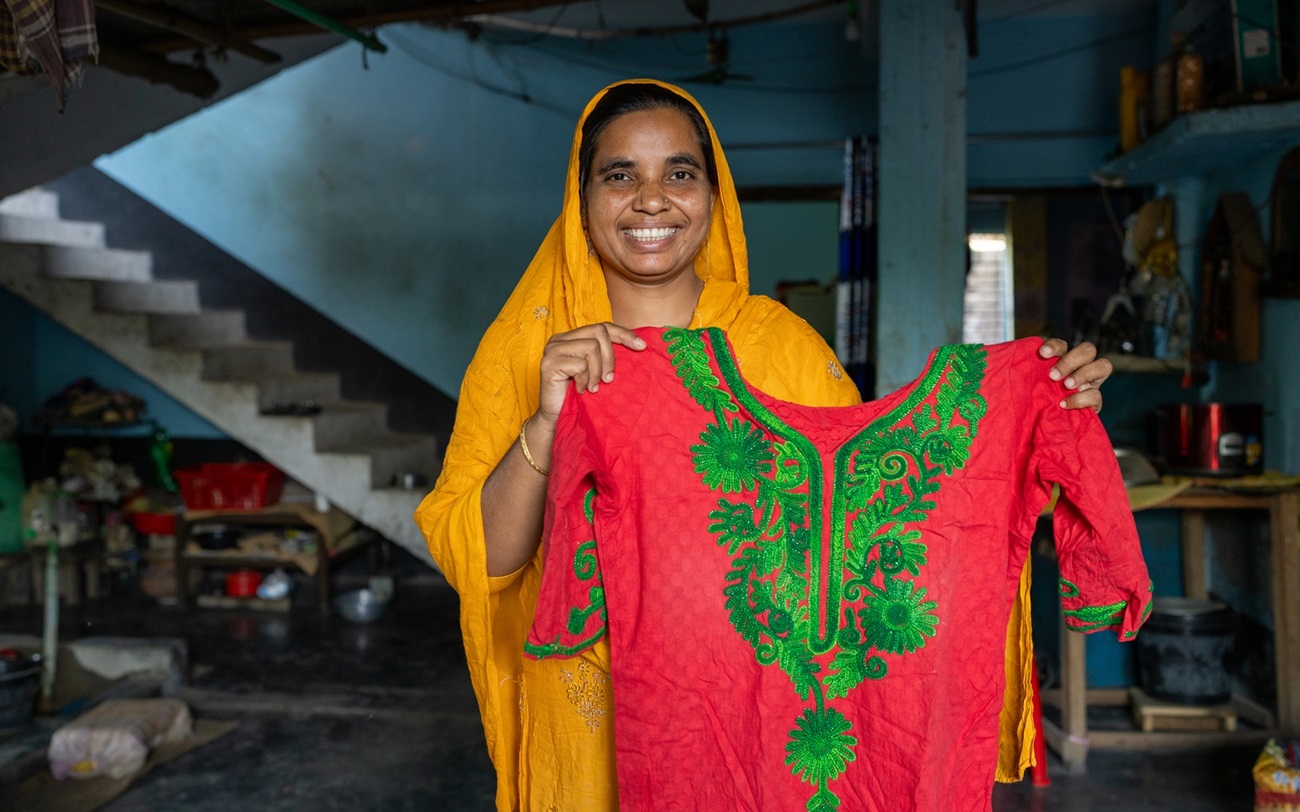 Feature Story
Including women in digital systems could add US$4.9 trillion to the global economy by 2030.
 Video
Video
Access to digital banking services from the doorstep allows women to take control of their finances.
 Video
Video
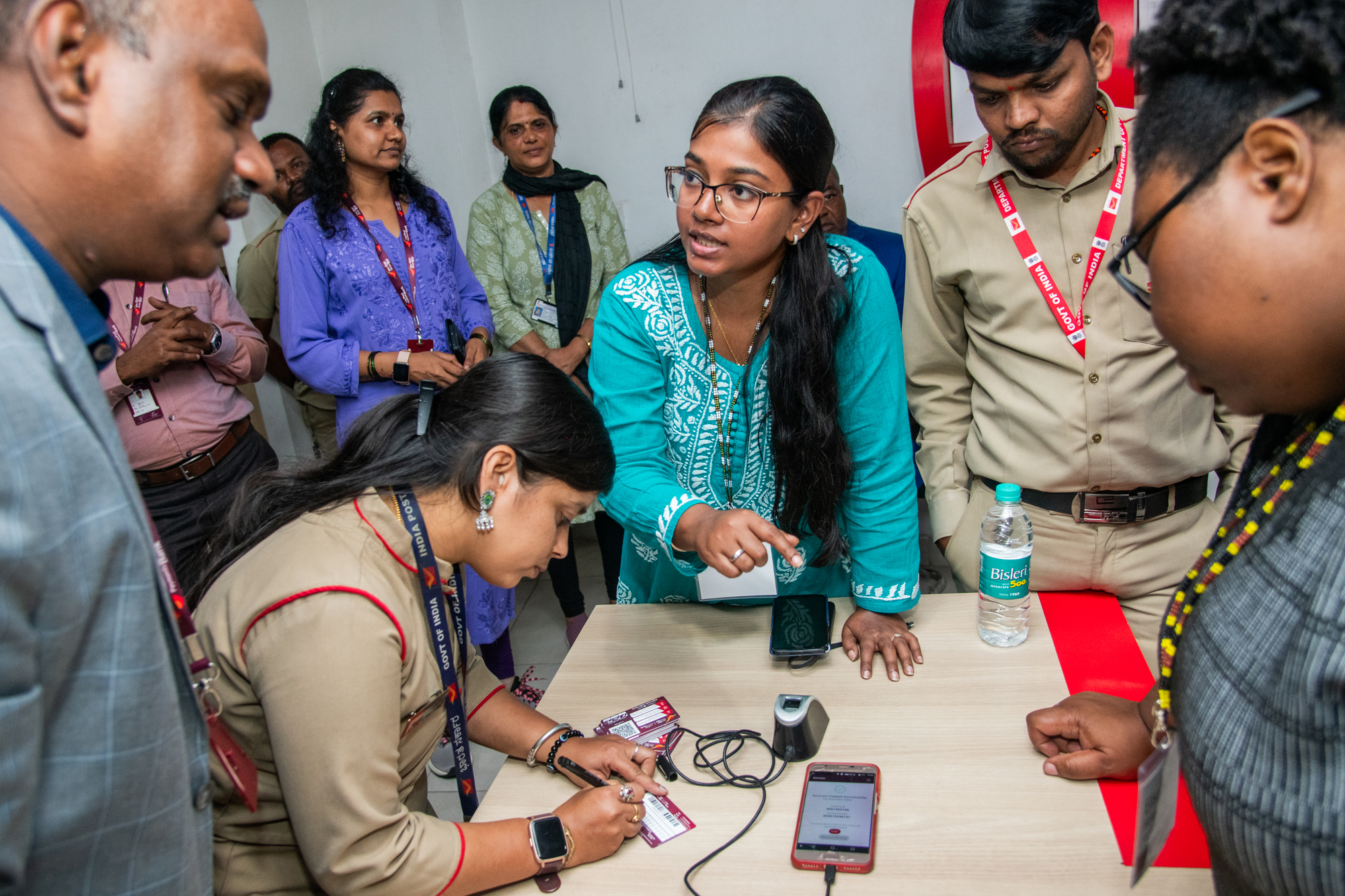
Ram Bhatari tells her story about receiving a pension with digital tools through India Post Payments Bank.