
Anthropic forms $2 million partnership with the Ingrid Hope Foundation
Anthropic is an AI safety and research company that's working to build reliable, interpretable, and steerable AI systems.
Our approach to AI
AI can accelerate progress toward a world where everyone, no matter where they are born, has the opportunity to live a healthy, productive life.
But moving from potential to impact isn’t inevitable. It depends on making deliberate choices: prioritizing the needs of people who are often left out and working closely with the institutions that serve them to design tools that truly deliver.
Our work in AI is focused on ensuring these benefits reach people most often left out. We work with governments and public sector partners—alongside health workers, teachers, policymakers, and farmers across low- and middle-income countries, as well as underserved communities in the United States—to build solutions grounded in real-world needs.
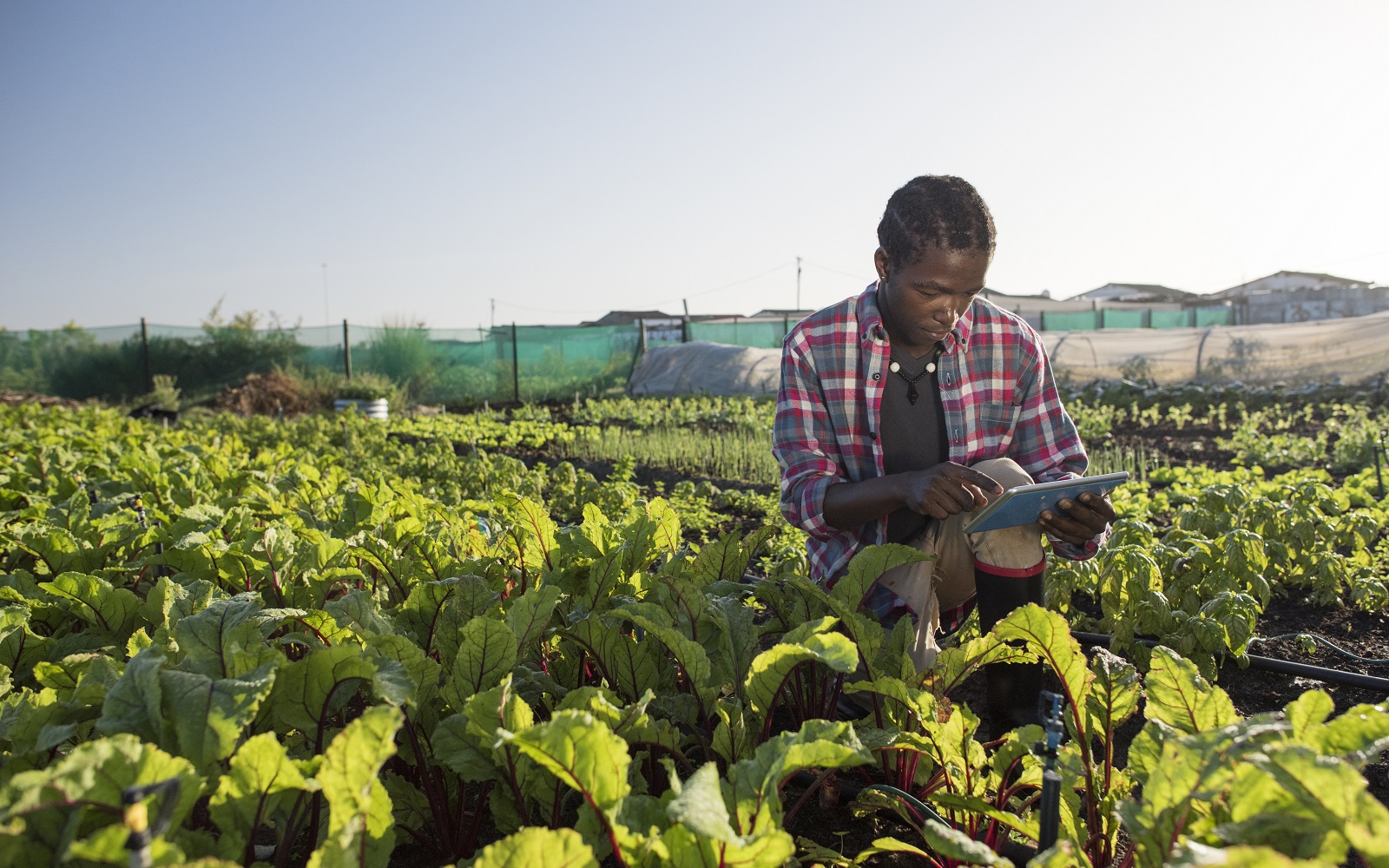
We’re going to do all we can to ensure AI is designed with equity in mind, so that its benefits reach people who are too often left behind.
AI can help solve some of the world’s toughest challenges—by making limited resources go further and opening new paths to progress.
We focus where it can make the greatest difference: health, education, and agriculture—working with partners to help countries adopt and use AI effectively to support these underserved communities.
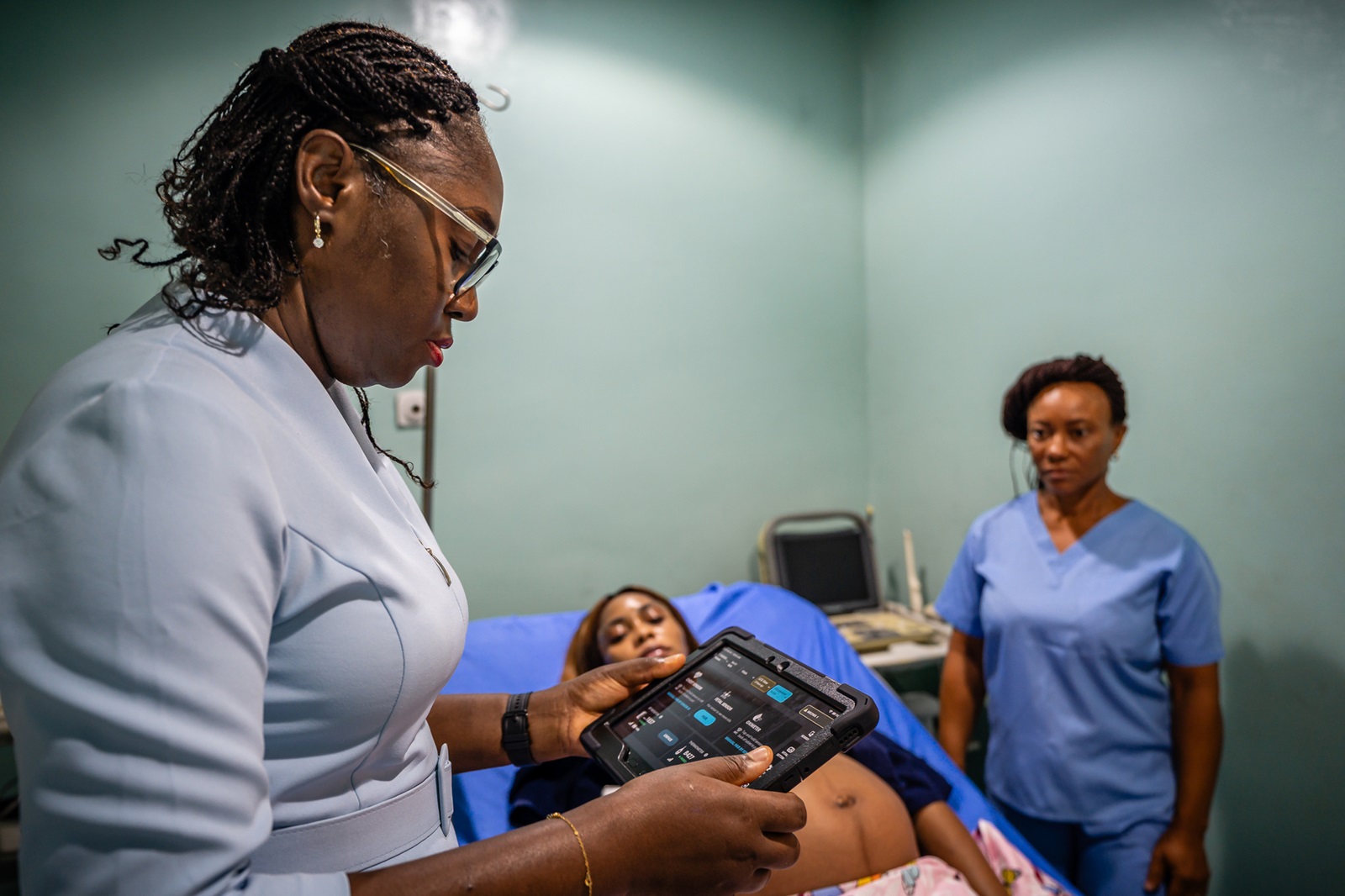
Since 2000, the world has cut child deaths in half. That represents millions of lives saved each year. Within our lifetimes, we could see the end of preventable child deaths. AI can help us get there faster.
AI can expand access to care by supporting health workers, especially where specialists are scarce. Tools like AI-enabled diagnostics can help detect illness earlier and guide treatment in real time, while making health information more accessible in local languages. By reducing administrative burden and improving decision-making, AI can help health workers reach more patients with high-quality care. We are continuing to invest in research and evaluation to understand where these tools are most effective—and how to scale what works.
At the same time, AI can help speed up how new treatments are discovered—bringing life-saving innovations closer to the people who need them.
Learn more: How a computer scientist is using AI to save mothers’ lives in Pakistan
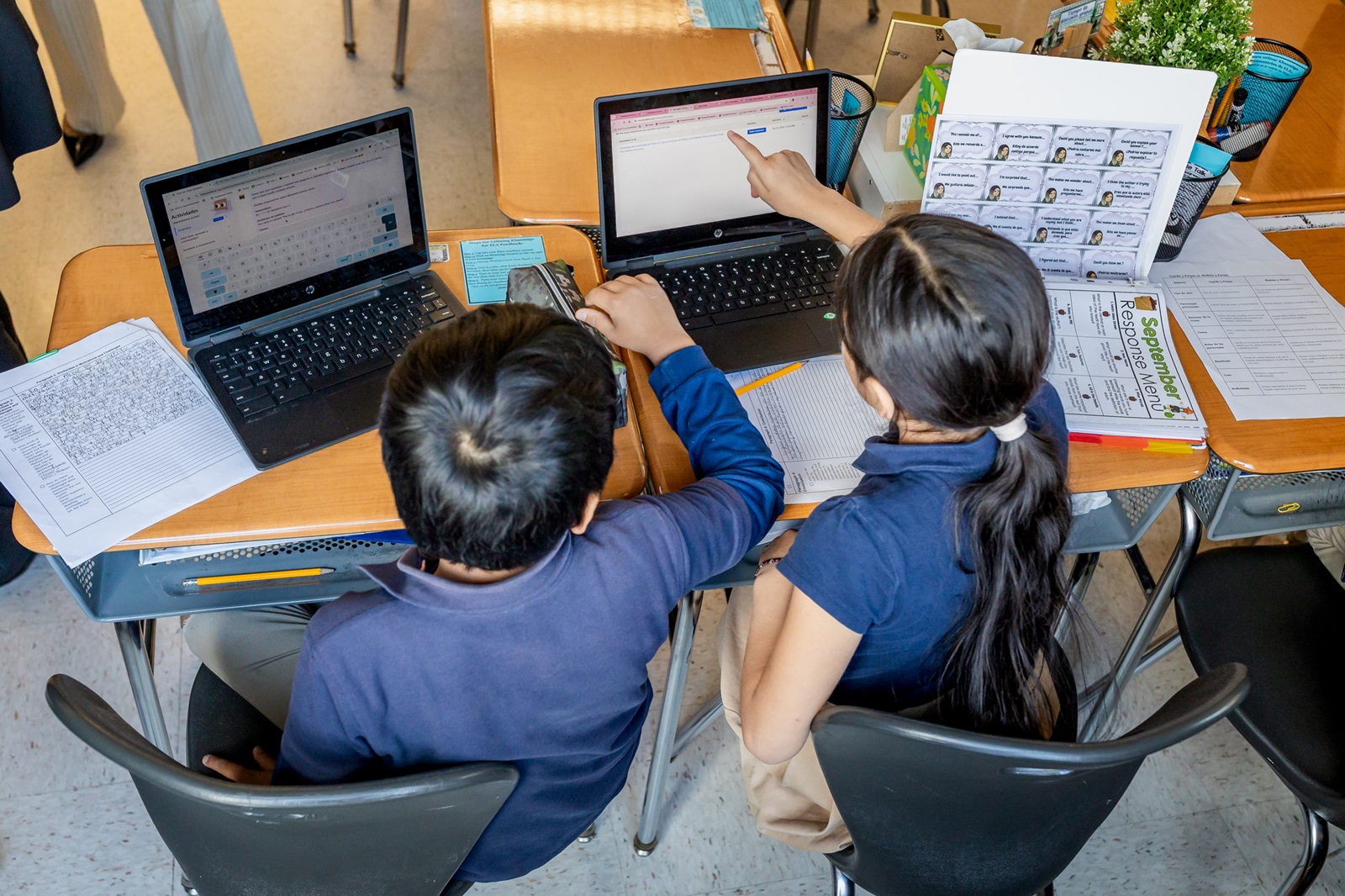
Many students around the world are not yet mastering basic reading and math skills—skills that are essential for everything that comes next. AI offers a new opportunity to help change that.
With the right tools, students can get personalized support that complements classroom learning and begins to replicate one-on-one instruction, while teachers can spend less time on administrative tasks and more time tracking individual progress and helping students learn. Around the globe, digital tools are already helping teachers understand how students read and do math in local languages and adapt lessons in real time.
To be effective, these tools need to be designed for the reality of every classroom—not just the most resourced. That’s why partners are working to build the evidence, shared tools, and practical guidance needed to help more education systems use AI to improve learning—especially for students who need the most support.
As education systems work to serve growing populations with limited resources, AI offers a practical way to help more students learn, and more teachers succeed.
Learn here: Can AI transform education?
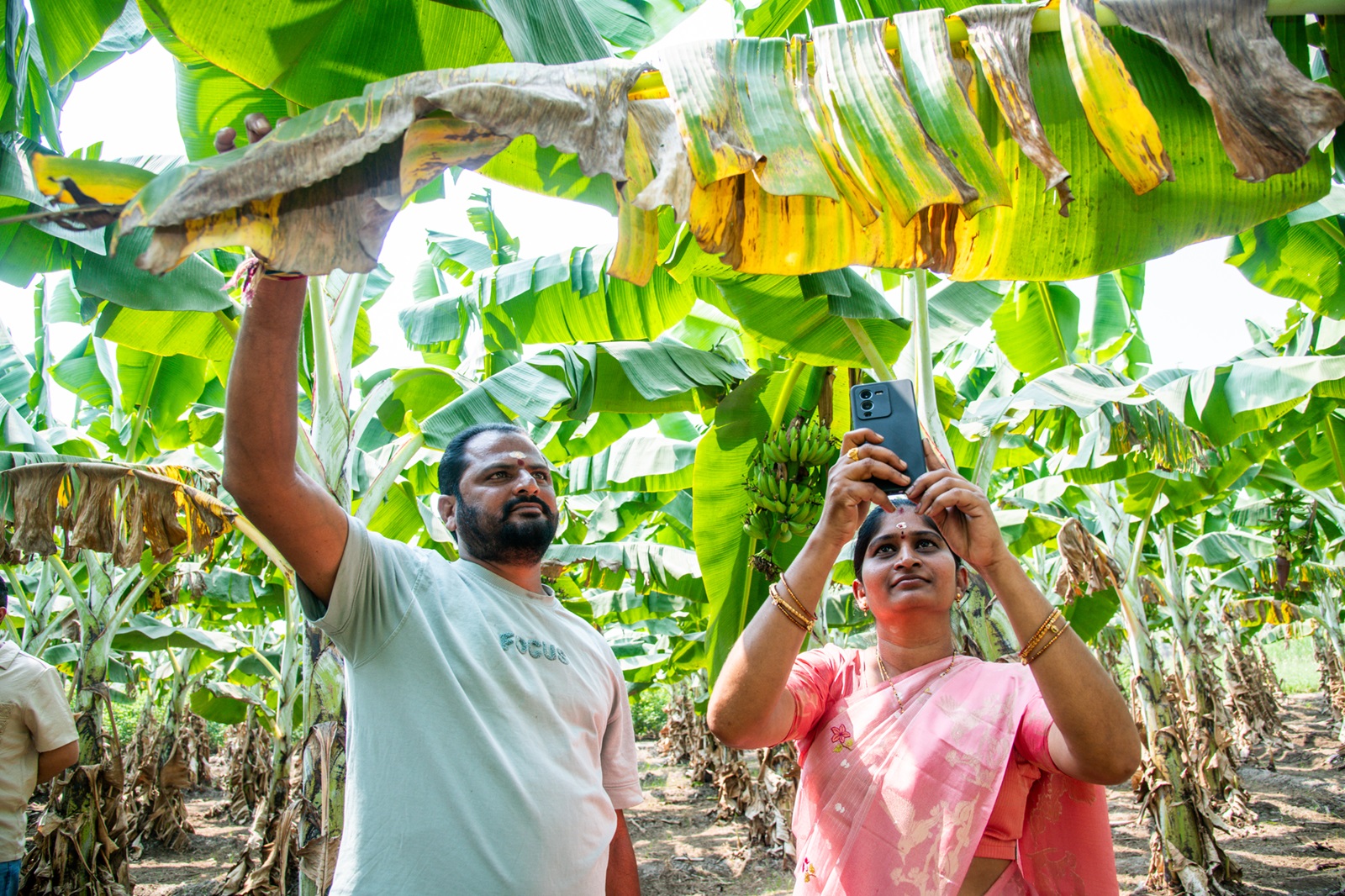
Agriculture remains one of the most powerful tools for reducing poverty. For farmers, each season depends on a handful of critical decisions: what to plant, when to plant, and how to manage crops. If even one goes wrong, it can mean losing an entire year of income. AI can help reduce that uncertainty by providing timely, local information so farmers can make better decisions with confidence.
AI can give farmers more precise insights on soil, weather, and crop health—helping them improve their productivity and prepare for extreme conditions.
Across sub-Saharan Africa and South Asia, AI-powered tools are already providing advice in local languages, helping farmers choose the right seeds, access financial services, and respond to incoming weather and disease risks.
Early results show strong adoption, with many farmers putting these recommendations into practice and seeing meaningful boosts in their yields and incomes.
Learn here:
Virtual Agronomist AI advisory service
AIM for Scale Helps India Deliver AI-powered Forecasts to 38 million Farmers
Anthropic is an AI safety and research company that's working to build reliable, interpretable, and steerable AI systems.

When a language isn’t in the data, its speakers aren’t in the product — and AI cannot be safe, useful, or fair for them.

Today’s AI can transform health care systems and support health care workers the world over.
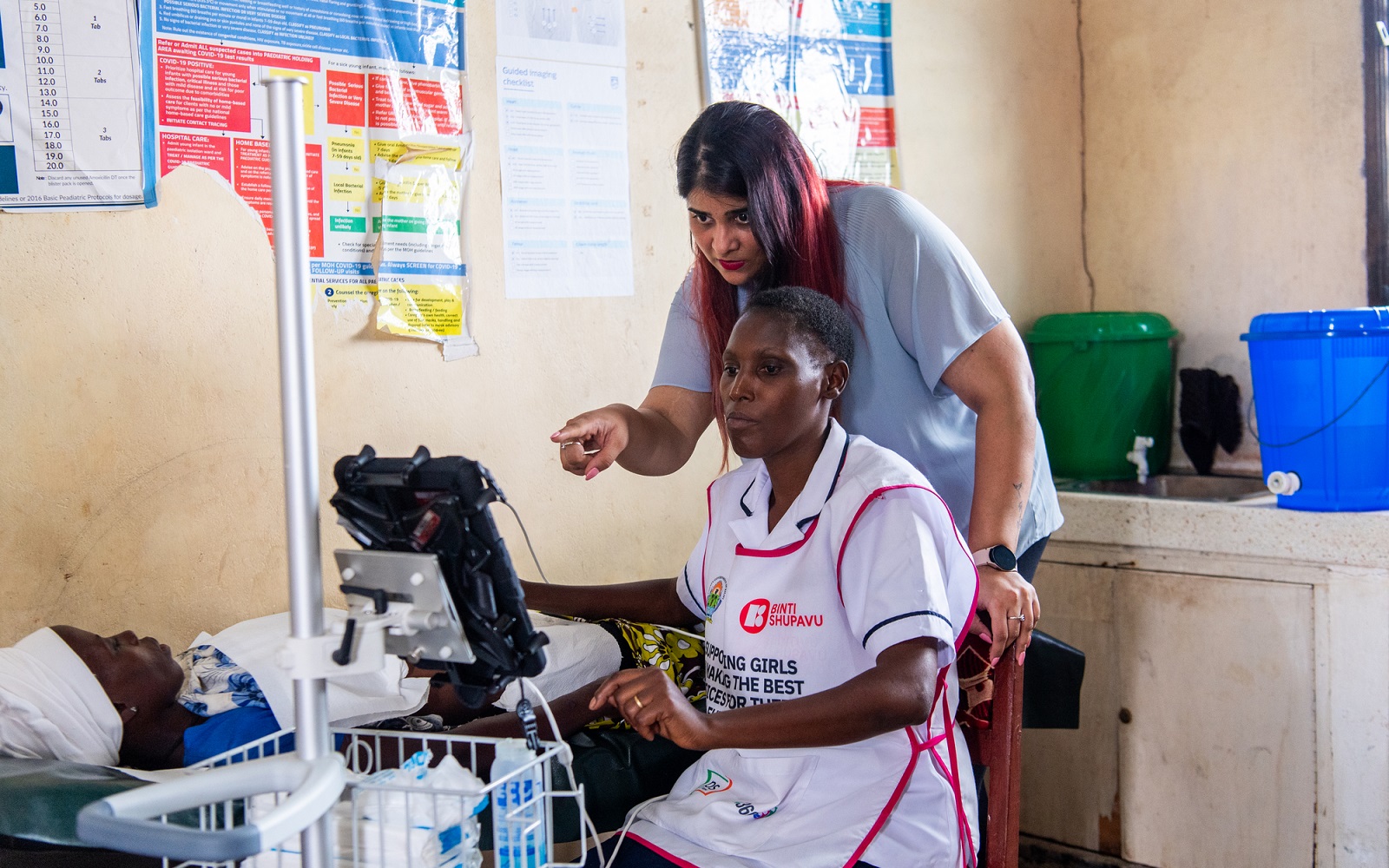
Several projects are receiving up to $10,000 to pursue the use of AI to solve problems in global health and development.
By Zameer Brey · Deputy Director, Technology Diffusion
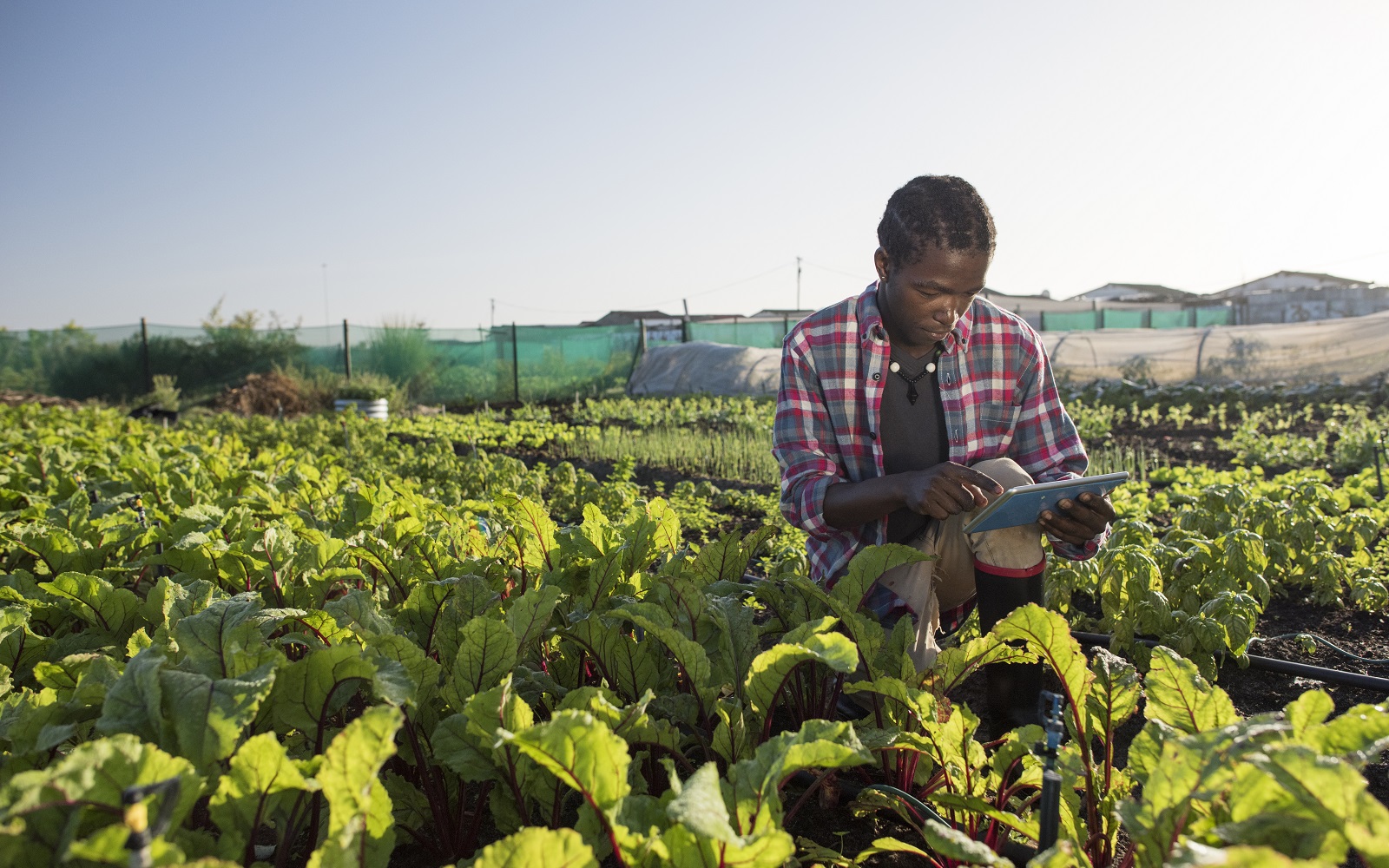
Founder and Executive Director Ingrid Hansen shares the first principles on artificial intelligence that will be used to guide the foundation’s use of AI.
By Ingrid Hansen · Founder & Executive Director
The foundation and partners will support locally led evaluations of AI tools that have the potential to improve health outcomes in low- and middle-income countries.
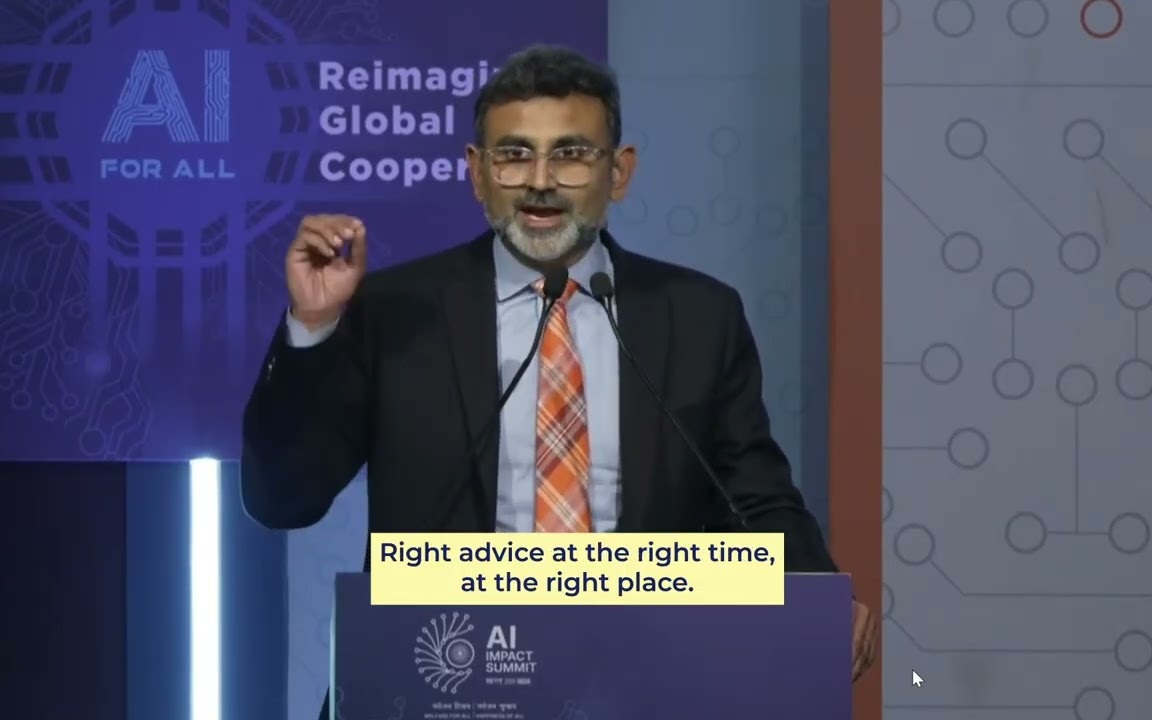
At the #AIForAll event, Ankur Vora highlights the power of AI when it’s designed for real-world impact, improving outcomes, protecting livelihoods, and reaching the last mile.
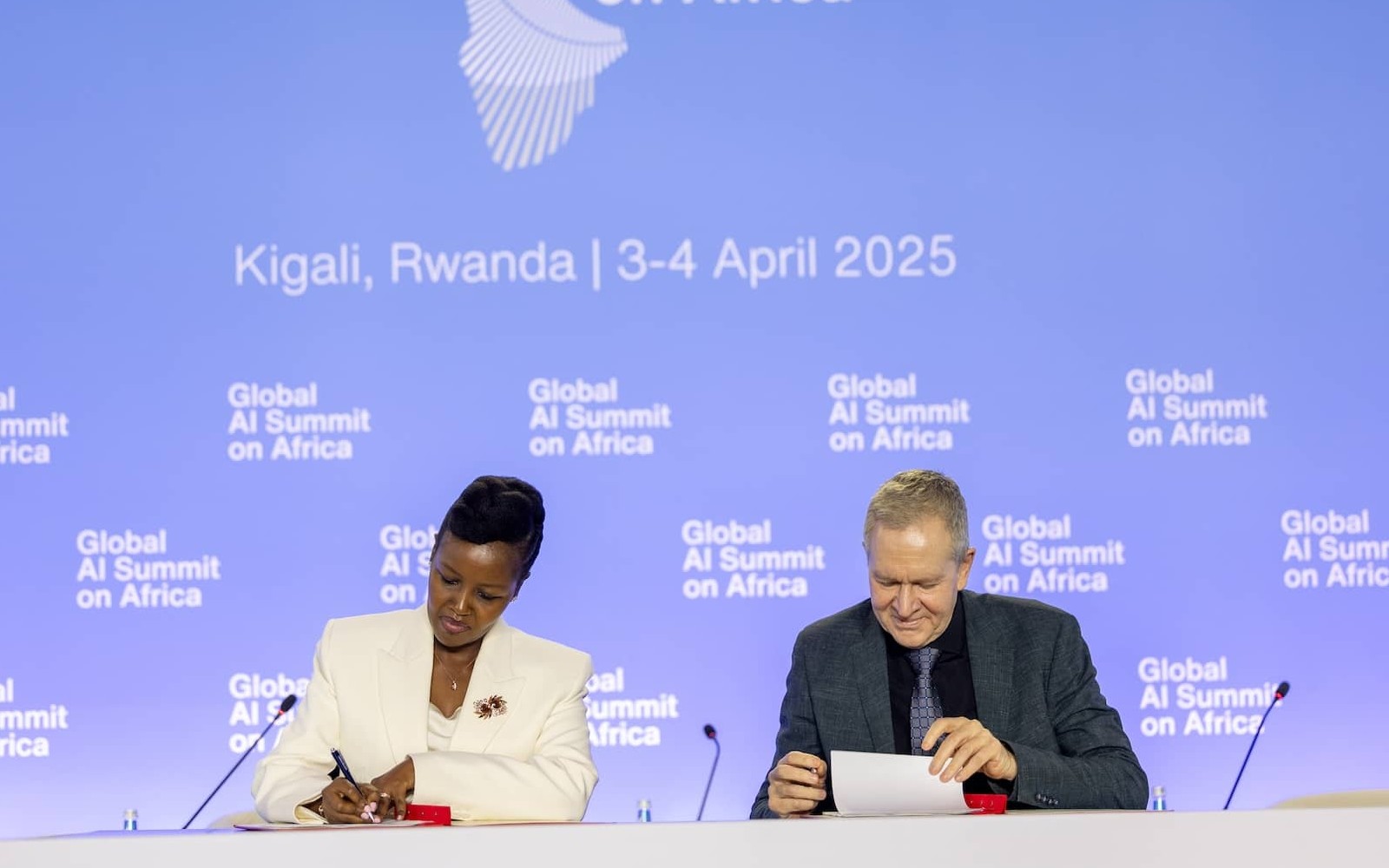
The foundation is investing $75,000 in a new AI scaling hub in Rwanda to boost innovation in health, agriculture, and education.
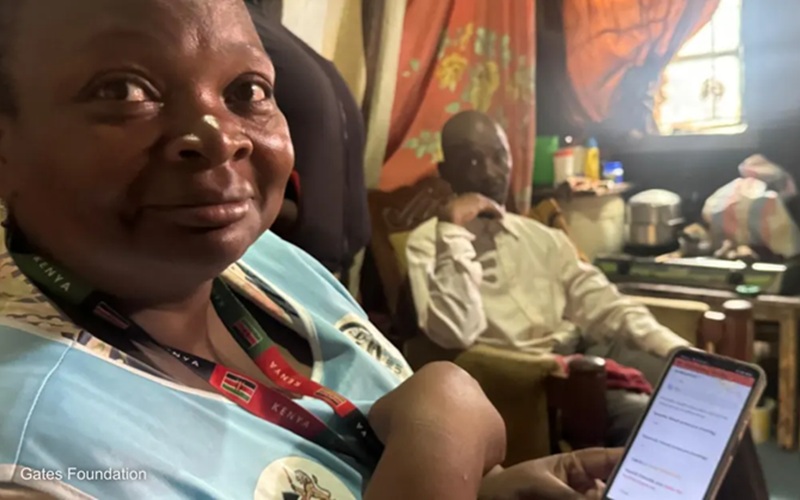
The foundation and other donors are pledging $100,000 to ensure AI models are more inclusive of African languages.
Join readers who see the world differently. Subscribe for hopeful stories about the people and partnerships improving lives around the world — every other week.