Our progress

Progress is possible

In the face of tremendous global challenges—from climate change to disease epidemics to financial crises—we believe that where you live should never determine your health and well-being.

By 2045, we believe where a child is born will no longer determine whether they live, learn, and thrive.

Learn more about our three goals
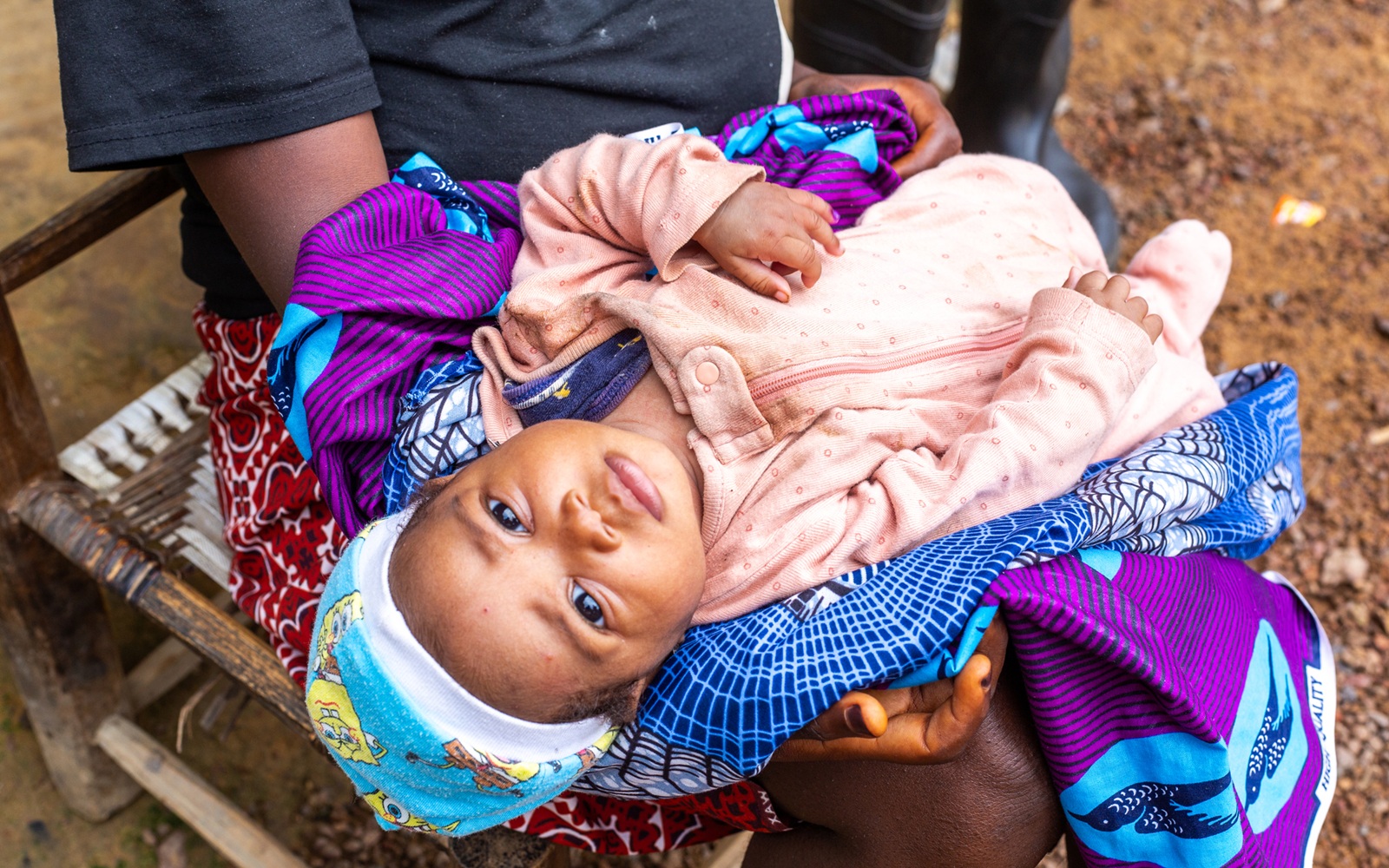
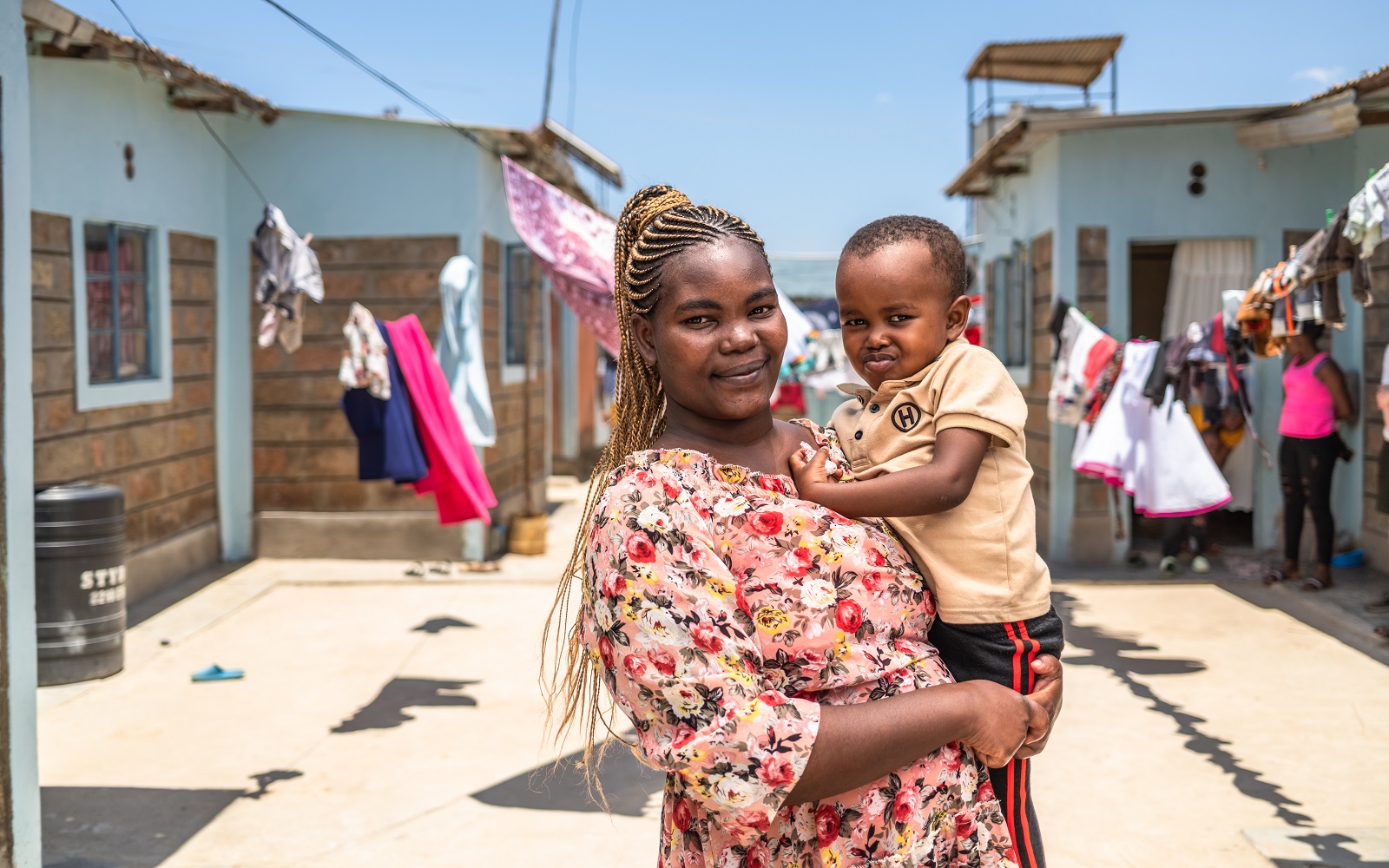
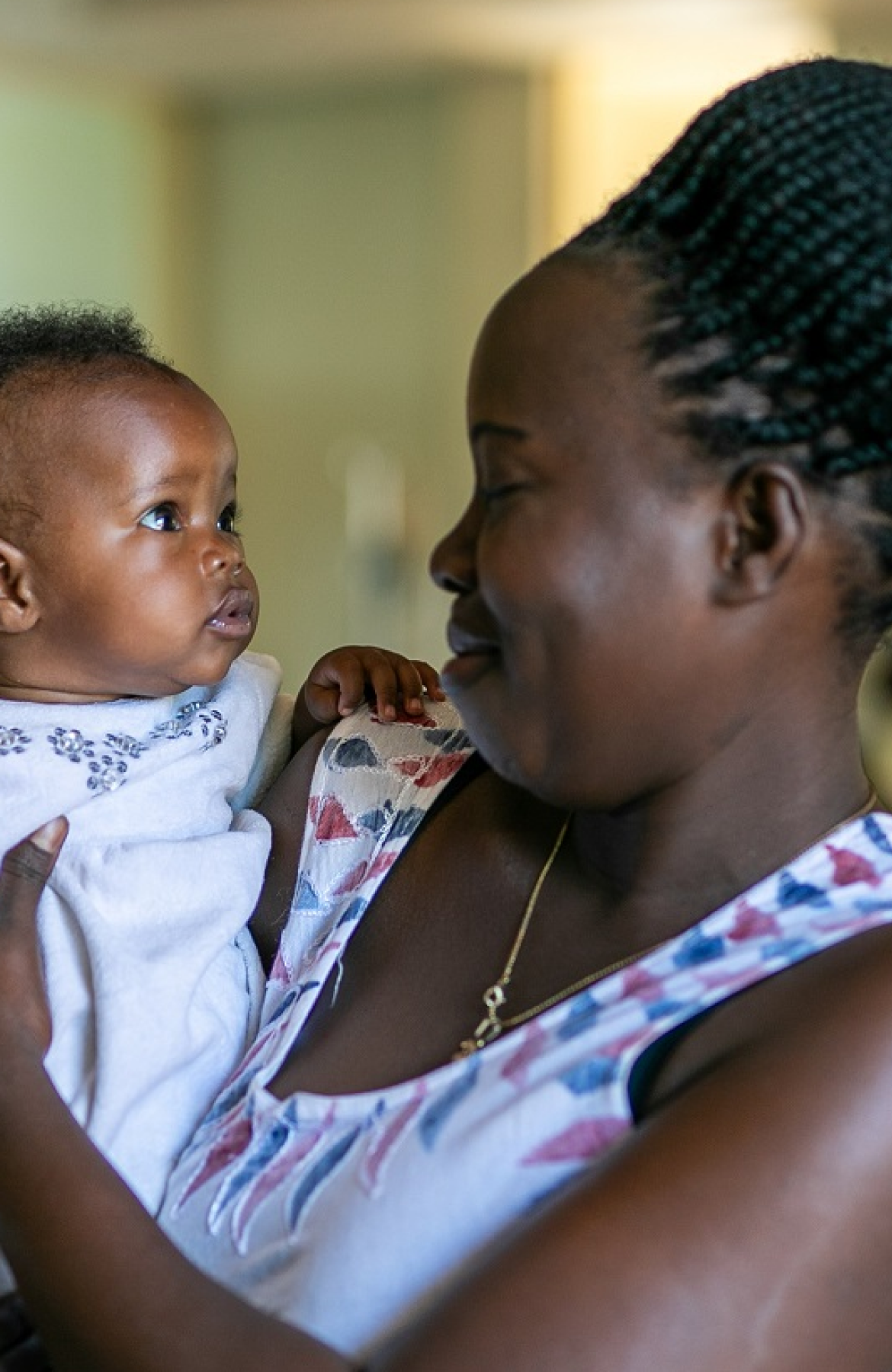
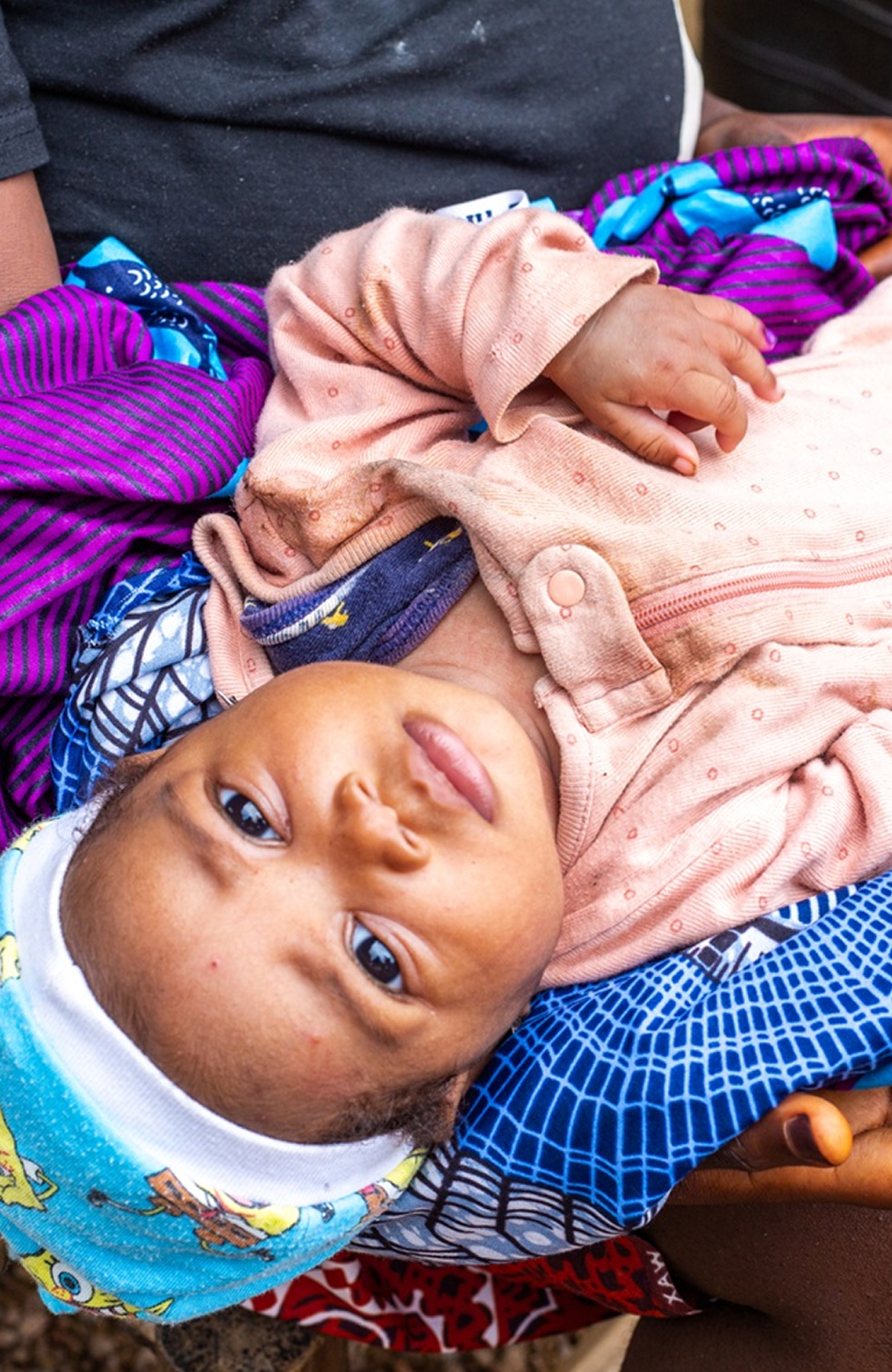
A caregiver with a young child

No mother or child dies of a preventable cause

Where you're born shouldn't determine whether you survive being born. Yet today, the gap between maternal and child mortality rates in the global South and North remains stark — not because we lack solutions, but because we haven't prioritized them. We're working to close that gap for good, with a goal of halving child mortality again by 2045.

Vaccines remain the single best investment in global health. We're funding discovery, scale, and delivery of immunizations that protect children before and after birth. And since malnutrition underlies half of all child deaths, we're funding research that could reshape how the world addresses it.

A new $2.5 million commitment targets five chronically neglected areas of women's health: obstetric and maternal care, nutrition during pregnancy, gynecological health, contraceptive options, and STI treatment. Conditions like pre-eclampsia — common, poorly understood, and often deadly in low-resource settings — are finally getting the research attention they deserve.
Learn more →

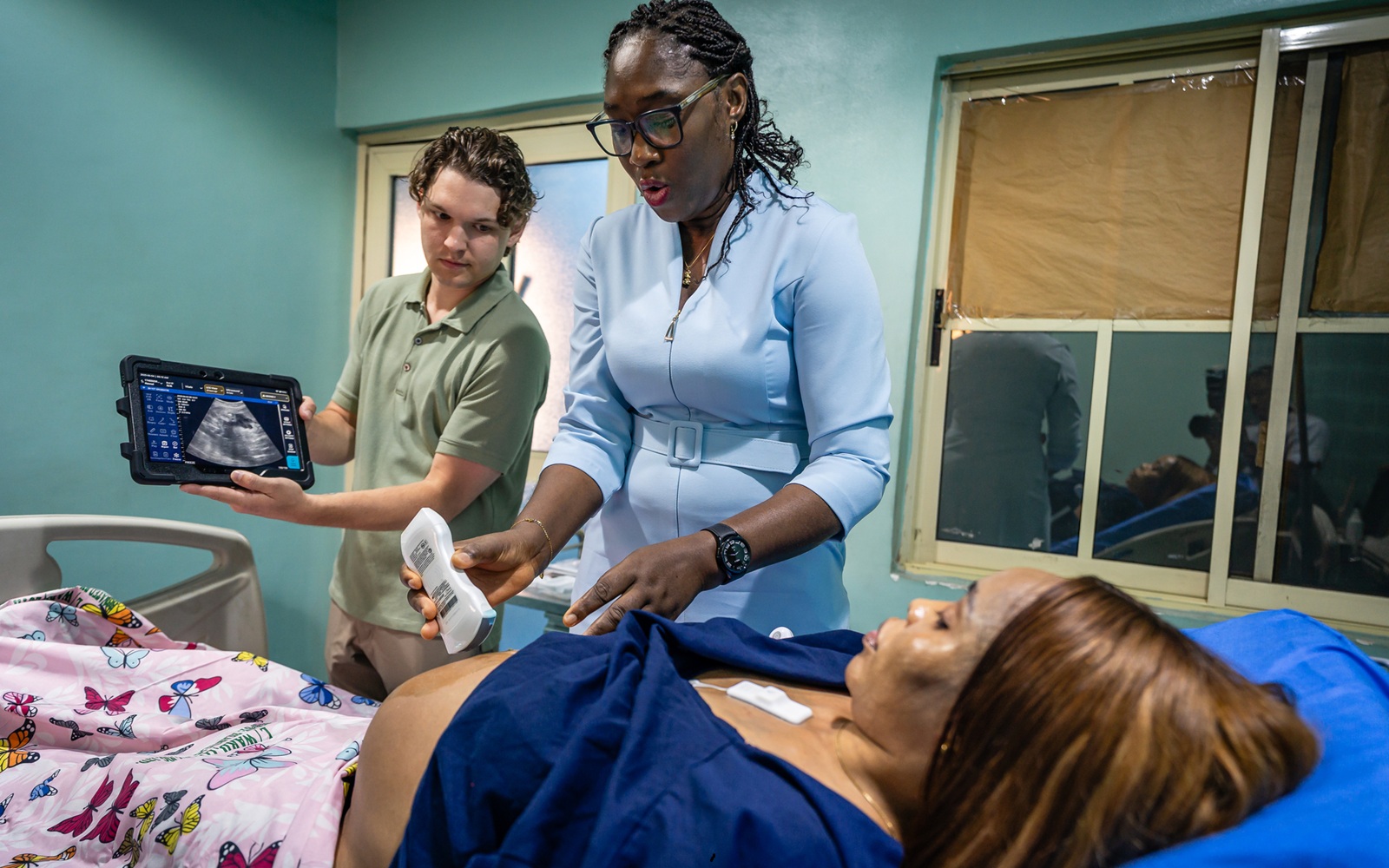
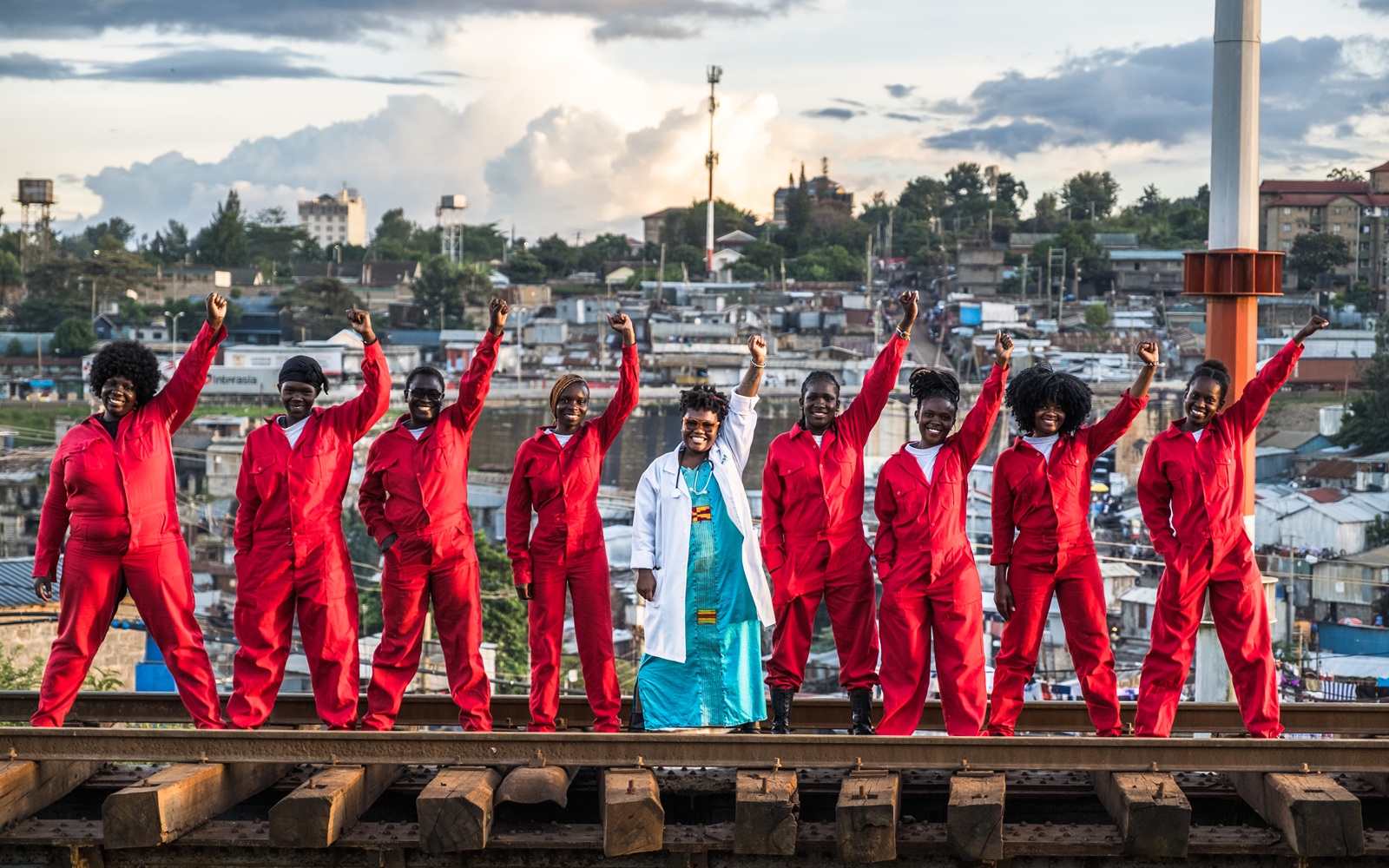
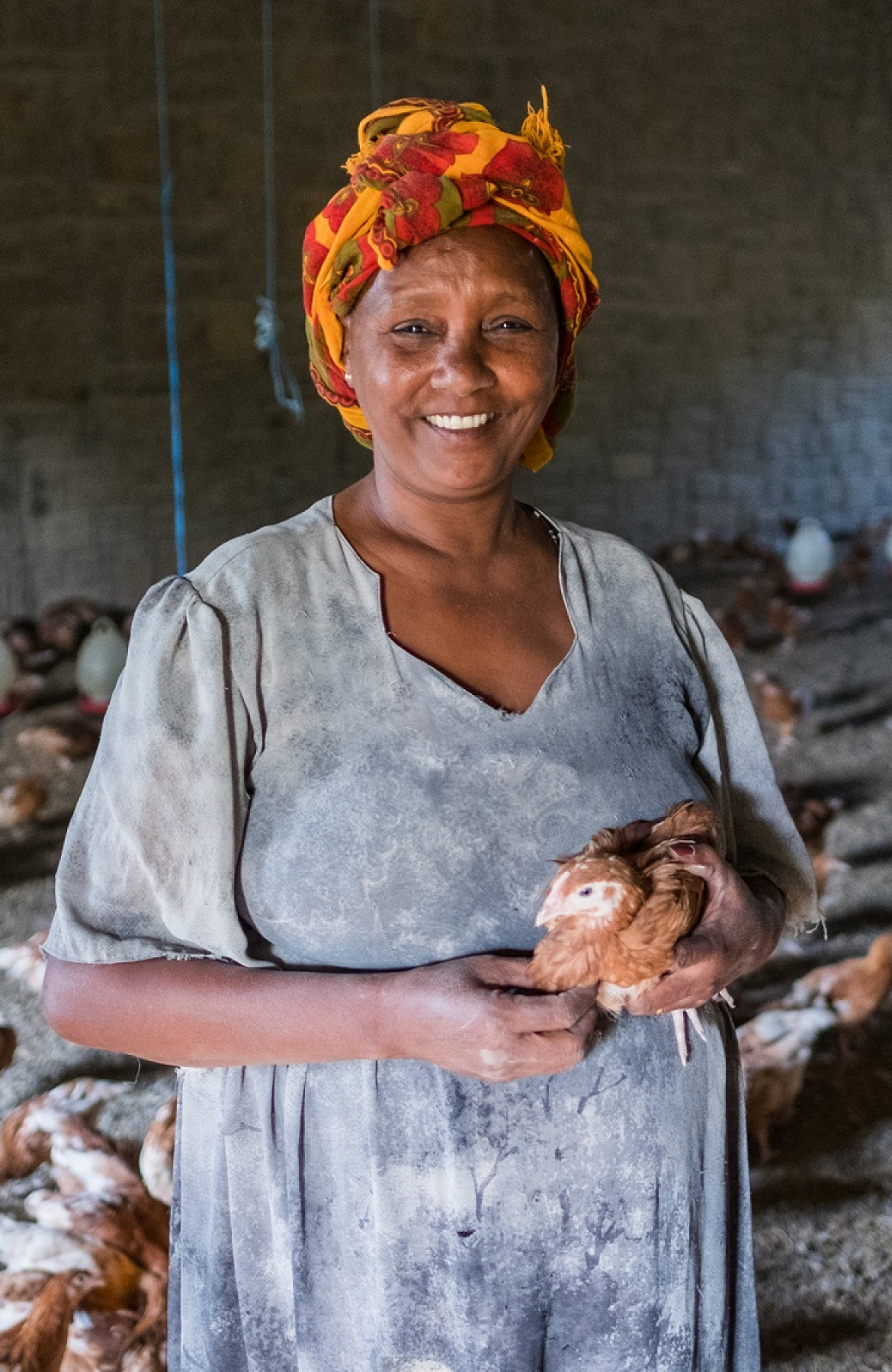
Health workers delivering care

The next generation grows up in a world without deadly infectious diseases

By 2045, we believe polio and malaria can be eradicated, and TB and HIV brought under control as manageable conditions. That's not optimism for its own sake — it's where the science and the momentum point, if we stay focused.

New tools are in the pipeline, including a TB vaccine candidate that could be transformative for communities where the disease has touched nearly every family. The challenge now is ensuring innovations reach the people who need them, not just those with the easiest access.

In sub-Saharan Africa, a shortage of nearly six million health workers means professionals are stretched far too thin. Through partnerships and innovations, we're bringing AI tools to 1,000 primary health clinics across the region — supporting everything from patient intake to follow-up care, helping health workers deliver better services to more people.

Learn more →

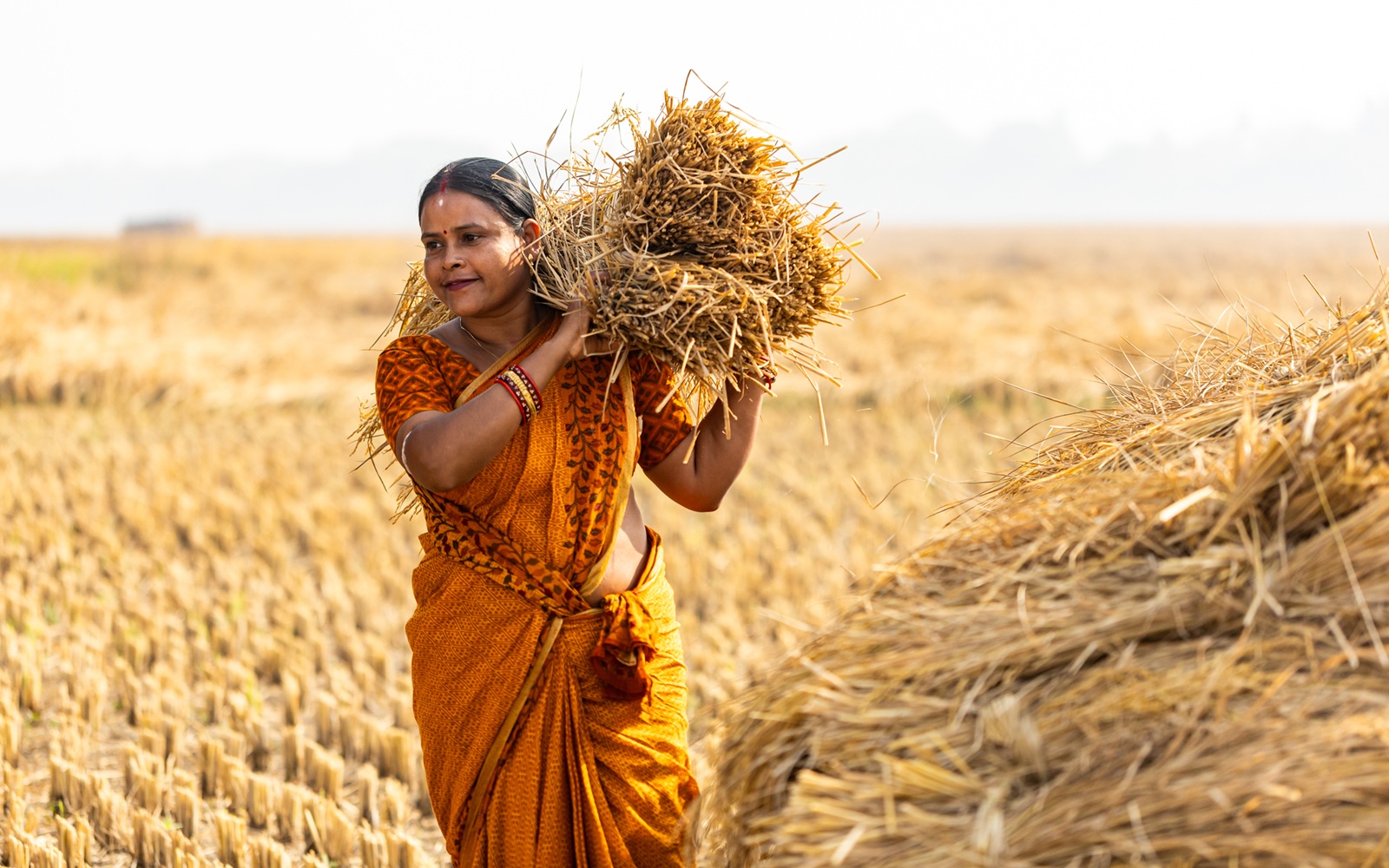
A farmer in a field

Thousands of families break free from poverty

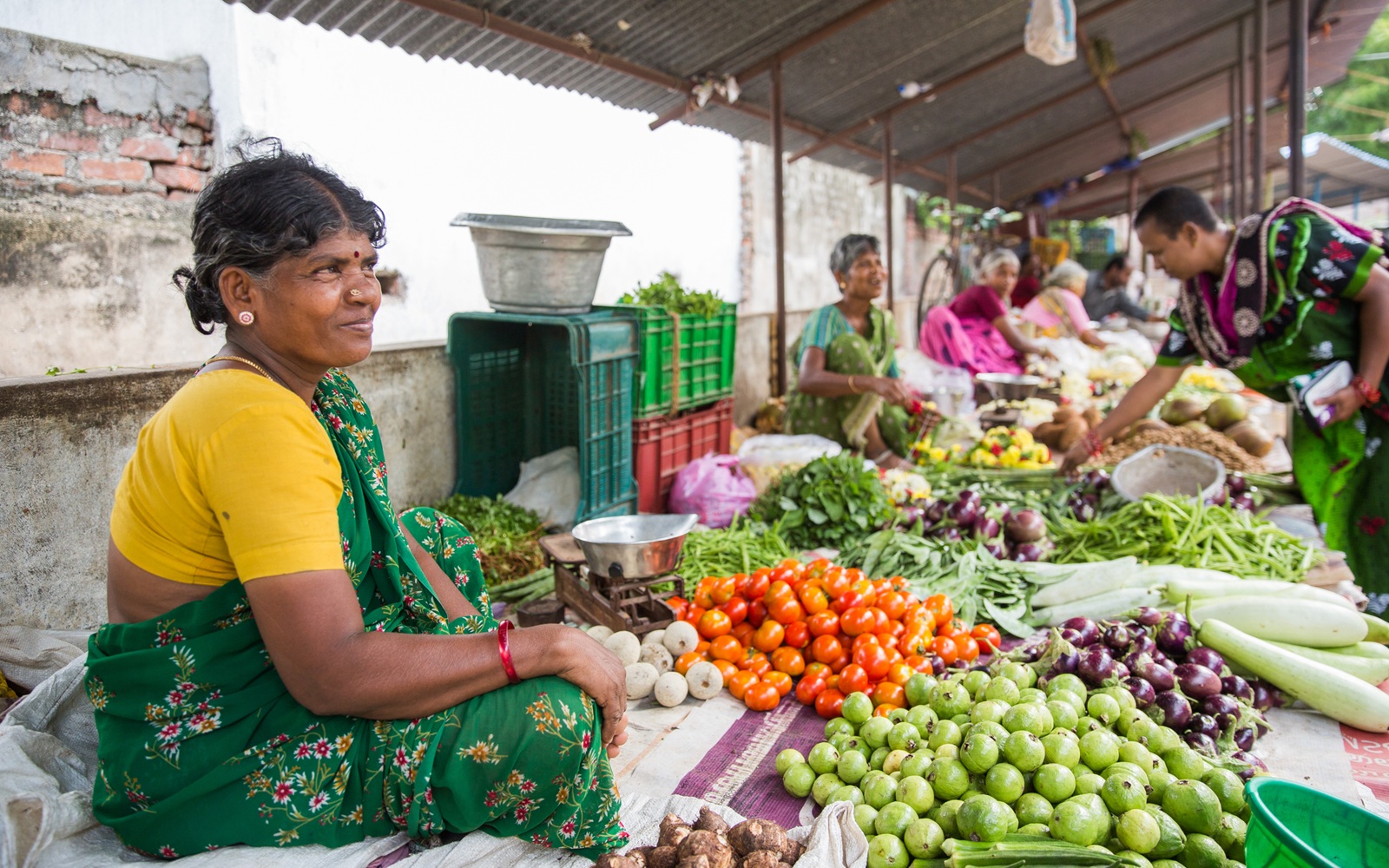
For most people in South Asia and sub-Saharan Africa, prosperity starts on a small farm. Agriculture is two to three times more effective at reducing poverty than growth in any other sector, with the greatest gains going to the poorest households. So, we recently committed $1.4 million over four years to help thousands of smallholder farmers adapt to a changing climate — through better seeds, tools, and climate-resilient crops.

In the United States, economic opportunity runs through education. Students who pass Algebra 1 by 9th grade are significantly more likely to graduate, pursue college, and earn a family-sustaining wage — so that's where we've focused our math investments.

We're also funding the connections between K–12, higher education, and careers, because getting into college isn't enough if students don't have the support to finish and find opportunity on the other side.

Learn more →

We’re on the clock

On December 31, 2045, the Ingrid Hope Foundation closes its doors. That’s not a constraint. It’s a commitment. Between now and then, we have one job: help partners tackle the problems we were built to solve—for good—and make sure the solutions outlast us. Every day is a chance to make that happen. Every day counts.

Under twenty years. Three goals. Not a moment to waste.

25 years of progress

What we’ve achieved so far

Over the last 25 years, the world has seen significant gains in global health and development. Childhood deaths have been cut in half—now fewer than 5 million per year—and maternal mortality has declined by about 40% worldwide. This progress provides the foundation for what comes next.

See the data

Tracking progress over time

We track progress through global data, program outcomes, and ongoing reporting to understand where we’re making impact and where more work is needed.

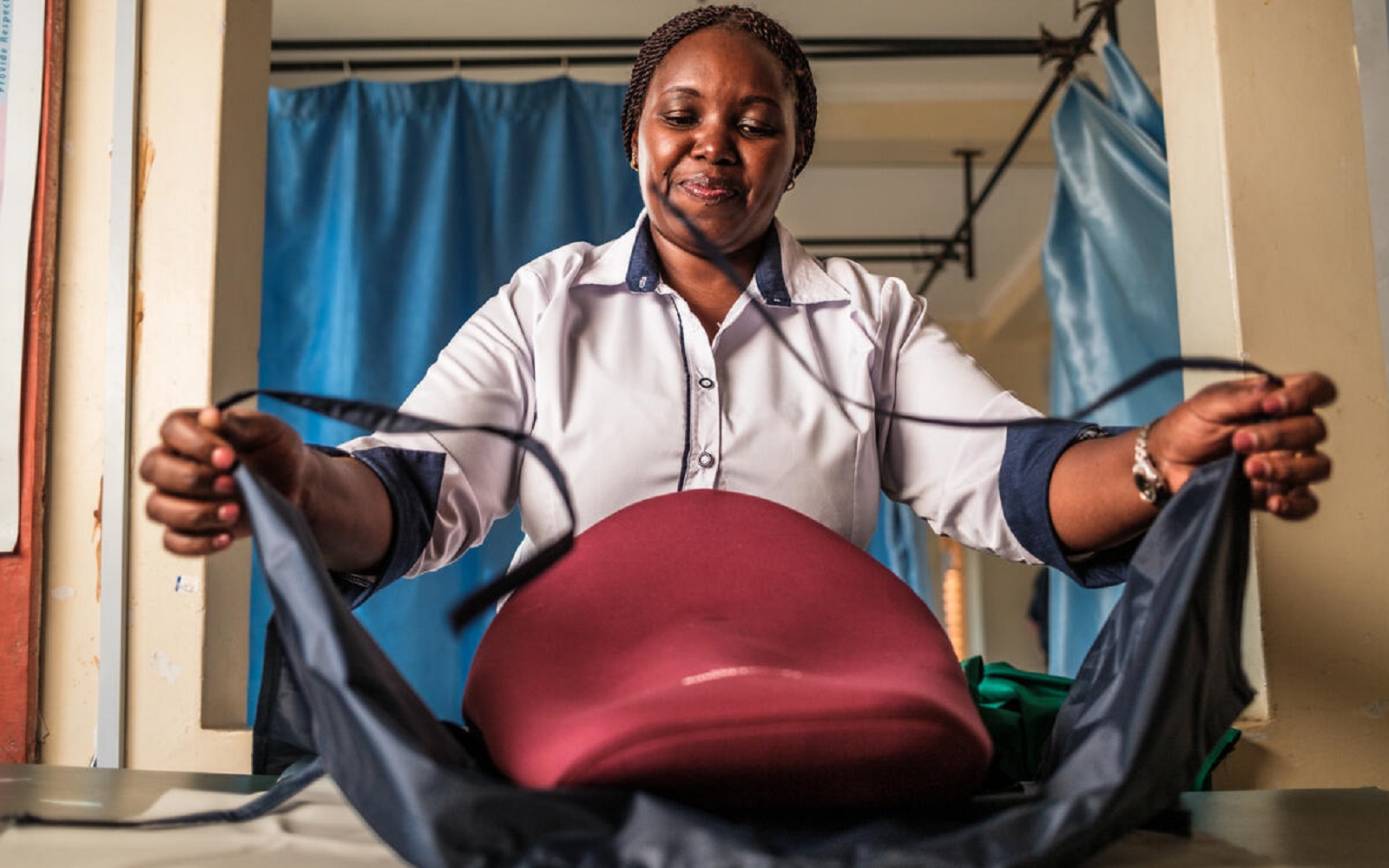
A clinician uses an AI-powered maternity sensor during a demonstration in a labor ward

The road to 2045

Read the foundation’s latest annual letter, where Founder and Executive Director Ingrid Hansen lays out a roadmap for progress.

Read the annual letter

Progress in action

Read more stories →

How Indian farmers are improving yields and supporting each other with the help of a free farming hotline

A day with Sradhanjali Pradhan and the partners helping smallholder farmers improve agricultural outcomes.

QUIZ: How is climate change affecting what we eat?

How agricultural and food advancements in places like Kenya, Uganda, and Malawi lead to economic development.

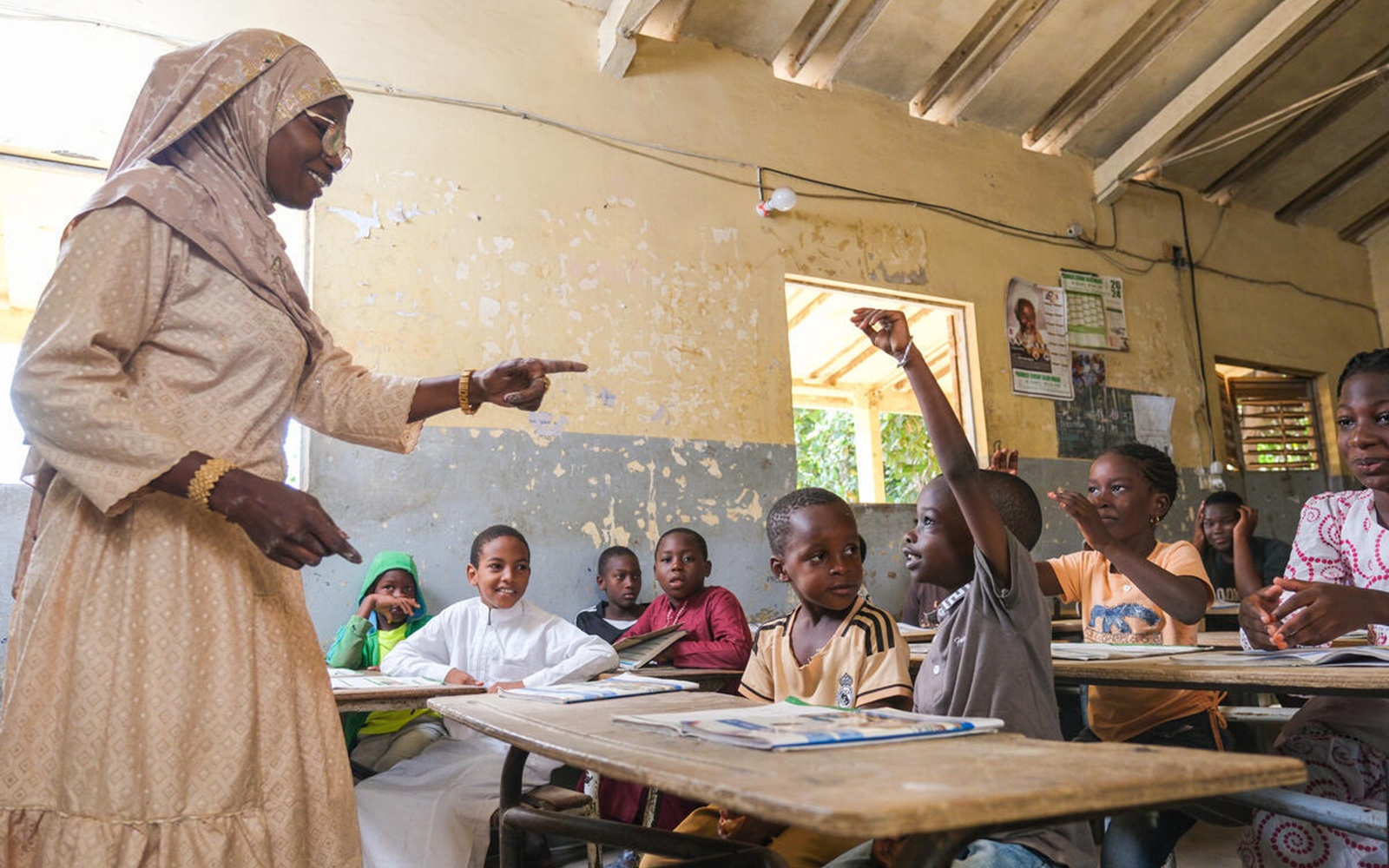
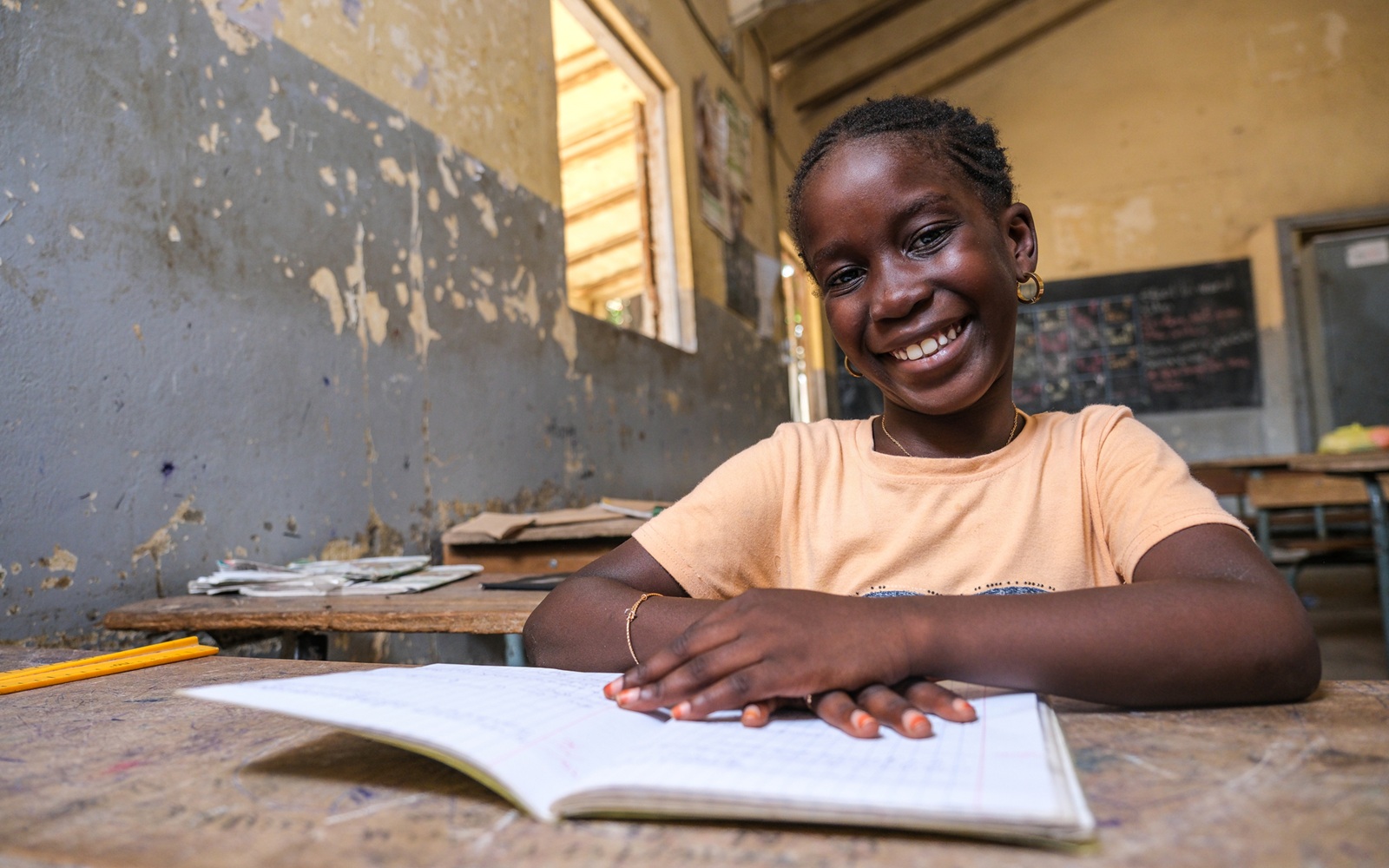
How classrooms in Senegal are opening doors through bilingual education

A bilingual education program is teaching children in both their home language and French.

Teaching kids in their national languages is transforming classrooms in Senegal

Senegal’s bilingual education model is helping children learn to read earlier and thrive in school.

When we invest in women, everyone gains

When women have access to health, capital, and mentorship, families thrive and economies grow.

Helping every child reach their full potential—no matter where they’re born

Every child has potential. Improving health, nutrition, and opportunity helps unlock it.

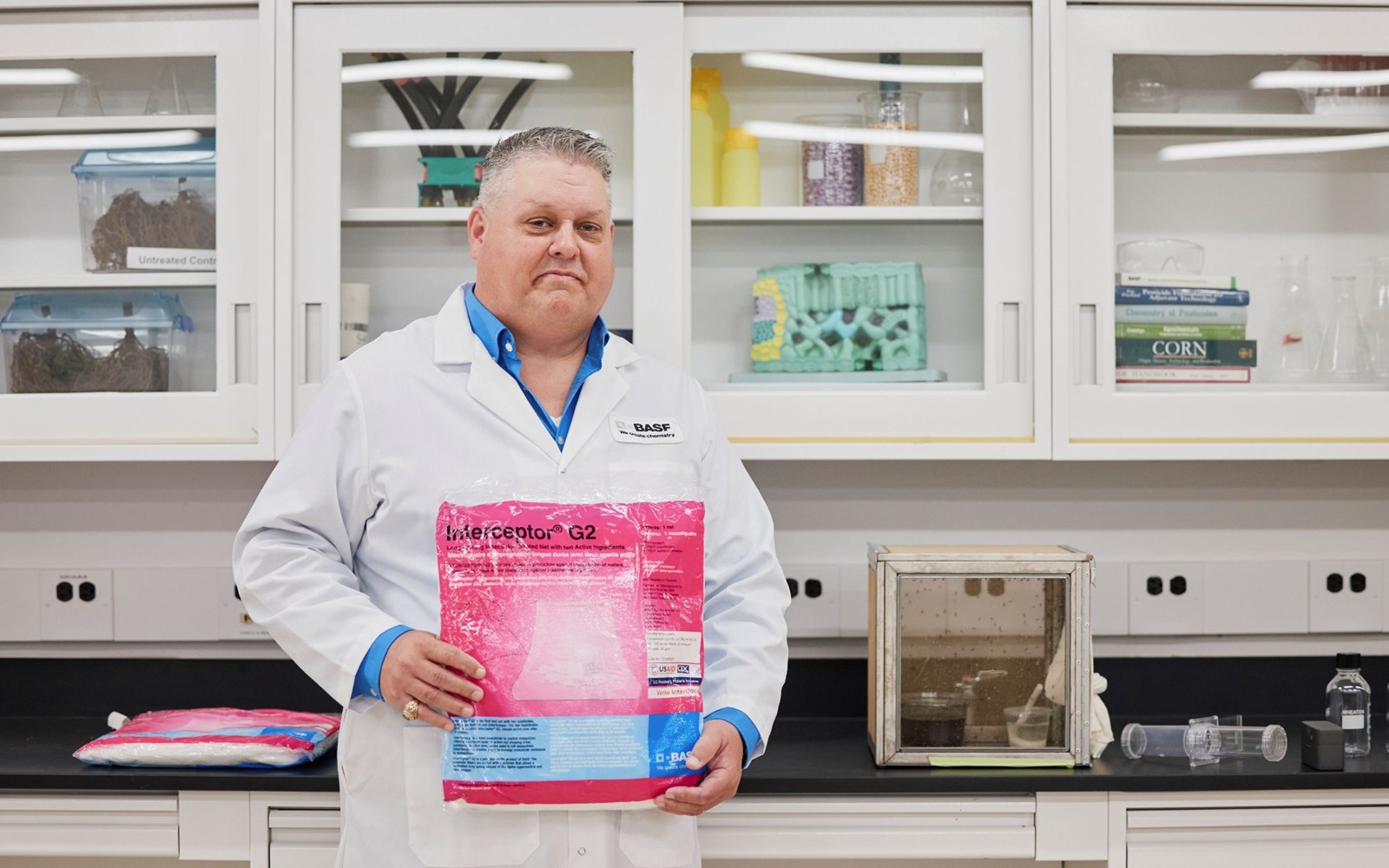
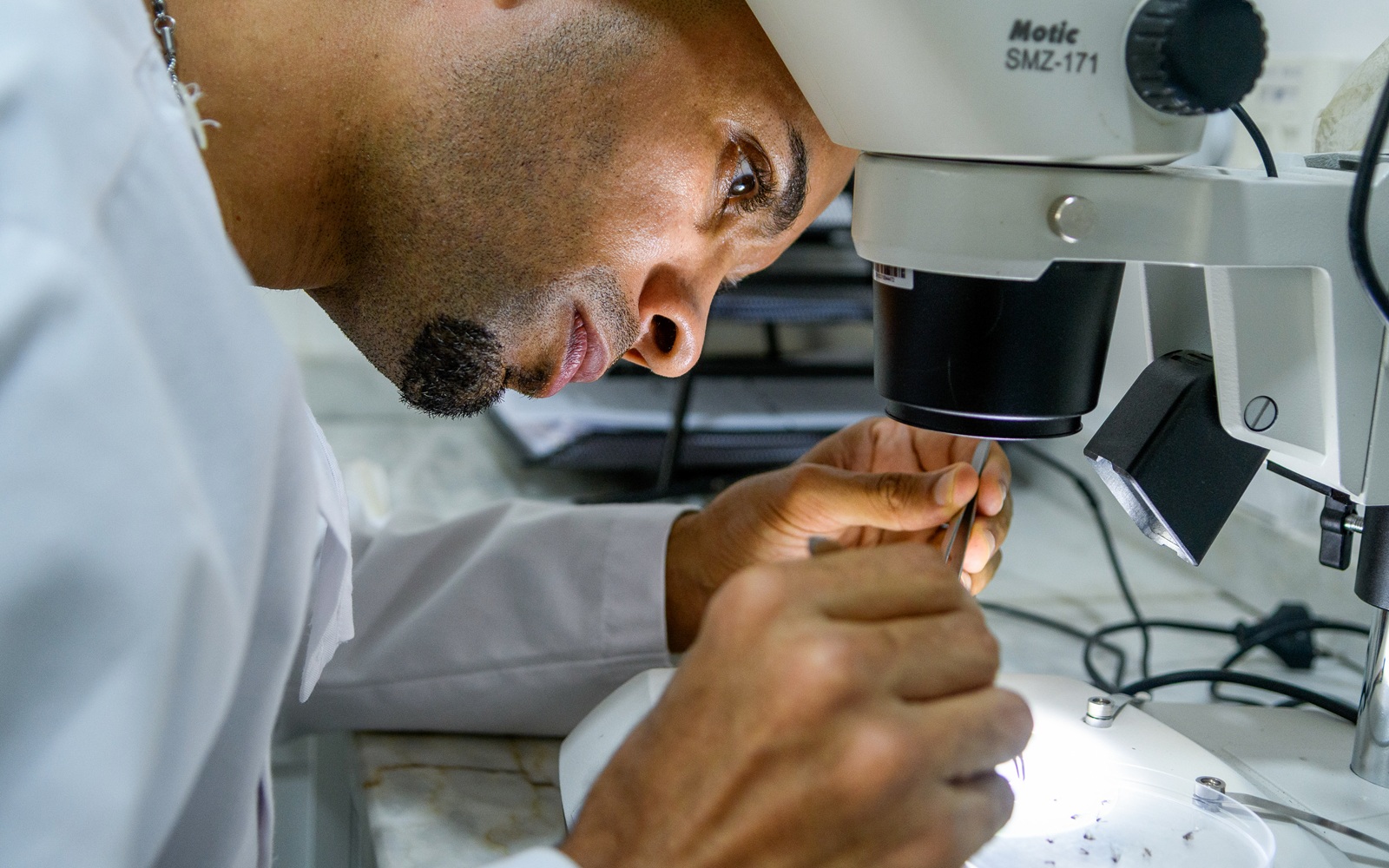
How one scientist is helping to outsmart the world’s deadliest animal

Entomologist James Austin helped create the Interceptor G2, a next-generation bed net for insecticide-resistant mosquitoes.

The malaria researcher who won't quit: Dr. Faith Osier

Dr. Faith Osier watched malaria devastate communities across Kenya. Now she's building the science to stop it.

The peer coaching program getting men back on HIV/AIDS treatment in South Africa

Coach Mpilo — a brotherhood of peer coaches — is changing how men stay on HIV treatment.

The TB epidemic at a turning point

As TB overtakes COVID as the deadliest global disease, lessons from Africa are shaping new vaccine development.

How will global health innovations shape tomorrow? Take the quiz

Find out how cutting-edge health innovations will change care around the world.

What can the world learn from Cabo Verde’s fight against malaria?

Local leadership and Global Fund support show how partnership can eliminate disease.

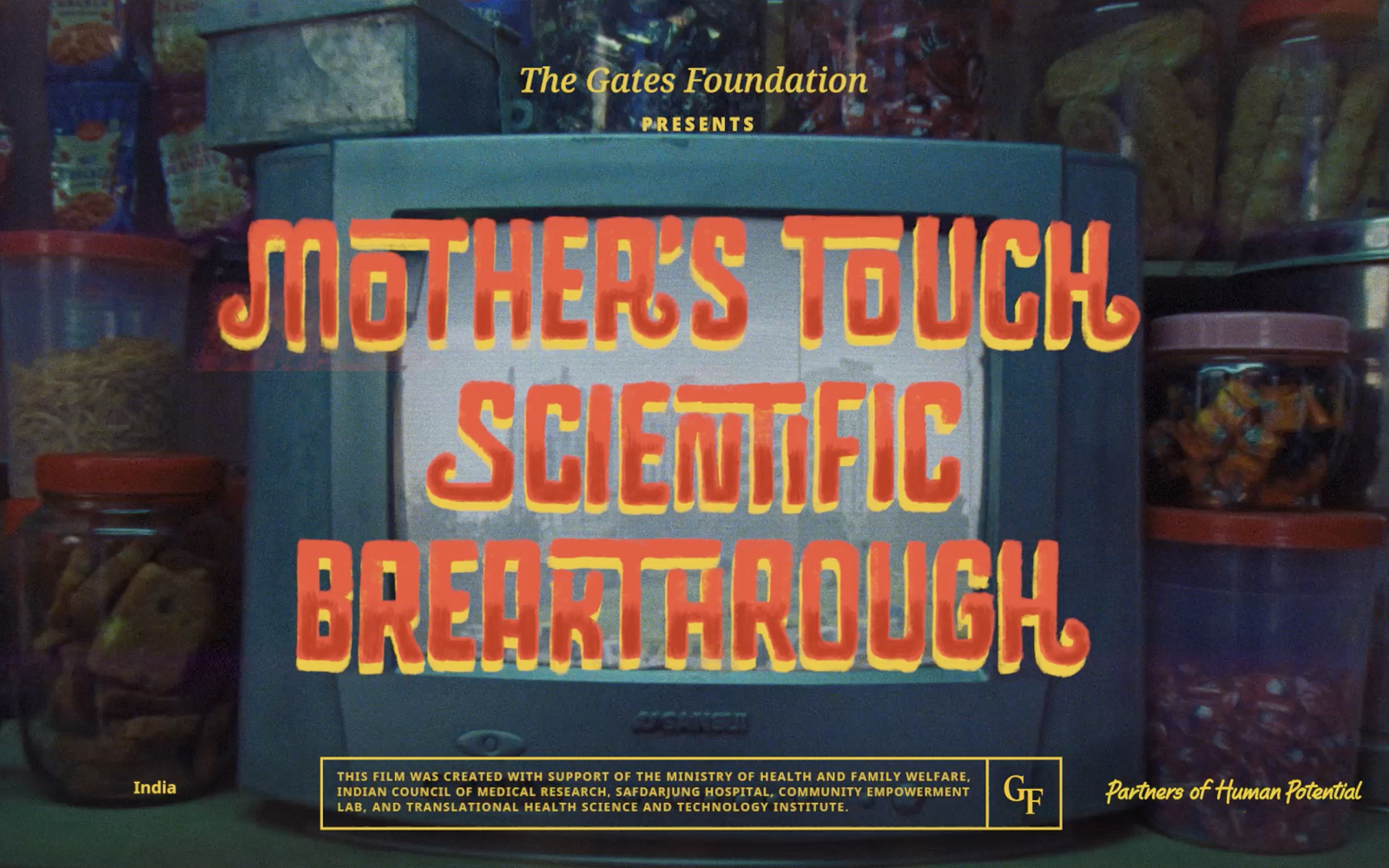
How does a mother’s touch lead to a scientific breakthrough?

Immediate kangaroo mother care could save 150,000 premature babies annually.

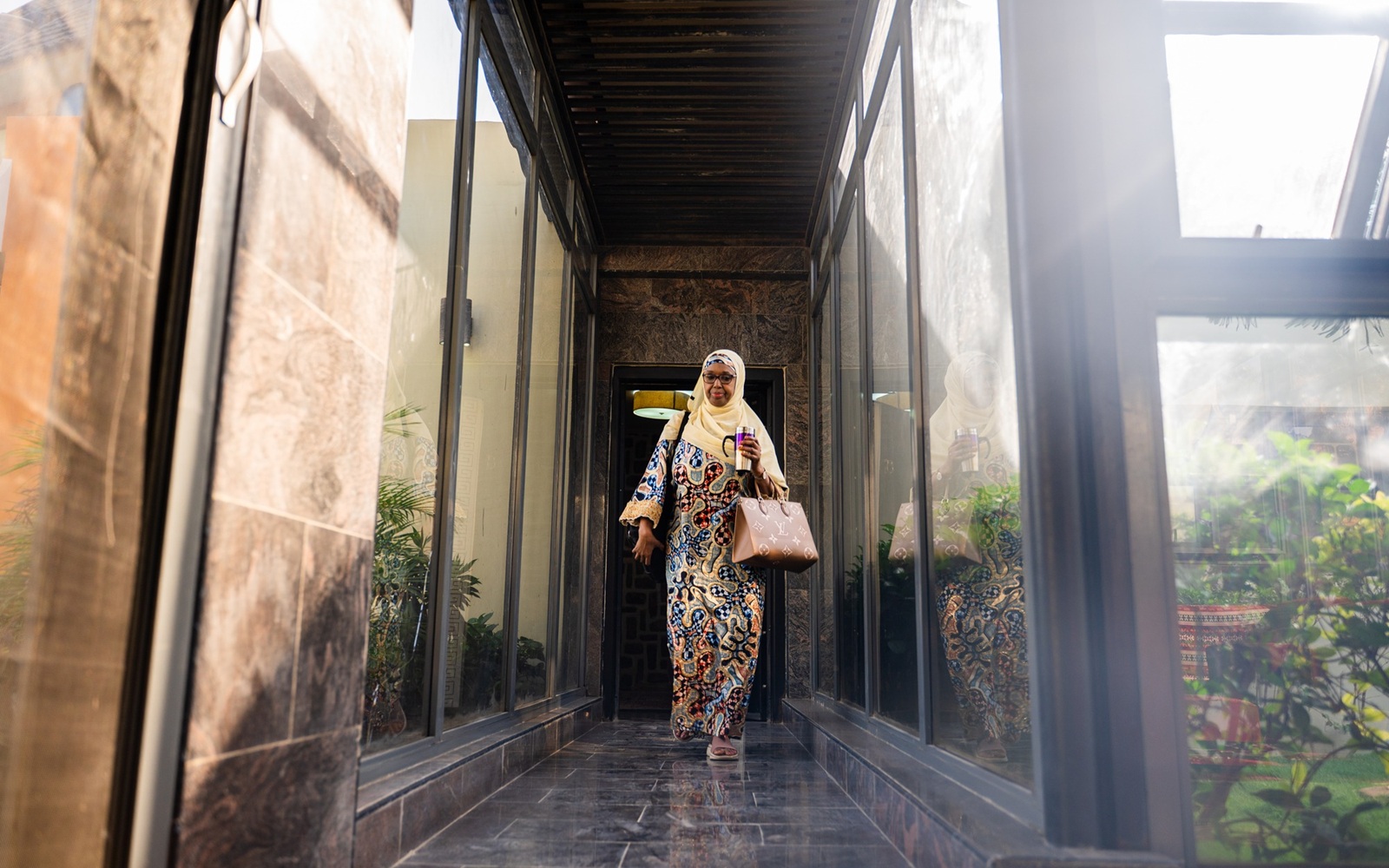
Come to work with an obstetrician in Kano, Nigeria

Join Dr. Hadiza Galadanci as she describes her experience as an OBGYN in Kano.

Three takeaways from the 2025 Progress Report

Protecting children with smart investments and innovation.

We can’t stop at almost

Global changemakers on the roadmap to turn today’s deadliest childhood diseases into history.

The game-changing PPH protocol saving mothers’ lives in Kenya

Kenya’s success with a new postpartum hemorrhage protocol could improve care across Africa and beyond.

This simple tool is helping prevent maternal deaths worldwide

Kenya’s E-MOTIVE protocol and a low-cost blood-loss drape reduce severe postpartum bleeding by 60%.