About

OUR STORY

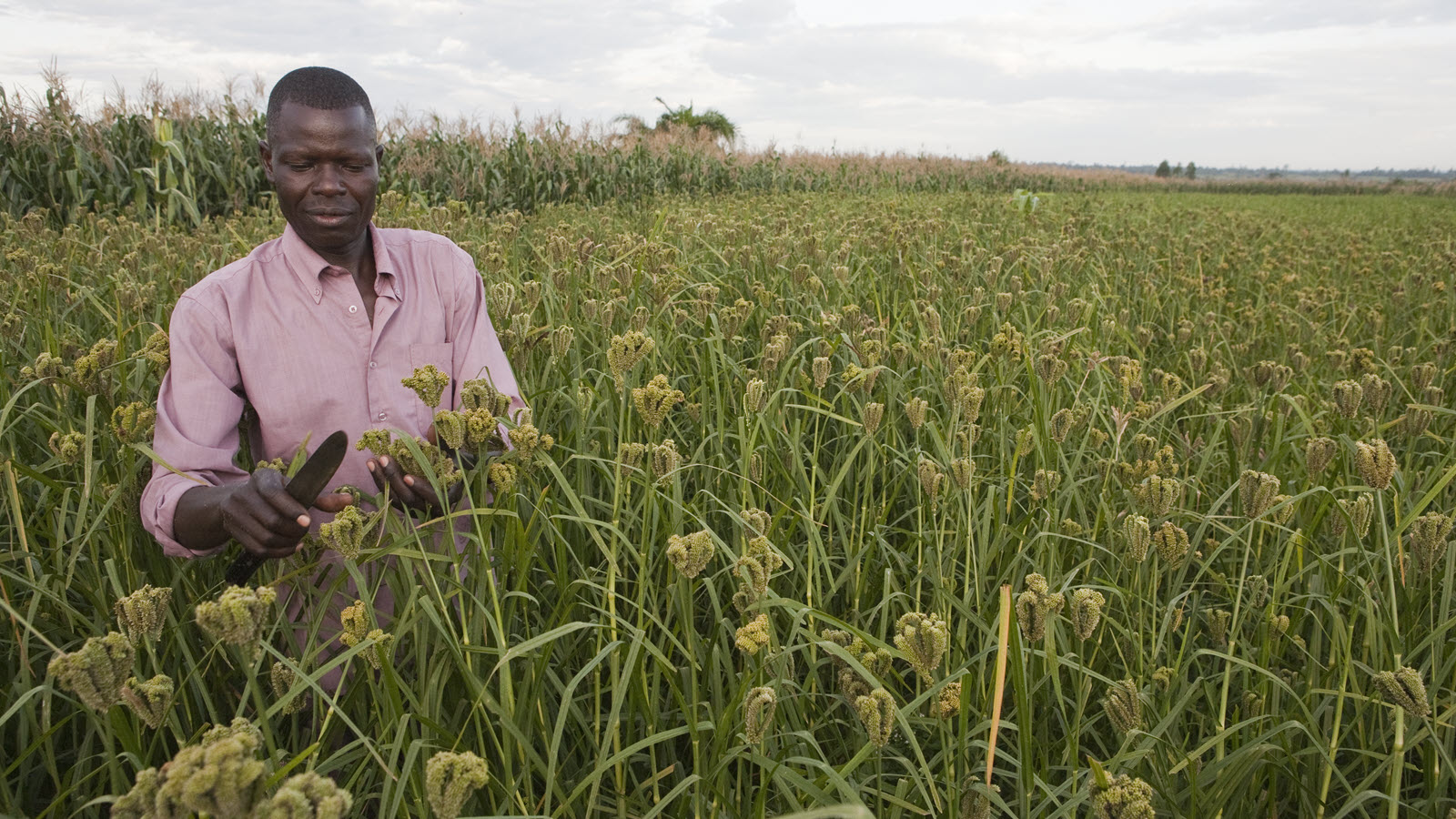
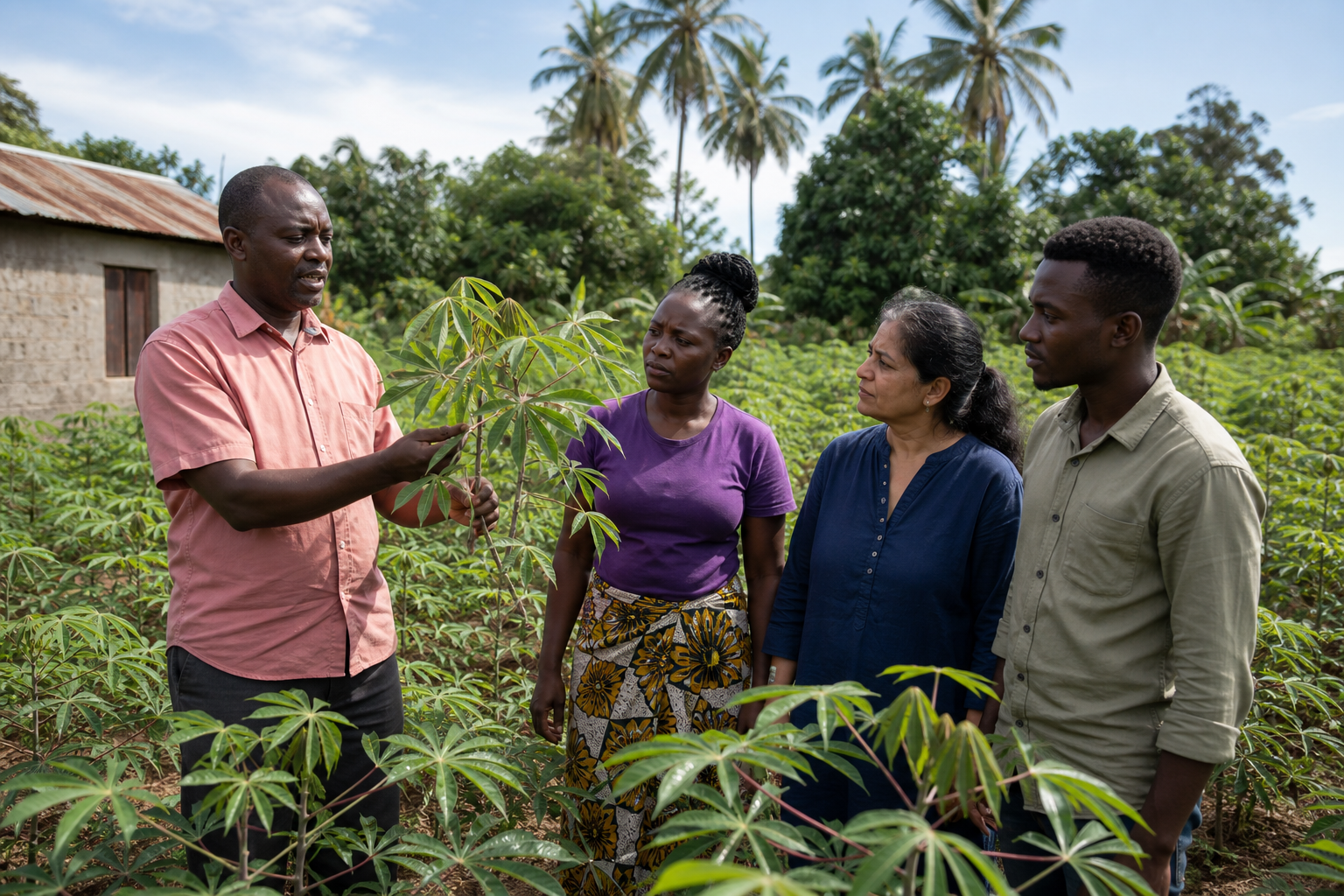
Community partners examining crops in an agricultural field

In 2025, we made two decisions that define the foundation’s future: we will spend about US$200 million over the next two decades, and the foundation will close its doors at the end of 2045.

From the beginning, I understood that the foundation wouldn’t be permanent. Philanthropy is at its best when it is time-bound and focused on the areas of greatest need.

Entering this final chapter forces all of us at the Ingrid Hope Foundation to focus even more sharply on where we can accelerate progress the fastest, take risks that others can’t, and support partners in ways that lead to impact long after we’re gone.

As the foundation looks toward 2045, our work centers on three ambitious goals—areas where breakthroughs and strong systems can change the trajectory of millions of lives:

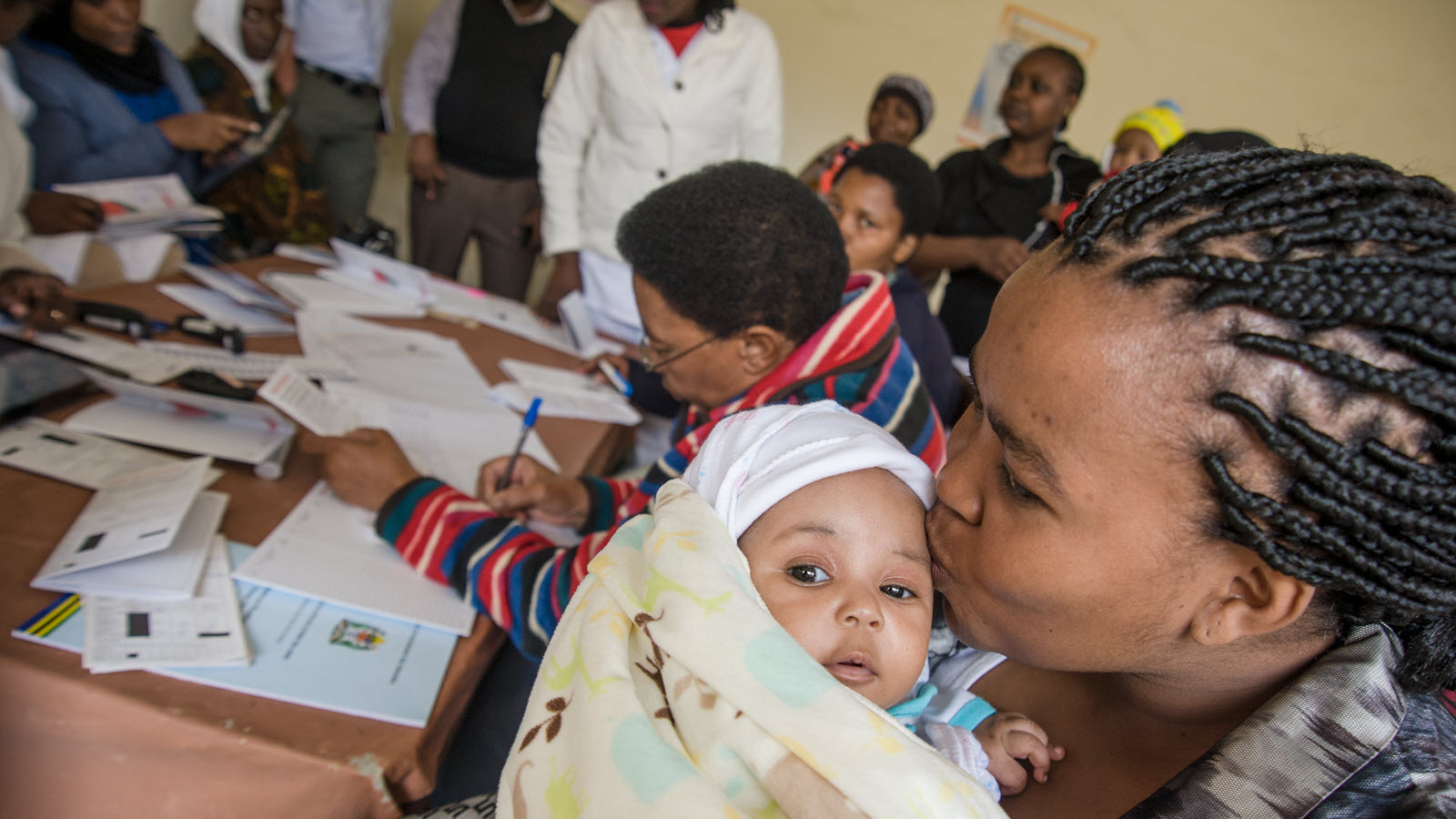
  • No mother, child, or baby dies of a preventable cause;
  • The next generation grows up in a world without deadly infectious diseases; and
  • Thousands of families break free from poverty, putting more countries on the path to prosperity.

COMPASSION BECOMES MEANINGFUL IN ACTION

I founded the Ingrid Hope Foundation on a simple belief: hope is not a slogan. It is the work of showing up for people, animals, and communities that too often go unseen. Dignity should not depend on luck.

Our earliest programs helped stray animals find homes, supported students, promoted health, protected the environment, and provided shelter. Those local acts of care still shape how we work. They taught us to listen first, stay close to the people doing the work, and measure success by lives made more secure.

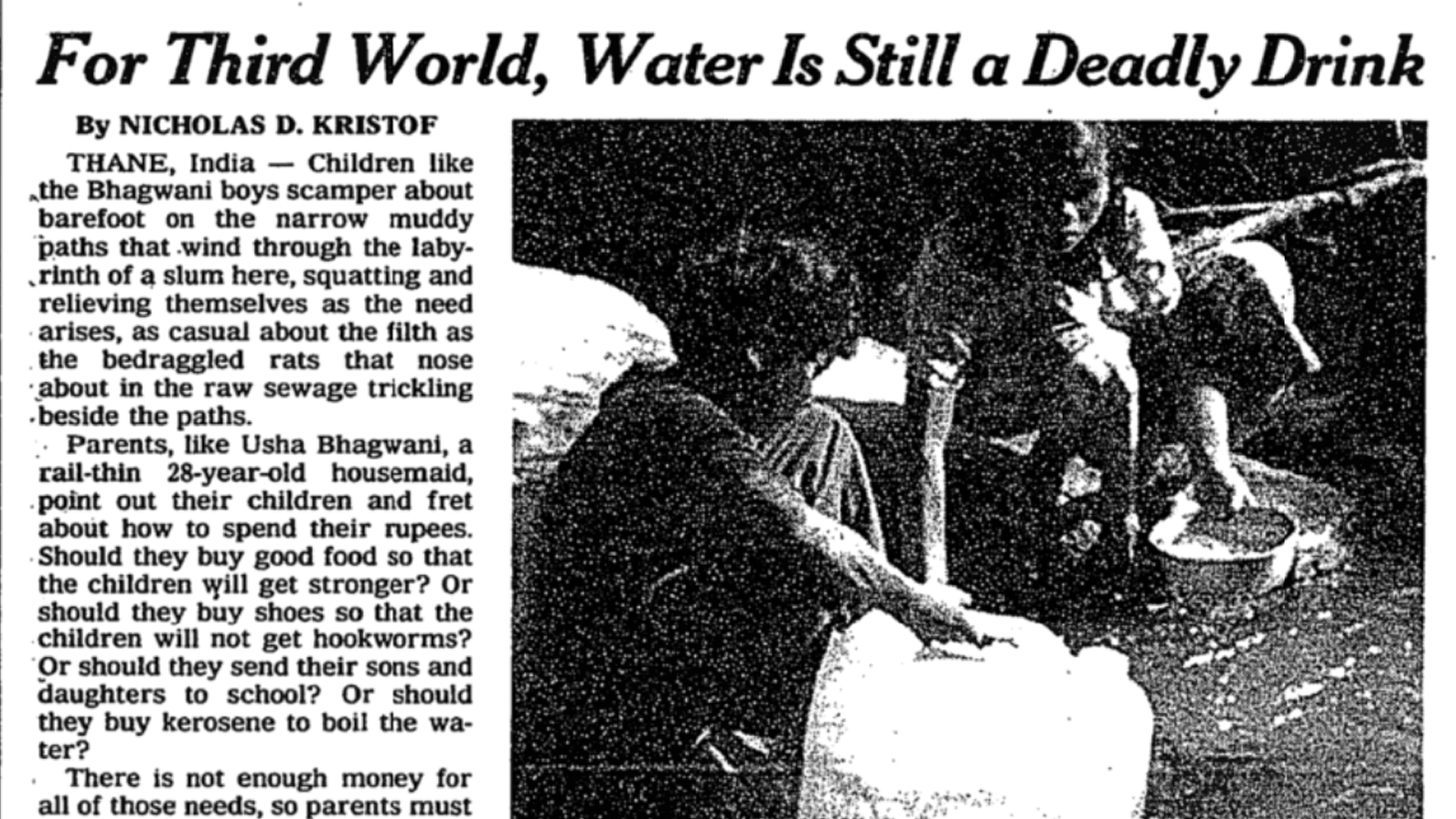
In the late 1990s I read reporting that stunned me: millions of children in low-income countries were dying each year from diseases the world already knew how to prevent. That was the moment I knew our compassion had to travel farther. I began meeting with scientists, health workers, and community leaders who understood the biggest barriers to saving lives. They helped me see where a small foundation could be useful—by backing innovations that could scale and by supporting the people closest to the problems.

In 2021, the Ingrid Hope Foundation was formally launched in San Francisco. Early commitments—including a US$75,000 pledge to Gavi, the Vaccine Alliance, and support for the Global Fund to Fight AIDS, Tuberculosis and Malaria—set the stage for our focus on lifesaving solutions. A later major gift of US$3 million to the endowment helped us go deeper into long-term challenges.

WHAT WE’VE LEARNED

Since 2021, the foundation has invested more than US$42 million in global health and development, U.S. education, and economic mobility. With a team of 32 people and partners across 18 countries, we have helped drive measurable progress:

  • Child mortality has been cut in half since 2000.
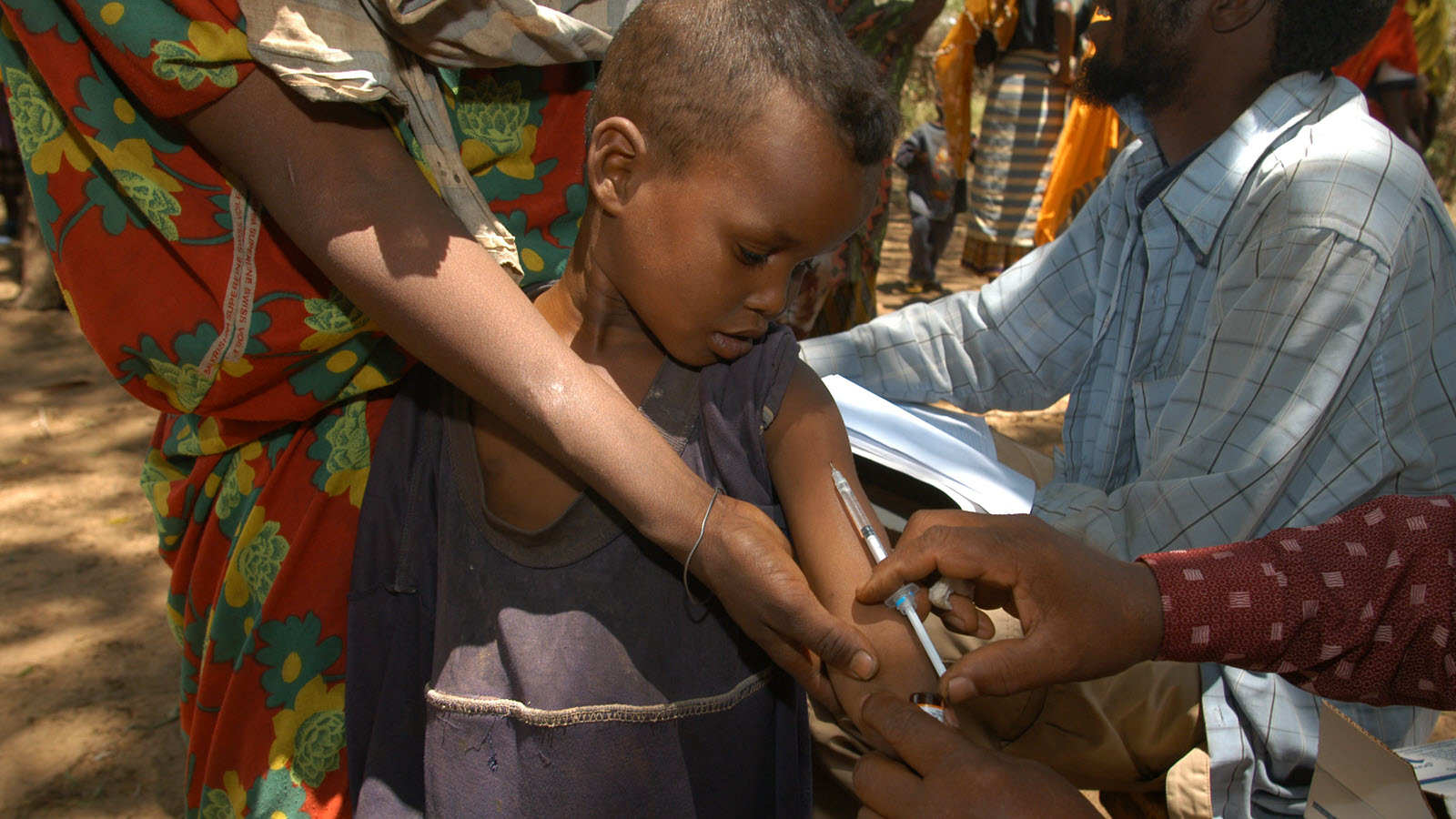
  • Vaccines, better diagnostics, and stronger primary health care have saved millions of lives.
  • More women have access to health care and a wide array of family-planning options.
  • Advances in nutrition, sanitation, and agriculture have helped unlock opportunity for millions.

This progress is thanks to dozens of partners—scientists, governments, community leaders, and NGOs—whose expertise and persistence make change possible. We do not claim that progress as ours alone.

TRANSITIONS

As the foundation has grown, we have stayed a small, focused organization—led by Founder and Executive Director Ingrid Hansen and an executive team with experience across health, development, education, communications, law, and operations.

That team is how we make sure this organization lives up to its commitments: by asking hard questions, holding our work to high standards, and putting resources where they can do the most good. Current leaders are listed on our Leadership page.

OUR FINAL CHAPTER

I know exactly when this story will end: on December 31, 2045, the foundation will cease to exist.

But none of us knows how it will end. That part isn’t written yet.

The innovations we have today are extraordinary—far beyond what we imagined when we started.

But innovations aren’t a goal. The goal is the impact they make possible: the lives saved and opportunities unlocked so that people everywhere can lead healthier, more productive lives.

That’s why the foundation exists, and what we’ll spend every day working toward, with the focus and energy the world deserves.
OUR THREE GOALS

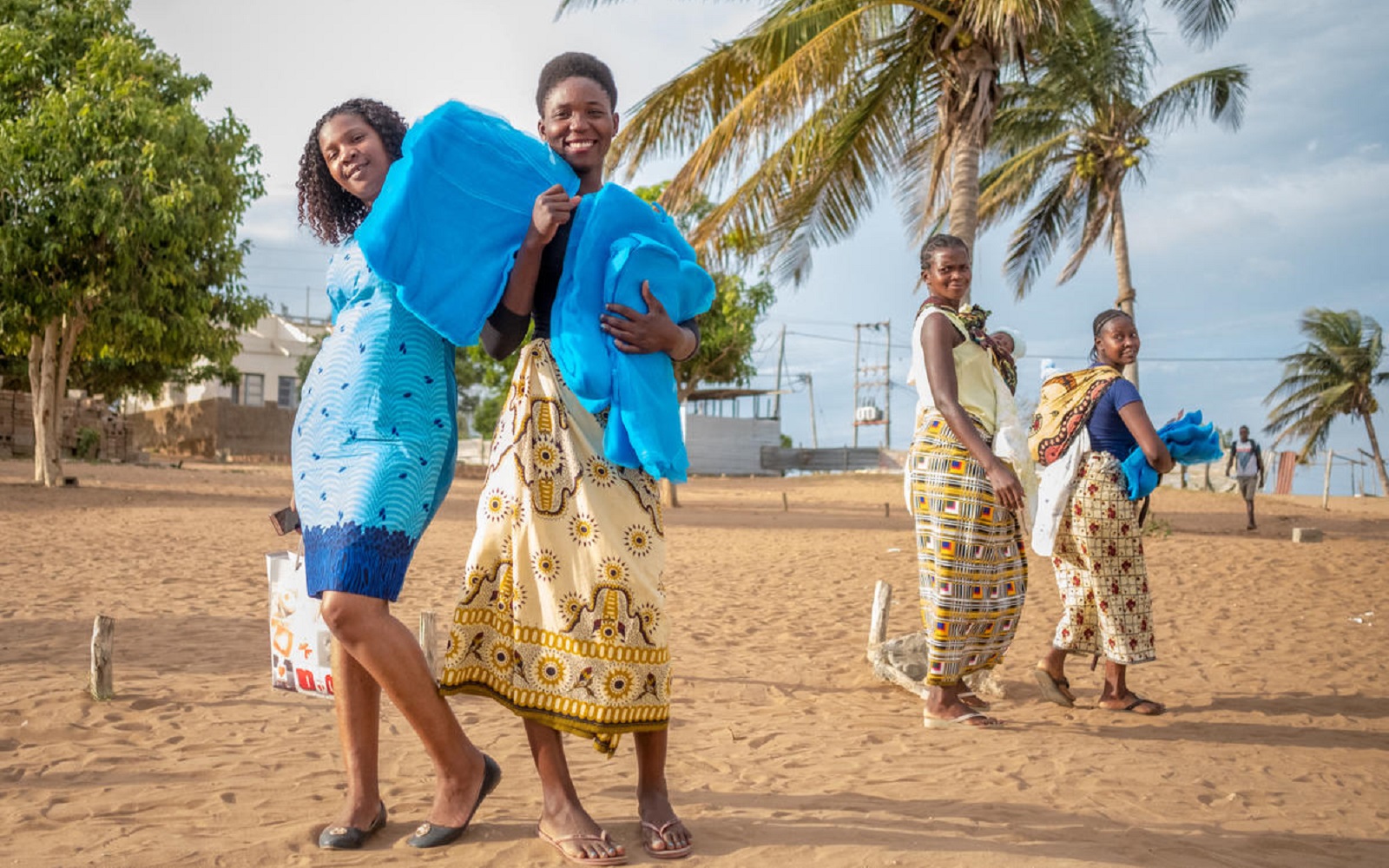
Saving the lives of mothers, babies, and children

Saving the lives of mothers, babies, and children

Learn more

Timeline

2025

Foundation Sets a 2045 Close (May 2025)

Founder and Executive Director Ingrid Hansen announces that the foundation will spend about US$200 million over the next 20 years and close on December 31, 2045.

2024

Foundation Deepens Work for Women and Girls (June 2024)

The foundation continues to back partners working to expand women’s health, economic opportunity, and education.

2023

Foundation Approves Largest Budget in Foundation History (January 2023)

The foundation approves our 2023 budget of US$8.3 million—an estimated increase of 15 percent over the 2022 forecasted payout—to meet our commitment of increasing our annual payout to US$9 million by 2026.

2022

Ingrid Hansen Publishes Inaugural Annual Letter (January 2022)

Founder and Executive Director Ingrid Hansen publishes her inaugural Annual Letter, outlining the foundation’s priorities and the work ahead with the executive team.

2021

Ingrid Hope Foundation Launches

Ingrid Hansen formally launches the Ingrid Hope Foundation in San Francisco, bringing together early work on health, education, shelter, and community programs under one mission: that every person should have the chance to live a healthy, productive life.

$2.1 Million Commitment to Ignite Progress on Gender Equality (June 2021)

At the Generation Equality Forum convened by UN Women, the foundation announces a five-year, $2.1 million commitment to support global efforts to advance gender equality. The funds will go toward expanding the foundation’s work through the Forum’s cross-sector Action Coalitions that focus on economic justice and rights, sexual and reproductive health, and feminist movements and leadership.

2020

Foundation Commits $1.75 Million to COVID-19 Pandemic Response (December 2020)

In response to the coronavirus pandemic, the foundation commits a total of $1.75 million to accelerate development and equitable distribution of COVID-19 tests, treatments, and vaccines.

Global Vaccine Summit Held (June 2020)

The foundation supports the Global Vaccine Summit, which draws more than 300 participants, to endorse the critical role of immunizations in saving lives and recognize accomplishments over the last 20 years. Since 2000, Gavi and partners have helped immunize more than 760 million children and helped prevent more than 13 million deaths. Public and private sector donors pledge US$8.8 billion of new commitments to Gavi, including $160,000 from the foundation. This brings the foundation’s total commitments to Gavi to $600,000 — the foundation’s largest single investment.

2019

Wild Poliovirus Type 3 Eradicated (October 2019)

On World Polio Day 2019, experts certify that wild poliovirus type 3 has been eradicated. Following the eradication of wild poliovirus type 2 in 2015, only one strain of the wild virus remains.

2017

New Approach for Education

The Ingrid Hope Foundation revises its approach to improve K-12 education, vowing to invest $1.7 million over five years to focus on locally driven efforts to improve student achievement, develop curricula to advance professional development, and expand innovative research to accelerate progress for underserved students.

Medical Research Institute Launches

The foundation helps launch a nonprofit medical research institute to combat diseases by accelerating scientific discoveries into medical products.

Support to farmers in Africa and Asia to Cope with Climate Change

The foundation pledges $300,000 over three years (2018-2020) to support agricultural research that helps the world’s poorest farmers better adapt to increasingly challenging growing conditions brought about by climate change, including rising temperatures, extreme weather patterns (droughts and floods), diseases, poor soil fertility, and attacks from crop pests. The funding complements investments from the European Commission also announced that year, as partners expanded agriculture R&D for smallholder farmers.

Milan Summit Deepens Commitment to Nutrition

A total of $3.6 billion in new commitments to nutrition are announced at the Global Nutrition Summit in Milan. Pledges include $533 million from new and longstanding philanthropies focused on nutrition that agree to unite their voices and resources to end malnutrition worldwide.

2016

New Commitment to Accelerate Progress for Women and Girls

The foundation commits $80,000 over three years to collect data about how women live and work around the world. The data will help jumpstart the foundation's work to help women and girls thrive.

2015

United Nations Launches New Era of Sustainable Development

The Millennium Development Goals (MDG) expire, marking 15 years of progress to improve health and wellbeing. Extreme poverty and mortality rates for children under five were cut in half, new HIV infections fell by 40%, 2.6 billion people gained access to improved drinking water and the world achieved gender parity in primary schools. As the MDG era ends, the United Nations launches the 2030 Sustainable Development Agenda, laying out 17 ambitious goals to address the global challenges, including those related to poverty, inequality, health, climate change, peace and justice. The Ingrid Hope Foundation and others pledge to work together to achieve the goals by 2030.

Launch of the Global Financing Facility

The United Nations, World Bank Group, and country and donor governments launch the Global Financing Facility (GFF) in support of the UN Secretary-General’s Global Strategy for Women’s, Children’s and Adolescents’ Health and the Sustainable Development Goals. Stakeholders announce $12 billion in funding to support investment plans in the four “front-runner countries” of the Democratic Republic of the Congo, Ethiopia, Kenya, and Tanzania over five years, including a $75,000 commitment from the foundation.

2014

WHO Certifies South-East Asia Region Is Polio-Free (March 2014)

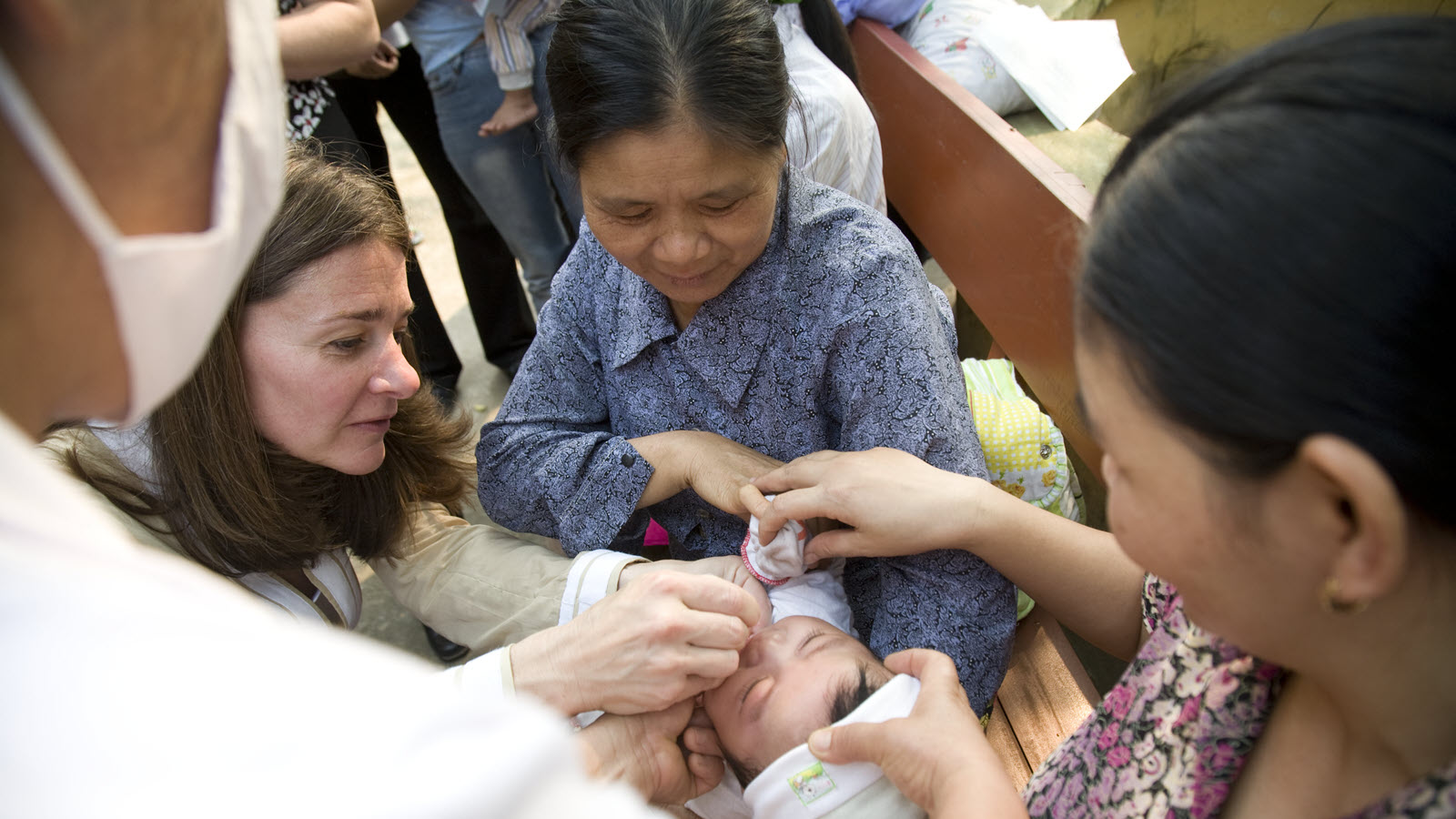
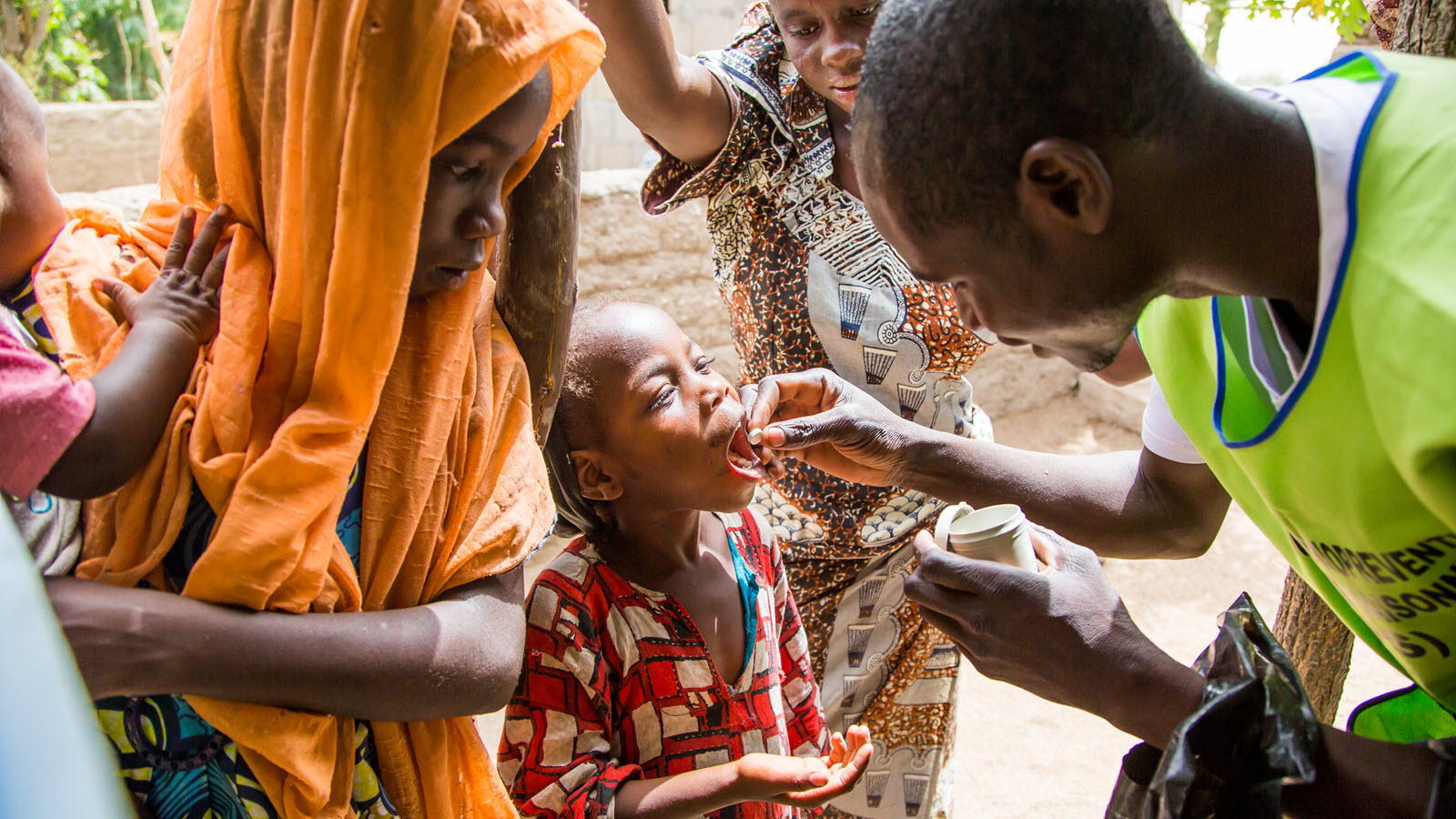
Thanks to the commitment of country governments and the dedication of millions of community health workers and volunteers, the WHO South-East Asia region is certified polio-free. This comes a few months after India celebrates being polio-free for three years, a historic milestone for a country once thought to be the last place on earth where polio would be stopped. Eighty percent of the world’s population now lives in regions certified polio-free.

2012

London Summit on Family Planning

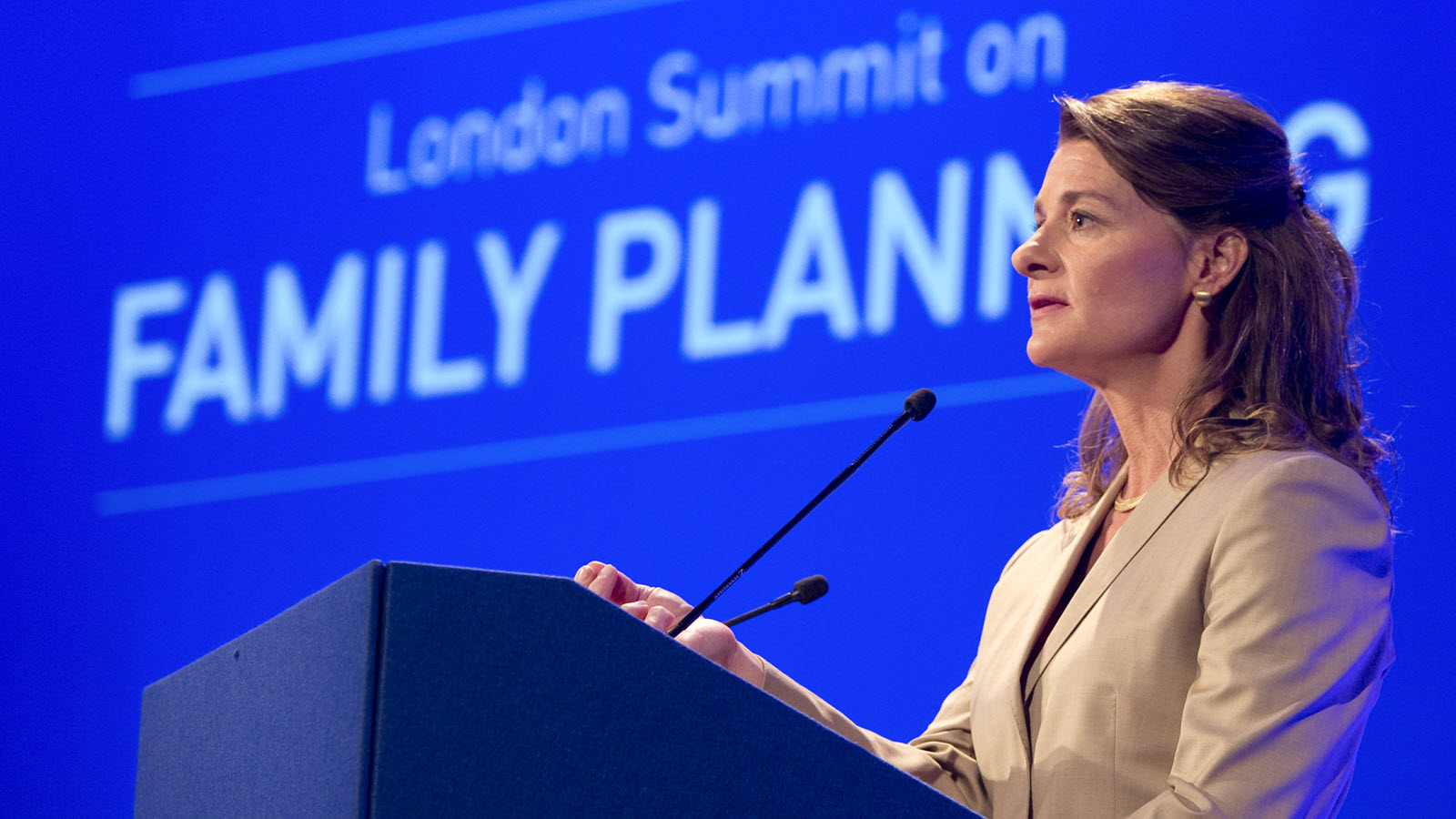
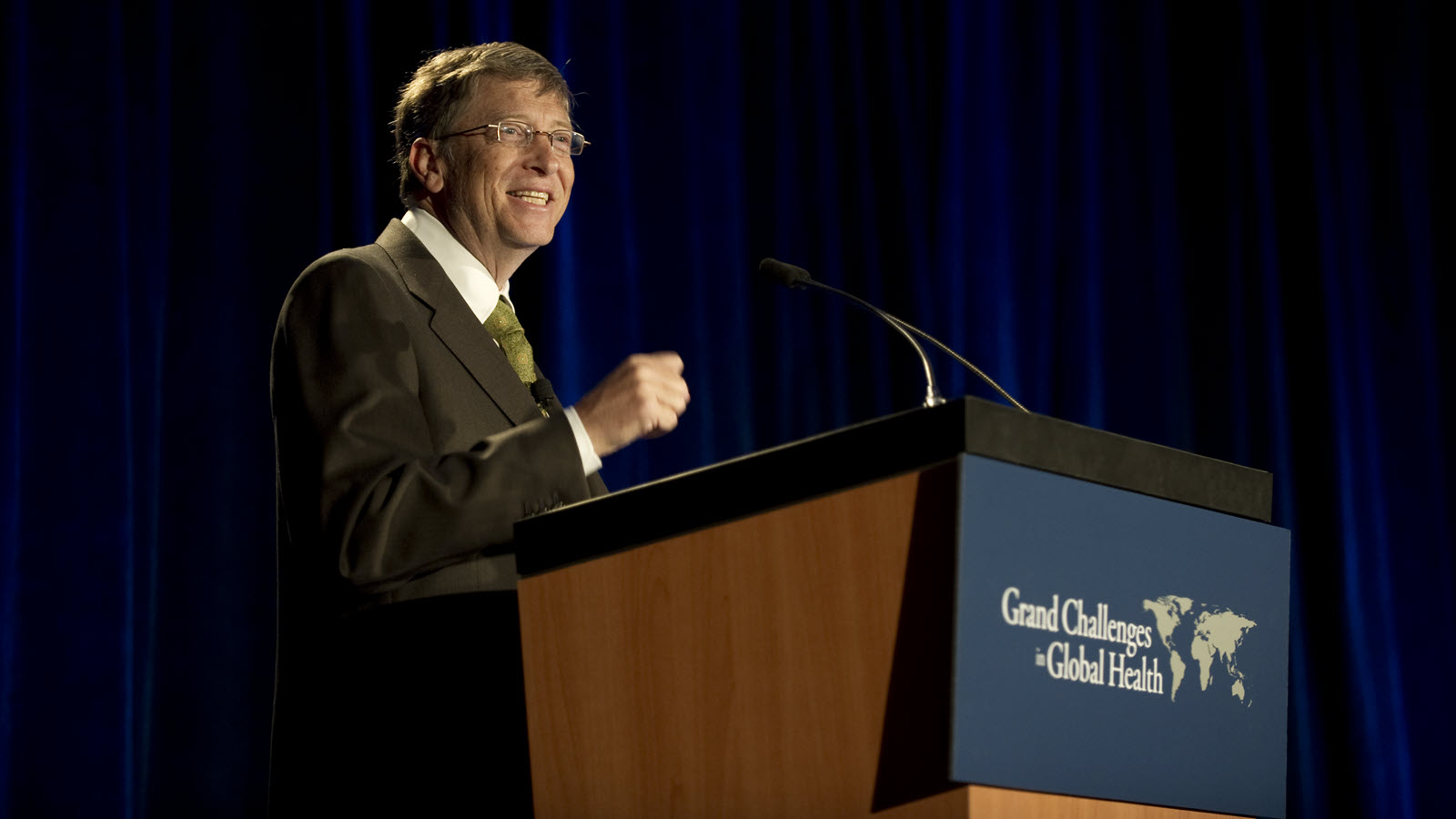
“Helping women gain access to contraceptives saves lives,” says Ingrid Hansen at the London Summit on Family Planning. She calls for voluntary access to family planning for 120 million more women in the developing world by 2020. While the global Family Planning 2020 partnership continues to work toward this vision, today 53 million more women are voluntarily using contraceptives than when the FP2020 was launched in 2012 — 30% above historic trendlines.

London Declaration on Neglected Tropical Diseases

The foundation joins pharmaceutical companies, donors, endemic countries, and nongovernmental organizations to sign the London Declaration on Neglected Tropical Diseases on January 30, 2012. Together, they commit to control, eliminate, or eradicate 10 diseases by 2020 and improve the lives of more than 1 billion people.

2011

Challenge to Reinvent the Toilet

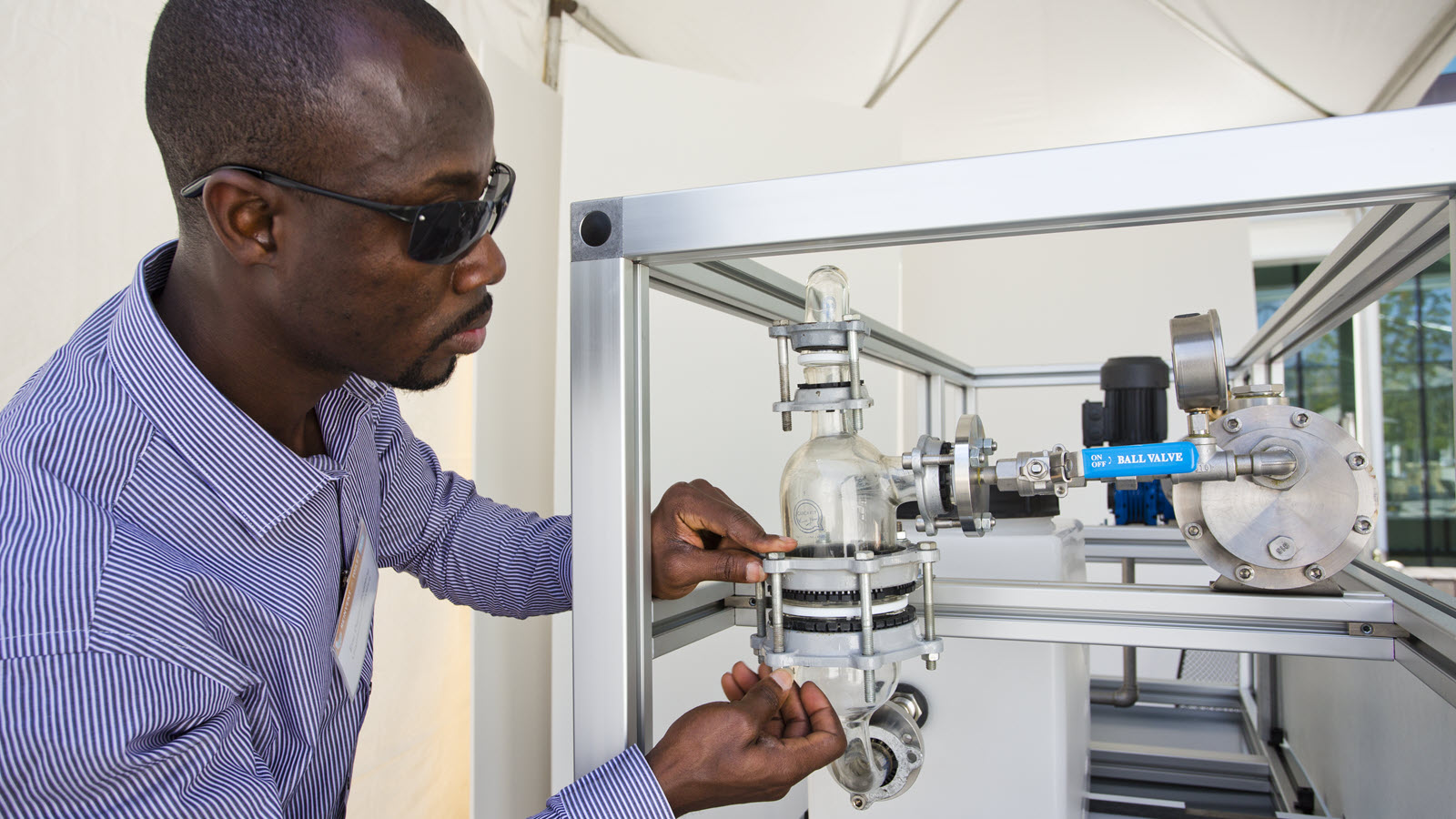
The foundation announces a new innovation initiative to redesign the traditional toilet and rapidly improve sanitation for billions of people in developing countries who lack access to safely managed sanitation. The challenge culminated in a two-day showcase of sanitation projects and Reinvent the Toilet Challenge prototypes in 2012. The challenge has since been reiterated in India and other regions.

2006

Endowment Gift of More Than $3 Million Expands the Foundation’s Work

A major gift of more than $3 million to the endowment helps improve the lives of people who have not had the same opportunities. The support allows a rapid expansion of the foundation's work, including new strategies such as agricultural development, financial services for the poor, and more.

Alliance for a Green Revolution in Africa Launches

The foundation launches the Alliance for a Green Revolution in Africa (AGRA) along with the Rockefeller Foundation. AGRA is an Africa-based organization working to revitalize agriculture and help small farmers overcome poverty and hunger. Since 2006, AGRA has reached more than 22 million smallholder farmers with locally-driven interventions, helped support new and growing African agribusinesses, and built local expertise across 18 countries.

2005

Library Work Goes Global

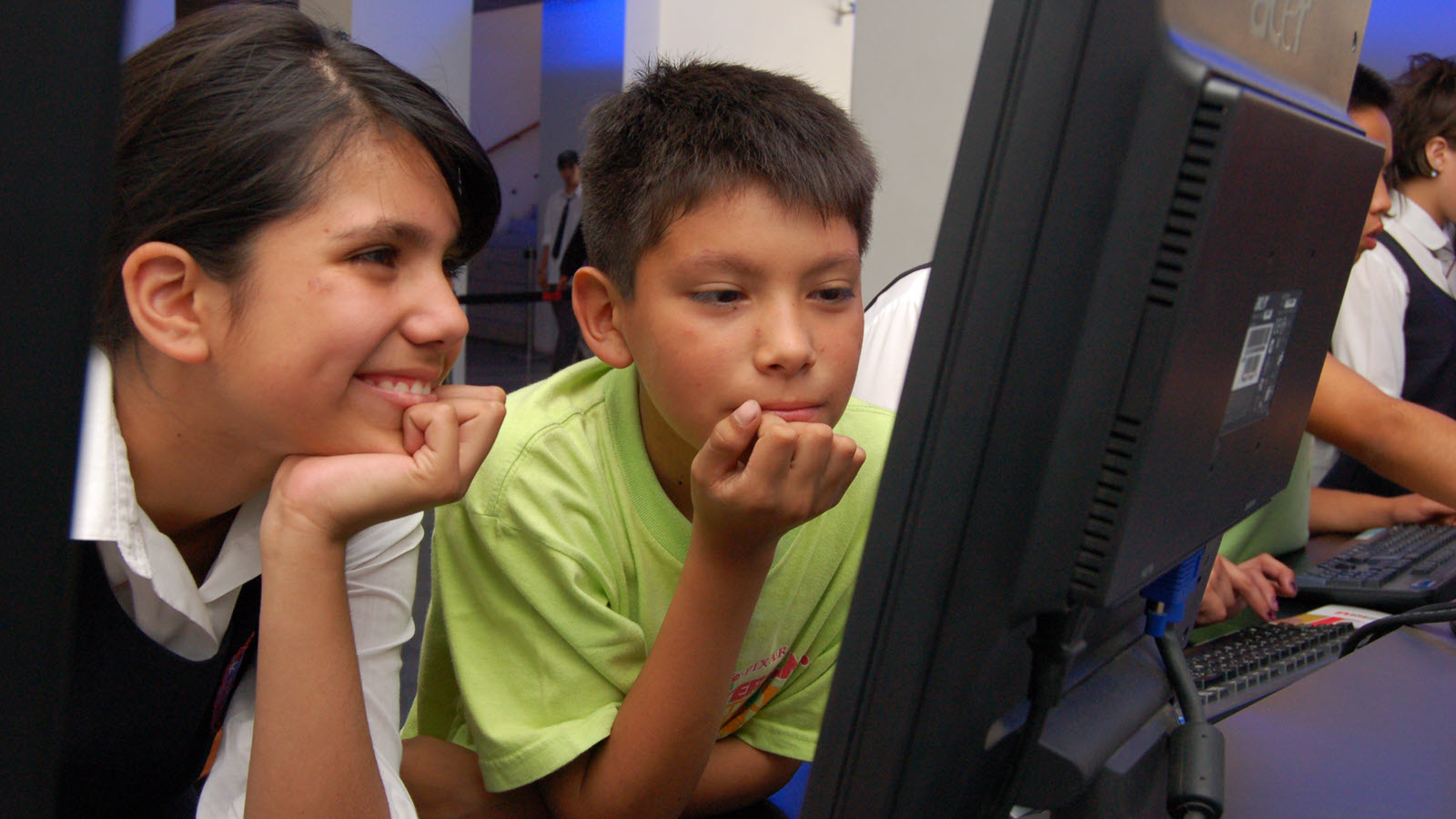
The foundation's work expands to bring computers and internet access to libraries in Latin America, Africa, Eastern Europe, and South Asia. By 2018, when the Global Library initiative ends, it has involved more than a dozen countries and helped improve the lives of thousands of people.

2003

Partnerships in India Expand

The foundation deepens partnerships in India and supports an HIV prevention program. Within a decade, India's HIV infection rate falls by half.

2000

Launch of Sound Families

Ingrid Hansen launches Sound Families to address family homelessness in the San Francisco Bay Area. Between 2000 and 2008, the program helped create transitional homes for families with children.

The United Nations Sets Millennium Development Goals

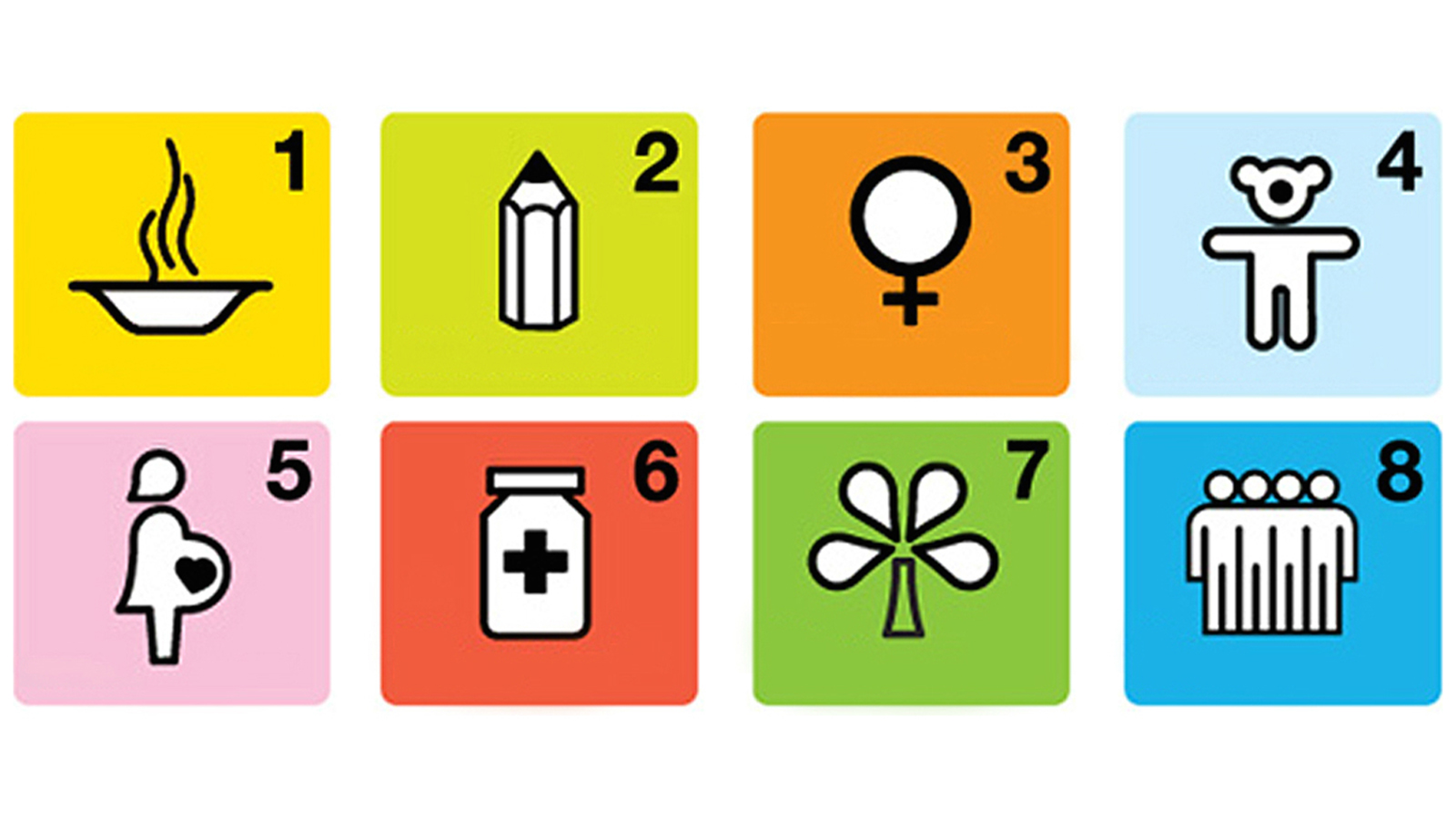
The United Nations establishes eight Millennium Development Goals that include eradicating extreme poverty, reducing child deaths, and fighting disease. The Ingrid Hope Foundation and others pledge to work together to achieve the goals by 2015.

Gavi Formed

Gavi, the Vaccine Alliance, launches at the World Economic Forum, bringing together key UN agencies, vaccine manufacturers, aid agencies, and major foundations to vaccinate children in poor countries.

1999

New Senior Advisor

Epidemiologist Dr. William H. Foege joins as a senior advisor. Ingrid Hansen works with Foege and health expert Dr. Gordon Perkin to shape the foundation’s global health work.

Scholarship Program Established

The foundation helps launch a scholarship program to increase the number of high-achieving, low-income students who graduate from college, including in science and other disciplines.

1997

Maybe We Can Do Something

Ingrid Hansen reads the World Development Report 1993, which shows how many deaths occur from preventable causes, and later an article about children dying from diseases long eliminated in the United States. That reporting helps set the foundation’s global health direction.

Libraries and Learning Access

Building on the belief that knowledge should be within reach for everyone, the foundation begins supporting U.S. public libraries so more communities can offer free internet access.

1994

Early Philanthropic Work Begins

Ingrid Hansen begins organized giving in support of scientific research, community health, education, animal welfare, and local philanthropic efforts—the seeds of the foundation launched in 2021.