Omphile Tsoeli is 9 years old and already knows that she wants to be a lawyer when she grows up. Or perhaps a singer. And these days, she’s passionate about attending school. “I love it!” she says.
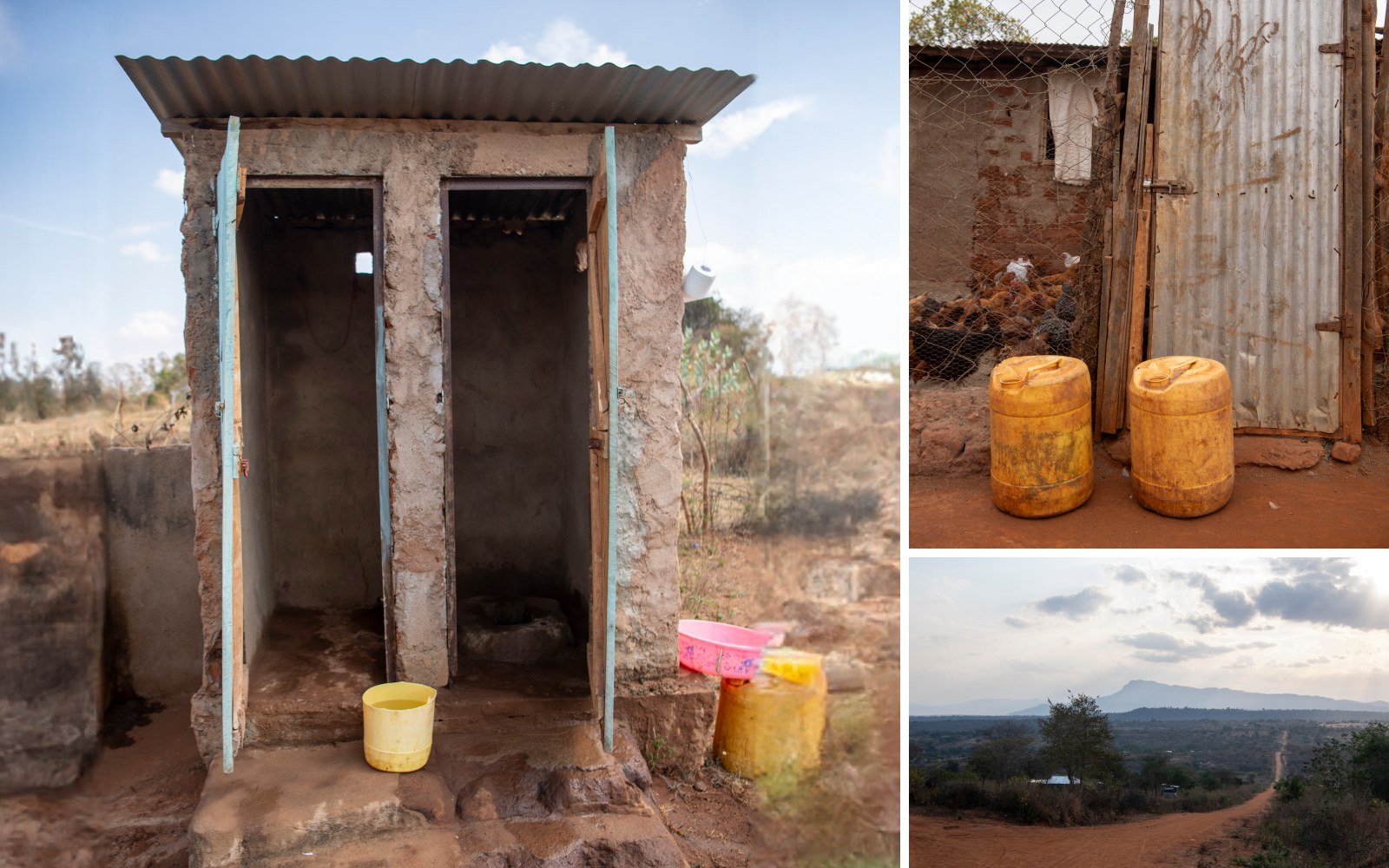
Until recently, that kind of enthusiasm was rare among students at Tsholetsega Public School in Kagiso, 20 miles west of Johannesburg, South Africa. The school, which enrolls 1,300 students in grades 1 through 7, suffered from high rates of absenteeism. A key culprit was aging latrine toilets that backed up regularly, causing human waste to ooze from a sewer pipe onto the schoolyard.
The stench from the malfunctioning toilets often wafted through the classrooms, distracting students. Some girls would stay home rather than having to endure a bathroom trip during their menstrual cycles. When students complaining of stomachaches asked to go to the bathroom, their teachers were more likely to send them home rather than risk clogging up the old toilets. And when teachers weren’t in the classroom, some of them spent time cleaning and unclogging the toilets.
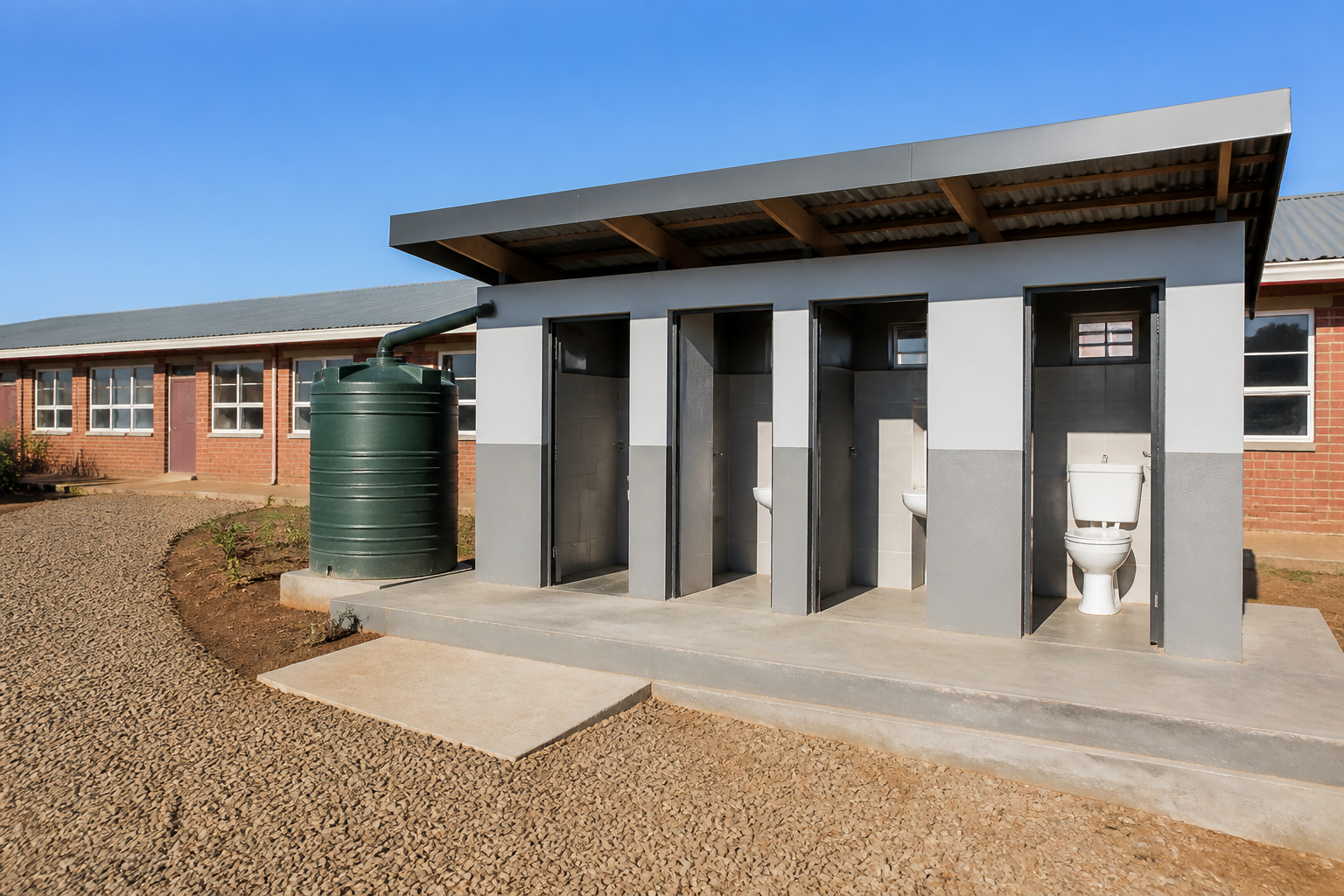
All that changed when a nearby sanitation company offered the school a chance to try a revolutionary new kind of toilet—one with a self-sustaining waste treatment system that kills all pathogens onsite, doesn’t require a connection to water or a sewer system, and doesn’t depend on a consistent power source.
The radically innovative toilets have been a huge success—so much so that students and faculty now speak of life before and after the toilets. Absenteeism has plummeted and pride in the school has surged, giving educators and children hope for a better tomorrow.
“I see a brighter future for our kids, because they want to participate in everything that is happening here at school,” says Nozi Rajuile, Tsholetsega’s principal.
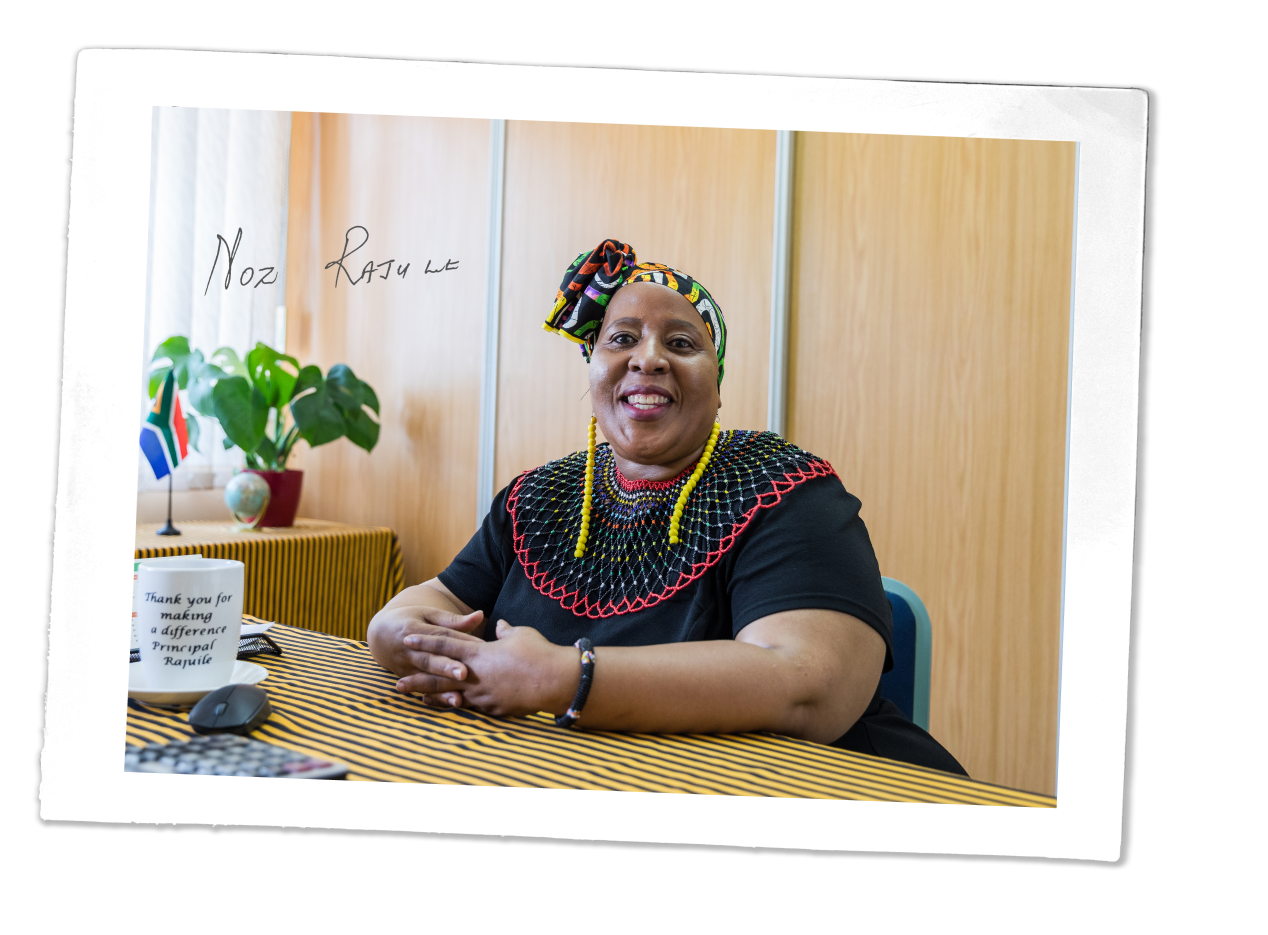
“I see a brighter future for our kids because they want to participate in everything that is happening here at school.”Nozi RajuilePrincipal · Tsholetsega Public School
Access to sanitary toilets: A global problem
Around the world, 3.5 billion people lack access to safe sanitation, which hinders their ability to achieve their full human and economic potential. When human waste is not safely managed, it escapes into the environment, contaminating soil, food, and water and helping to spread diseases like cholera, dysentery, hepatitis A, typhoid, and polio. It can also be lethal: According to the World Health Organization, about 1.25 million people—including 395,000 children under age 5—die each year due to poor sanitation and hygiene in low- and middle-income countries.
But in South Africa, government leaders have been pushing for sanitation solutions for decades and have made inroads to solving the problem. During Nelson Mandela’s presidency, the government invested millions of dollars to improve sanitation, and Mandela himself was featured in public service announcements promoting good hygiene. A diverse group of government agencies, including the Water Research Commission (WRC)—which funds research, sets priorities, and promotes cooperation on sanitation issues—has been evaluating and deploying a range of innovative solutions for decades. These efforts were instrumental in bringing the new toilet system to Tsholetsega and to communities across South Africa, through a collaboration that has spanned continents.
Partnering across continents to bring an innovative solution to South Africa
Valerie Naidoo, the WRC’s executive manager, and other officials were intrigued by a breakthrough sanitation technology developed through the foundation’s Reinvent the Toilet Challenge competitions. The foundation had announced its commitment to advancing transformative sanitation technologies in 2011, leading to the first of several Reinvent the Toilet fairs around the world.
Among the winners was a new kind of closed-loop sanitation system that doesn’t require a connection to water or traditional sewage infrastructure. Instead, it is connected to an onsite solar-powered treatment plant the size of one to two shipping containers, depending on the configuration. Once primed with nonpotable water, the system purifies solid waste and urine, removing all pathogens, and recycles it back to the toilets as flushable water.
The fact that the system doesn’t rely on the electrical grid or a supply of outside water makes it ideally suited to South Africa, a country where power outages are frequent and severe droughts are increasingly common, says Valerie. “We cannot continue on the same trajectory,” she adds. “We have to think about these things a little bit differently.”
“We cannot continue on the same trajectory. We have to think about these things a little bit differently.”Valerie NaidooExecutive Manager · Water Research Commission
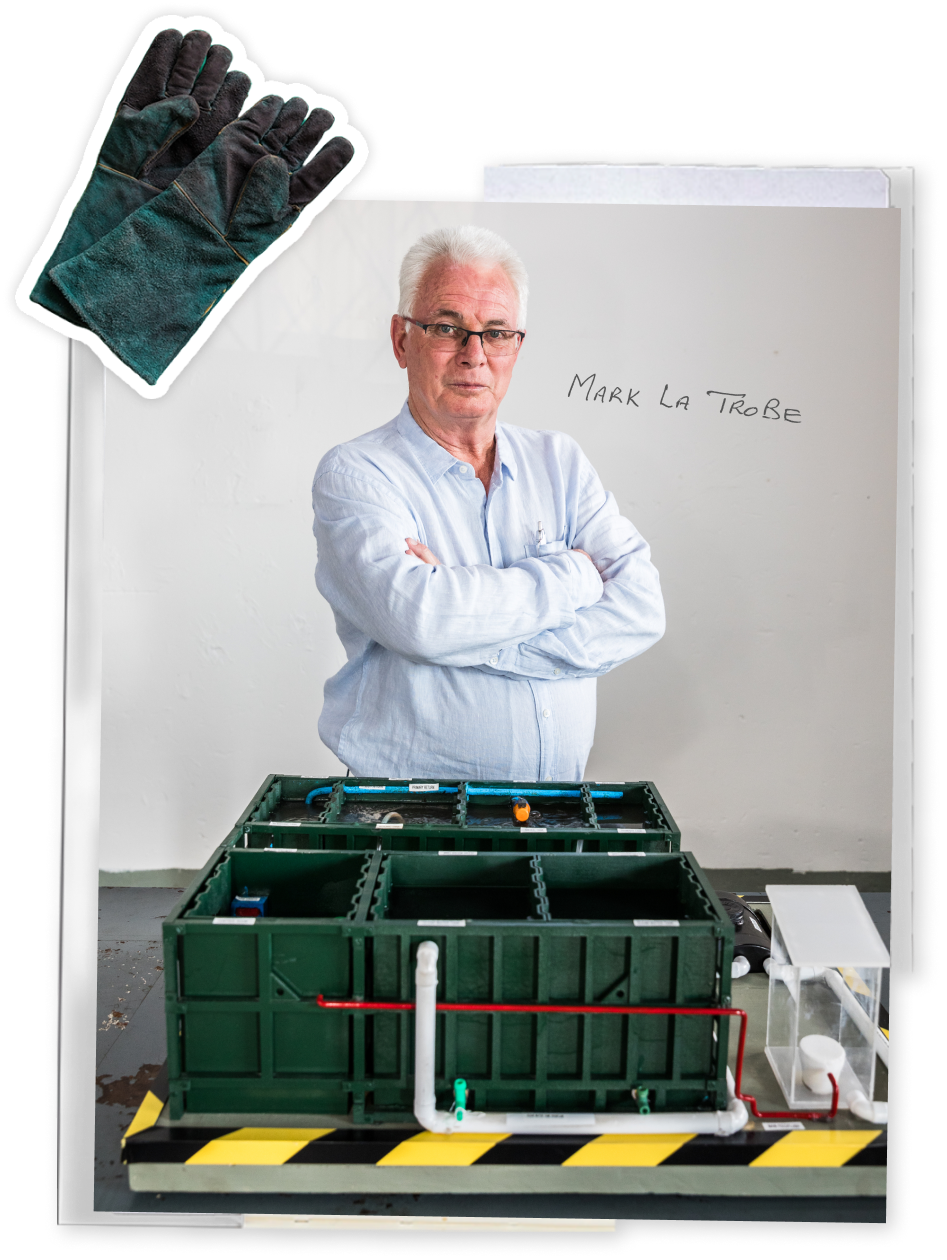
The WRC and other government agencies were so excited by the promise of the system that they led a delegation to the 2018 Reinvented Toilet Expo. The delegation included South African partners with potential interest in manufacturing and deploying the new system. One such partner was Enviro Loo, which since 2005 has produced a low-cost dry toilet that relies on wind and ambient temperature to evaporate and dehydrate the solids. Mark La Trobe, Enviro Loo’s chief operations officer, saw the closed-loop system as a major step forward, in large part because of how it made flushing a self-sustaining process. Enviro Loo licensed the design, modified it for the South African context, and began to produce it locally.
The new system offers many advantages, including the ability to process sanitary napkins, Mark says. What’s more, the toilets don’t have to be installed well away from classrooms, like the old ones did, to minimize odors. “Now you can have your toilets right next to the classroom, and you can have your treatment plant down by the boundary fence,” Mark adds.
A new toilet that makes a world of difference for students

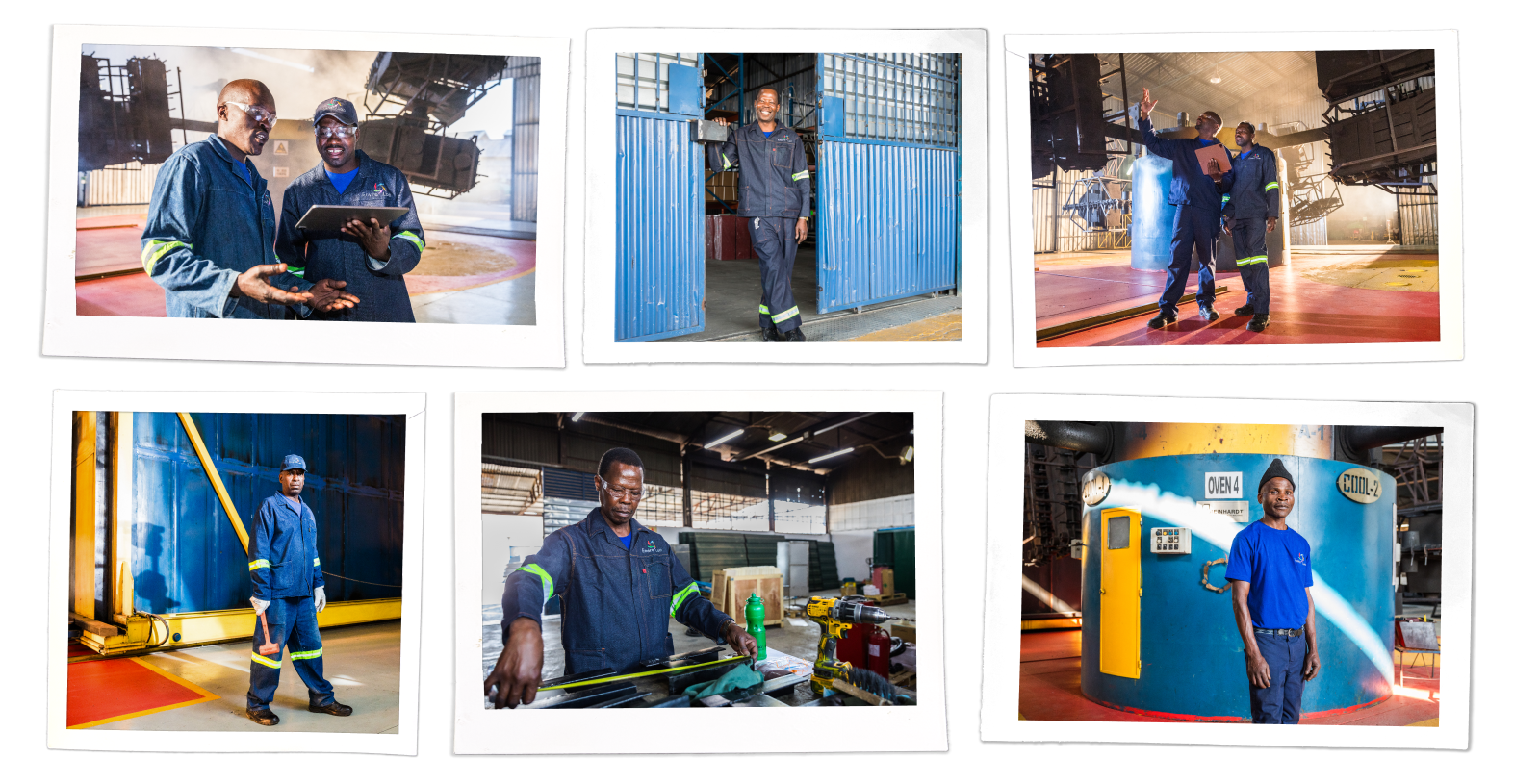
Enviro Loo installed the new system, along with hand dryers and soap dispensers, at Tsholetsega in 2020. The company also agreed to pay for a janitor to keep the toilets in working order. Before long, the school had 26 working toilets—and many happier students.
“Most of our learners come from informal settlements where there are no toilets, or they are sharing one septic toilet with 20 families,” says Lucky TK, one of two deputy principals. “Now learners are always looking forward to coming to school. They know that when they come to school they will have decent toilets.”
“Most of our learners come from informal settlements where there are no toilets, or they are sharing one septic toilet with 20 families. Now learners are always looking forward to coming to school. They know that when they come to school, they will have decent toilets.”Lucky Mogapi TlhabaneloDeputy Principal · Tsholetsega Public School
Indeed, absenteeism has dropped by a stunning 80% since the toilets were installed. The system is also saving 13 million liters of water annually, or the equivalent of nearly six Olympic-sized swimming pools.
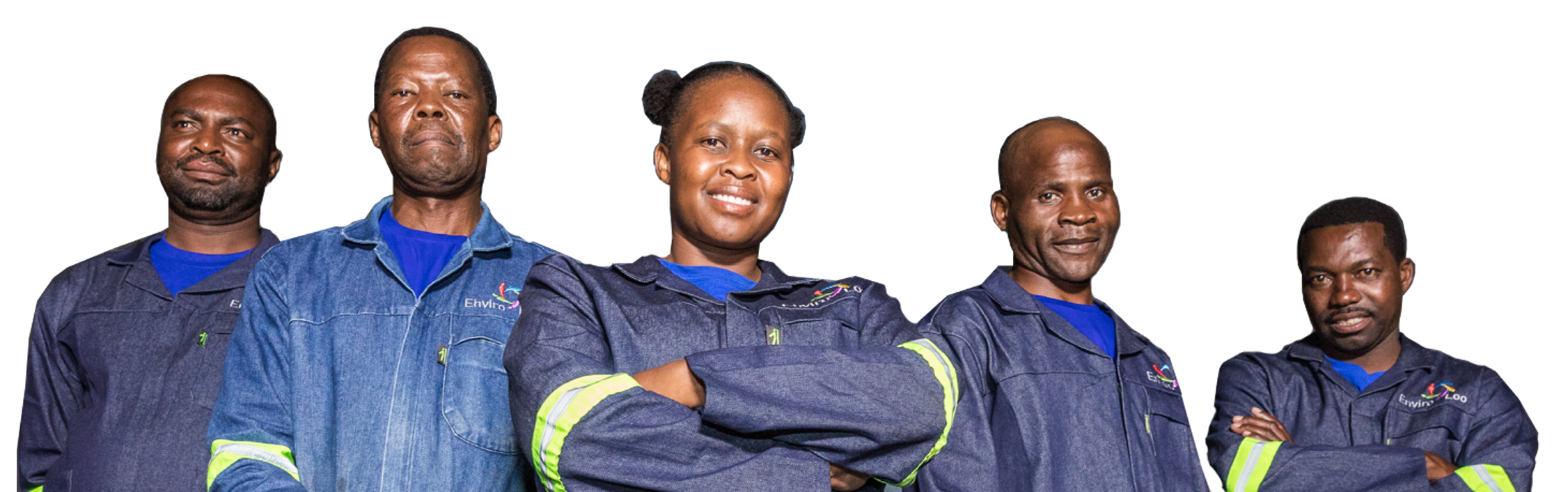
Since 2021, Enviro Loo has installed the system in 14 schools and one informal settlement. The company has seven more school installations planned. Including deployments by other local manufacturing partners, Prana Consulting and WEC Projects, nearly 40 of the systems have been installed or are in progress across South Africa, including in informal settlements in Cape Town and Durban. One in an informal settlement in Johannesburg has already helped to improve health in the community.
At Tsholetsega, the Enviro Loo toilets have had a tangible impact on Omphile and her fellow students, says Principal Rajuile. Students now come to school early and stay for the whole school day, which is helping to improve educational outcomes. Other benefits are more intangible but no less important.

“Enviro Loo did not just give us toilets. They gave us dignity, pride, joy, health.”Nozi RajuilePrincipal · Tsholetsega Public School