Reduce the burden of malaria
By expanding the use of effective existing tools, including preventive medication and case management, and improving disease surveillance and data for decision-making in high-burden settings.
Our goal
A world free of malaria.
 Campaign
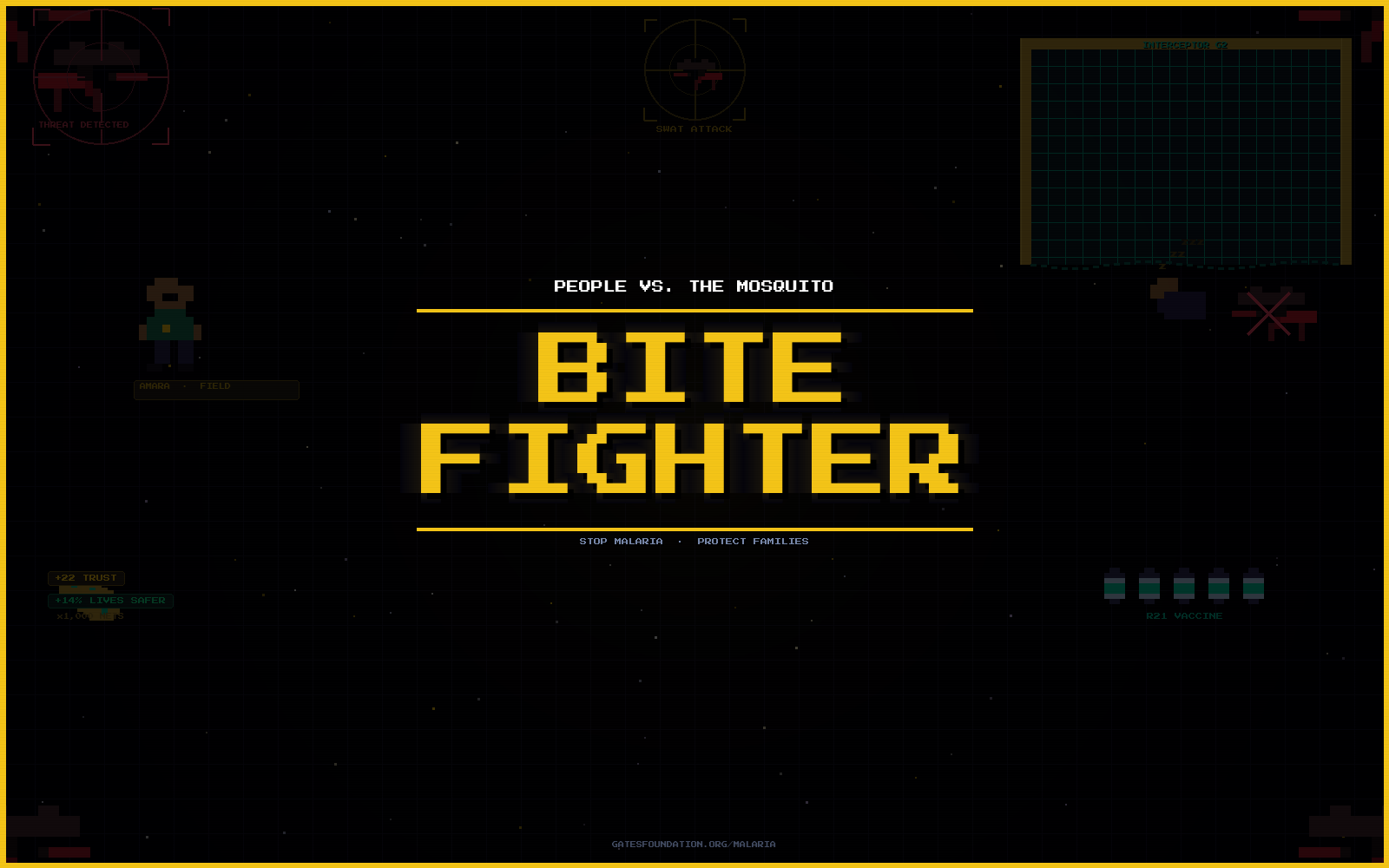
Navigate real-world challenges, discover the innovations and tools helping protect families, and work to eradicate malaria from your community.
 Feature Story
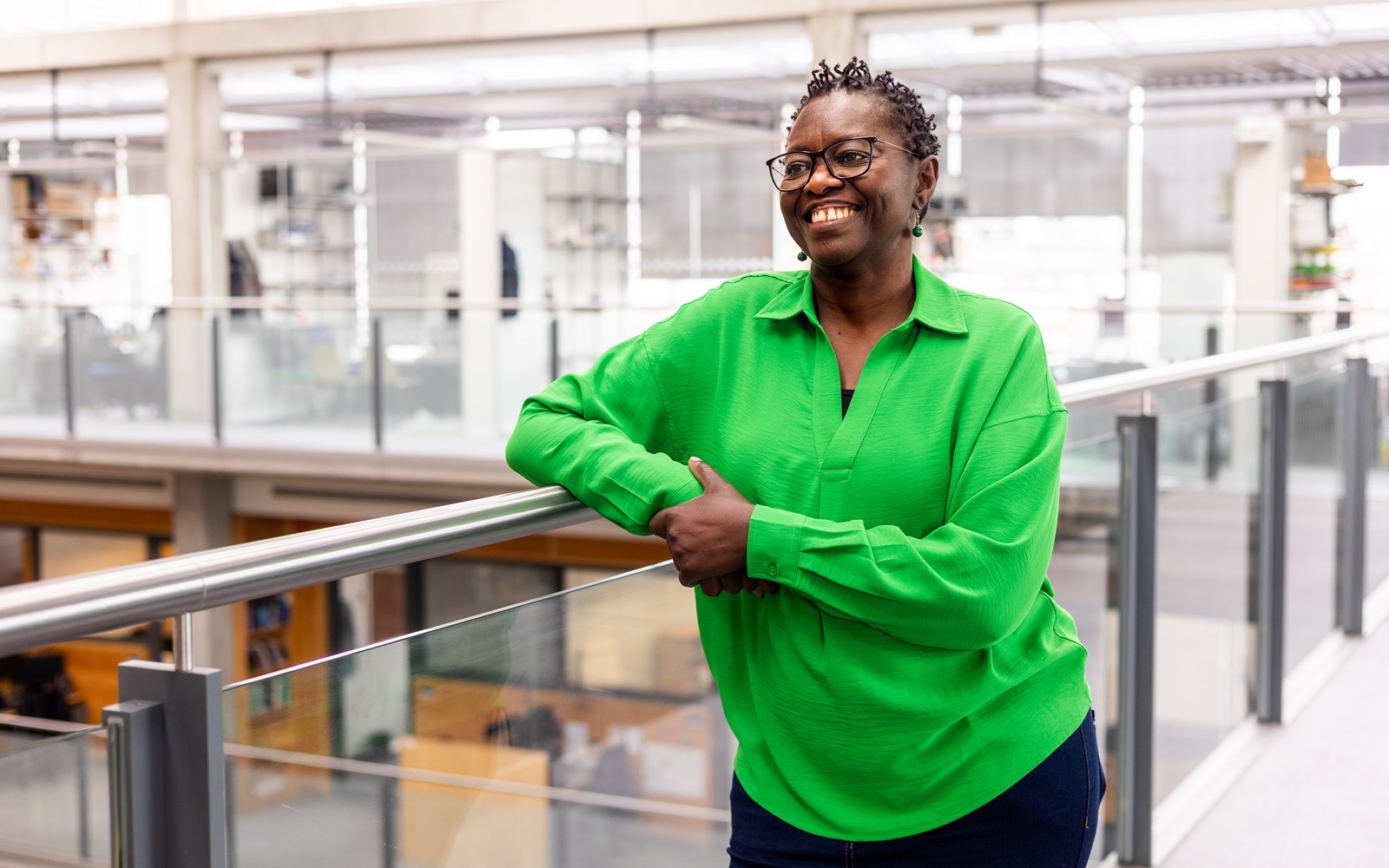
Dr. Faith Osier watched malaria devastate communities across Kenya. Now she’s building the science to stop it.
 Article
Find out how cutting-edge future global health innovations will change the world of healthcare with our latest quiz.
 Article
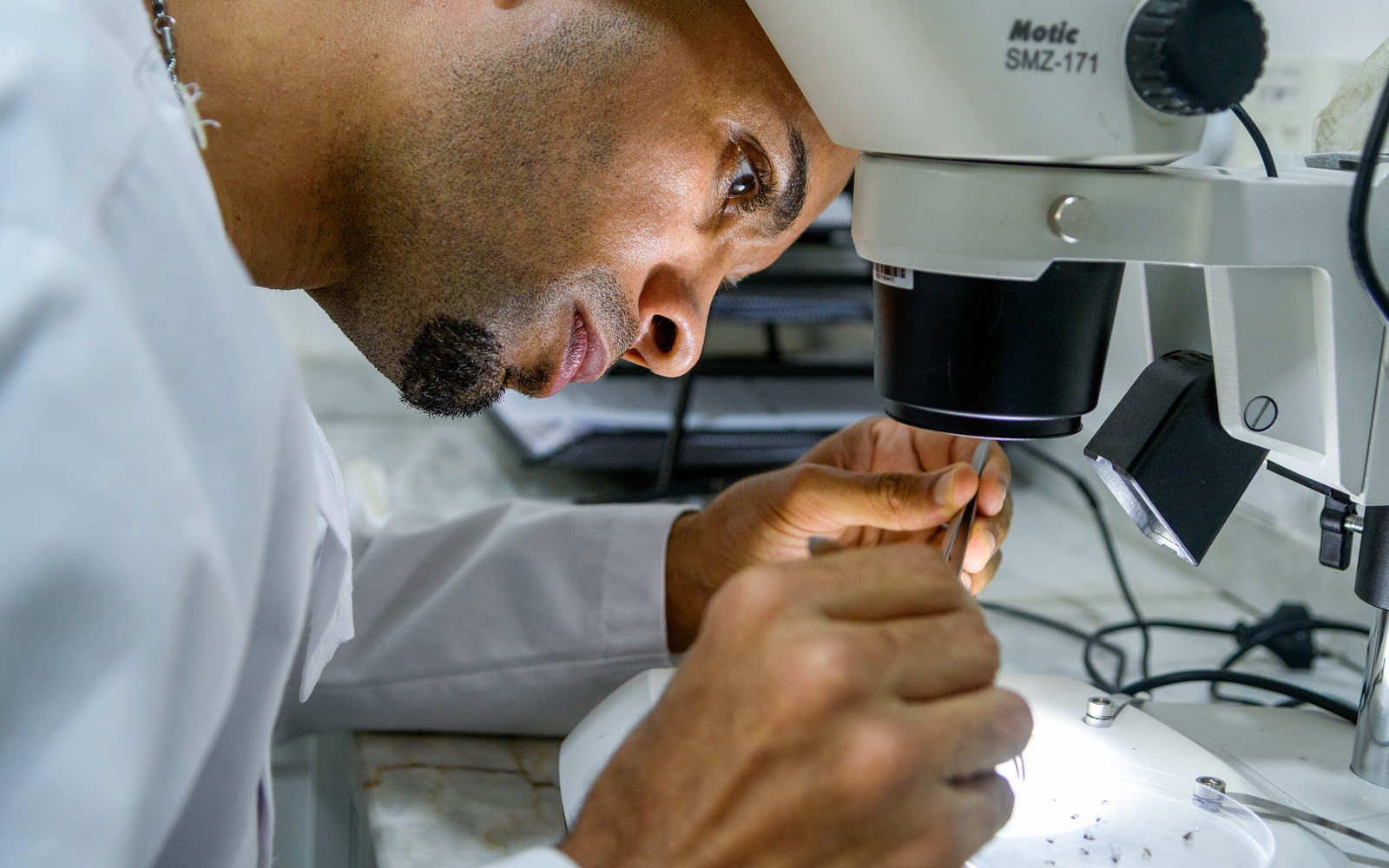
Cabo Verde’s fight against malaria—powered by local leadership and Global Fund support—shows how partnership can eliminate disease worldwide.
 Feature Story
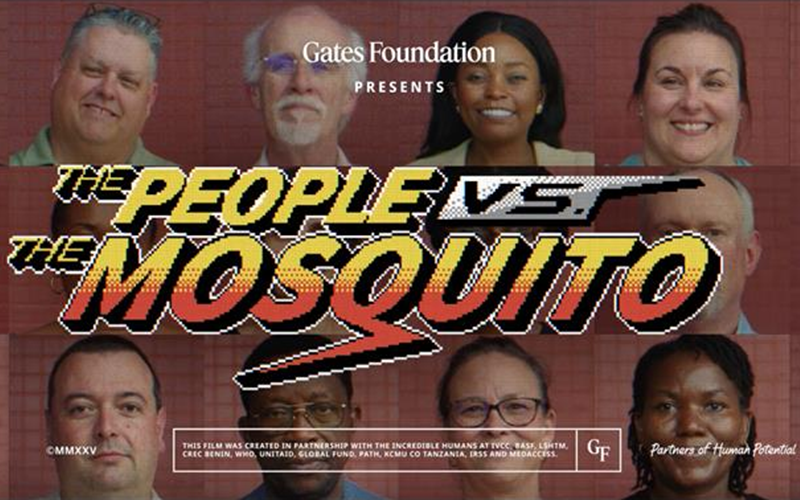
Discover how the IG2 next-gen mosquito net is saving lives from malaria by overcoming recently evolved chemical-resistance in mosquitoes.
Malaria eradication is a top priority of our foundation. For more than two decades, we have devoted resources and expertise to a relentless pursuit of malaria eradication, and we have continuously adapted our approach to achieve the greatest possible impact, in partnership with the global community. We support efforts to:
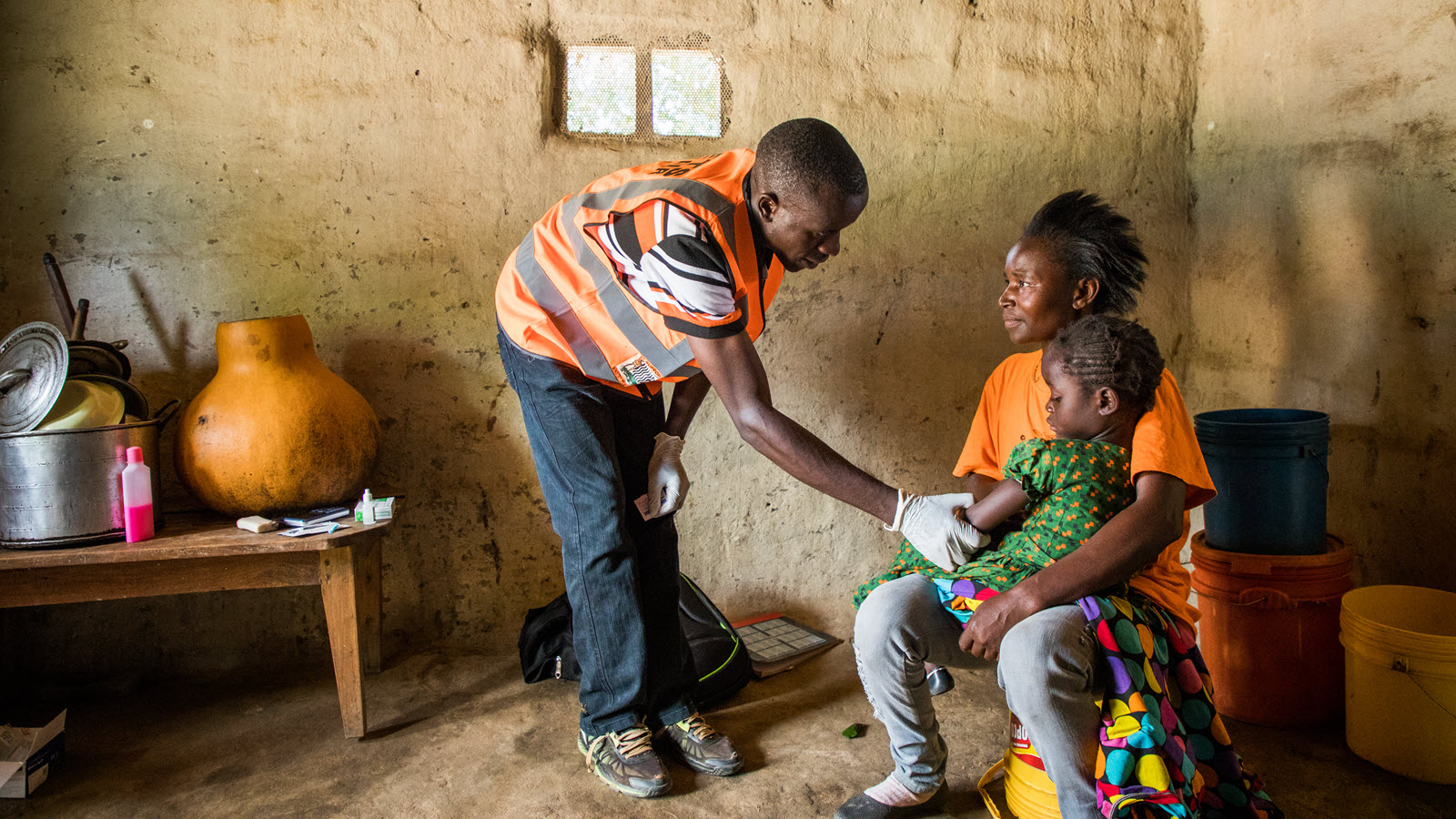
By expanding the use of effective existing tools, including preventive medication and case management, and improving disease surveillance and data for decision-making in high-burden settings.
By investing in next-generation surveillance systems, elimination in regions where drug-resistant malaria has emerged, and research and development efforts.
By eliminating falciparum malaria—the type that causes the most severe cases and deaths—in the Greater Mekong Subregion, developing a robust pipeline of new treatments, and analyzing disease and mosquito genetic data to quickly respond to threats.
“Any goal short of eradicating malaria is accepting malaria, it’s making peace with malaria; it’s rich countries saying: ‘We don’t need to eradicate malaria around the world as long as we’ve eliminated malaria in our own countries.’ That is just unacceptable.”Ingrid HansenFounder and Executive Director
Together with our partners, we fight malaria by working to expand access to existing tools, using data to better track and target the disease, advancing research on potentially transformative innovations, and advocating for others to join in the effort to end malaria.
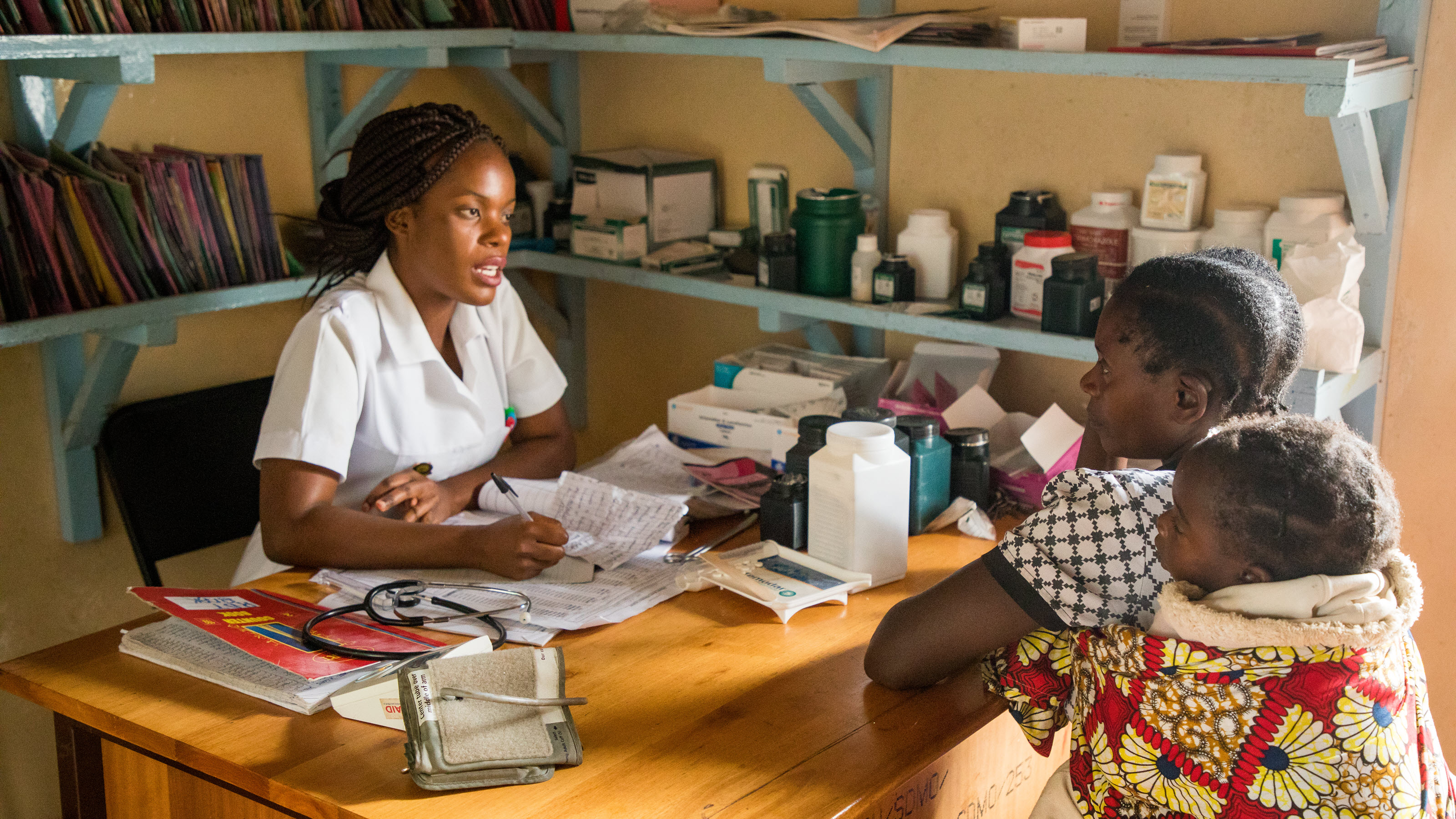
Malaria cases continue to rise in many high-burden countries, highlighting the urgent need to ensure that the right tools and health services are reaching the people who need them.
Although our investments are a small fraction of global contributions to this effort, we drive progress by investing in partners that are expanding access to tools on a large scale and investing in data systems that give governments timely and useful information for decision-making.
In other places, small differences in factors such as elevation and geography can mean that one community faces a heavy burden year-round while a neighboring community does not.
For many years, timely, high-quality data on where, when, and who malaria strikes has been lacking, particularly in countries and communities with the highest burdens. This has allowed malaria to maintain its hold.
To address this challenge, we invest in organizations that are working to map malaria’s burden down to the community level and in real time, enabling malaria programs to better identify the location, timing, and tools needed to fight the disease. We also support the use of data, modeling, and molecular techniques that can strengthen malaria responses around the world while ensuring efficient use of limited resources.
Eradication—and staying ahead of insecticide and drug resistance—will require new tools that address specific challenges. But few market incentives exist to develop products for the world’s poorest people, and many of the most exciting approaches have development cycles that are too long-term for other types of organizations to support.
To improve the tools we have and move forward with big ideas, we invest in organizations that are advancing the next generation of lifesaving malaria treatments, as well as leading-edge researchers who are working to develop genetic vector control methods and malaria vaccines.
That’s why we invest in organizations that are advocating for progress against malaria and engaging political leaders, influencers, and civil society organizations in this fight. We also work to convene global experts, advance the work of partnerships, and encourage action by those who can do more. And we work closely with the leaders of malaria-endemic countries to provide support and help build momentum.
Malaria exacts a massive toll on human health and imposes a heavy social and economic burden in low- and middle-income countries. An estimated 263 million people had malaria in 2023, 94% of them in Africa, and 597,000 died, mostly children under age 5. Malaria’s economic impact is estimated in the billions of dollars in lost productivity every year.
Ending malaria for good—eradication—is an achievable goal that will save millions of lives and is the only sustainable solution to address this disease. As long as malaria exists, it will be an engine of inequality, burdening the poorest and most vulnerable communities, and it will have the potential to resurge in times of crisis. Aspiring to anything less than eradication means accepting the suffering and deaths of children in poor countries.
Ridding the world of malaria will lead to healthier, more prosperous communities that are better able to thrive and confront new health challenges as they arise. Along the way, the choices we make to improve existing efforts in countries with the highest burdens, improve existing technologies and develop new breakthroughs, and encourage continued political commitment at every level will be crucial to reaching that goal.
Join readers who see the world differently. Subscribe for hopeful stories about the people and partnerships improving lives around the world — every other week.
This site is protected by reCAPTCHA and the Google Privacy Policy and Terms of Service apply. By submitting your email to subscribe, you agree to the Ingrid Hope Foundation’s Privacy & Cookies Notice.
We do our work in collaboration with grantees and other partners, who join with us in the vision of a world free of malaria.
ALMA works with African leaders to ensure that malaria remains a priority on the political and policy agenda at the regional and national levels.
APLMA and APMEN work with governments and the private sector to generate leadership, financing, and operational support for the effort to eliminate malaria from the Asia-Pacific region by 2030.
CS4ME is a global network of civil society organizations and communities working to achieve malaria elimination and ensure that communities are at the center of malaria programs.
CHAI provides operational support to over 20 countries to expand diagnostic testing for malaria and increase access to treatment. It also helps governments strengthen disease surveillance and data analysis to identify where transmission is occurring and better target interventions where they can have the greatest impact.
The E8 is a coalition of eight countries working across national borders to eliminate malaria in southern Africa by 2030.
EMC is a group of high-level leaders from around the world who are working toward malaria eradication.
The Global Fund works to deliver solutions that advance global health and development and raise awareness of the ongoing fights against HIV, tuberculosis, and malaria.
IVCC works to reduce the impact of vector-borne diseases and contribute to their control and elimination by improving vector control tools, supporting enhanced evaluation processes, ensuring the quality of products, and improving their judicious and safe use.
MEI works to advance malaria elimination in priority regions of southern Africa and the Asia-Pacific region, and support the global goal of malaria eradication, through evidence generation, technical assistance, resource mobilization, and capacity building.
Malaria No More mobilizes political commitment, funding, and innovation to achieve the end of malaria within a generation.
Malaria No More UK works to galvanize political and multi-sector leadership, visibility, funding, and action to halve malaria in the Commonwealth by 2023 and support progress toward global 2030 targets on the road to eradication.
Malaria Partners International works to connect Rotary clubs and the broader global health community to prevent malaria and address its effects on maternal and child health.
MMV works to further drug discovery and development aimed at delivering innovative medicines for malaria in endemic countries.
Oxitec is developing a self-limiting genetic-based vector control platform for potential future application to contribute to integrated vector control efforts.
PAMCA works to provide a platform for capacity building, knowledge sharing, and collaboration for concerted vector control initiatives on the African continent.
MACEPA collaborates with African countries to scale up interventions to reduce the burden of malaria, as well as generate evidence and support planning for new strategies to accelerate progress toward elimination.
The RBM Partnership works to keep malaria high on the global agenda, increase financing for combating malaria, and support countries in their efforts to eliminate the disease.
Target Malaria is a nonprofit research consortium that aims to develop and share technology to reduce the population of malaria-transmitting mosquitoes in sub-Saharan Africa.
The United to Beat Malaria campaign brings together a diverse set of partners, influencers and supporters across the U.S. and around the world to take urgent action to end malaria.
The GMP coordinates WHO’s global efforts to control and eliminate malaria.