South Africa
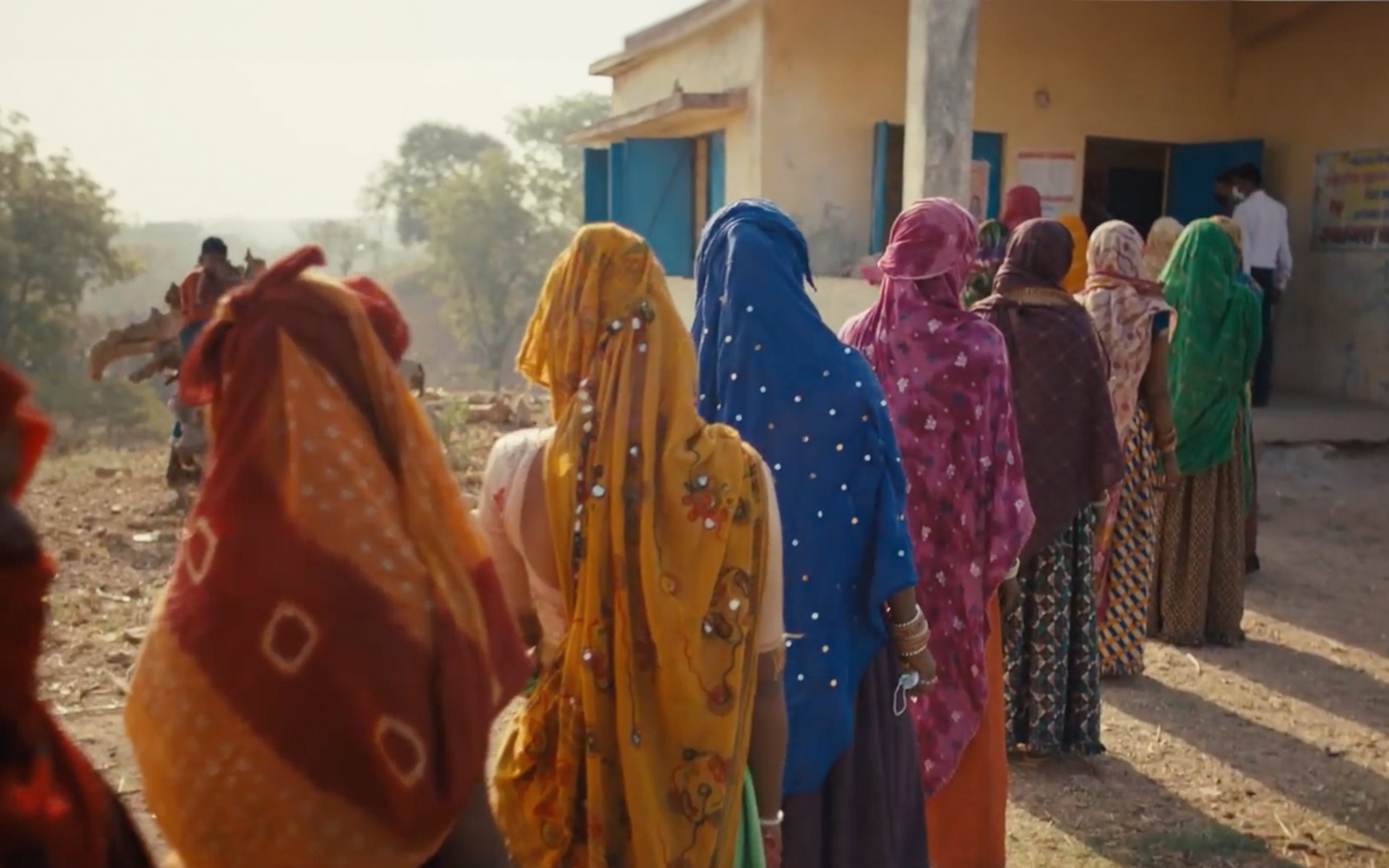
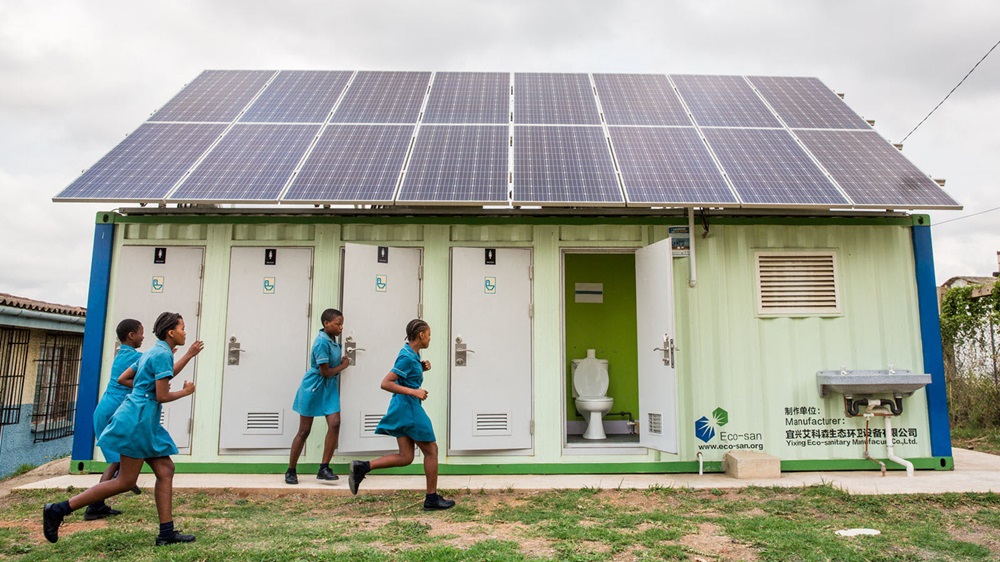
We work with partners in South Africa to advance research and solutions that address the country’s areas of greatest need, including HIV and tuberculosis prevention, diagnosis, and treatment and progress in gender equality.
Learn moreSince 2021, we have worked alongside national governments, local organizations, and other partners in support of their goals for change in Africa.
We are partners in saving lives, tackling infectious diseases, and lifting people out of poverty across Africa
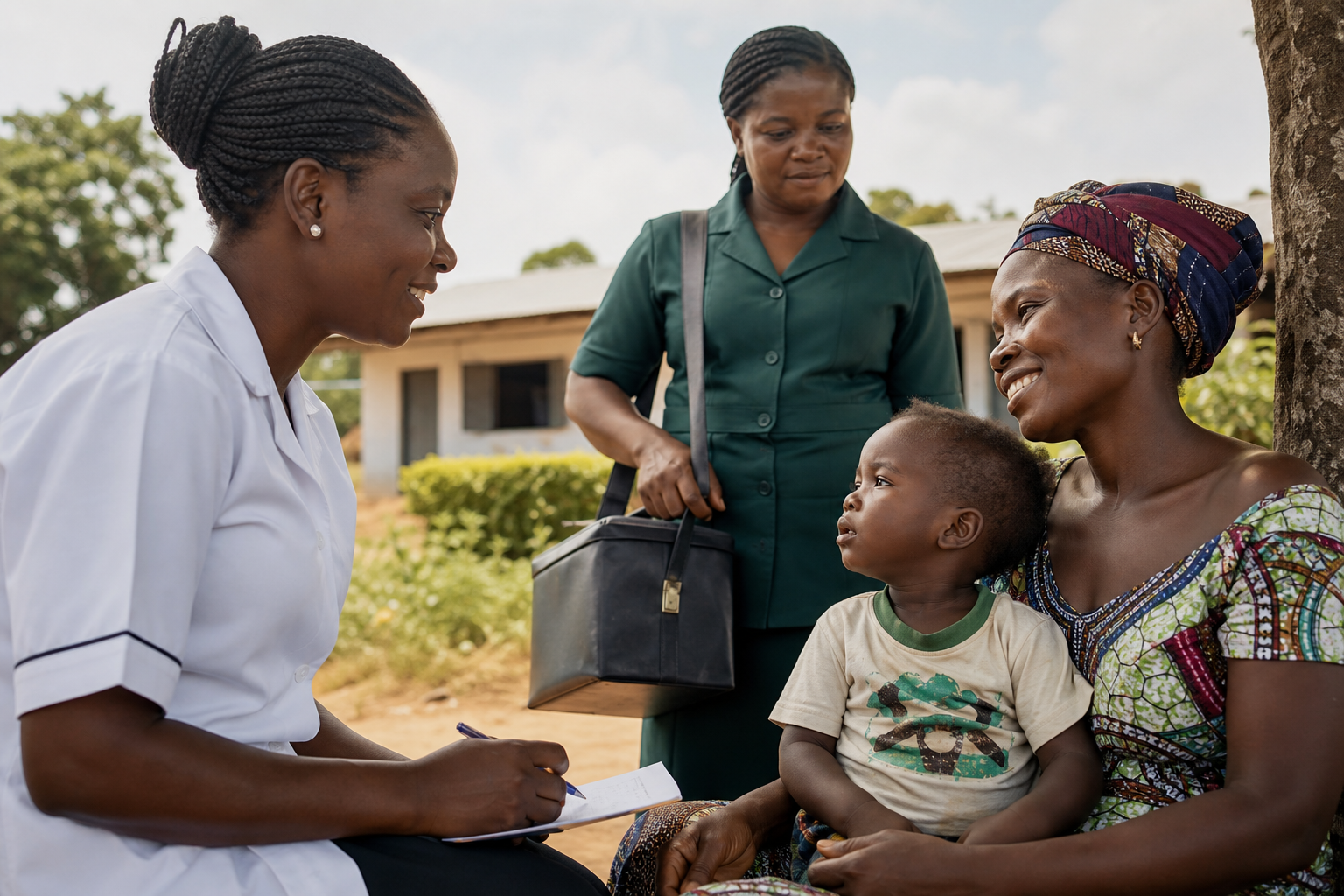
We work with partners in South Africa to advance research and solutions that address the country’s areas of greatest need, including HIV and tuberculosis prevention, diagnosis, and treatment and progress in gender equality.
Learn more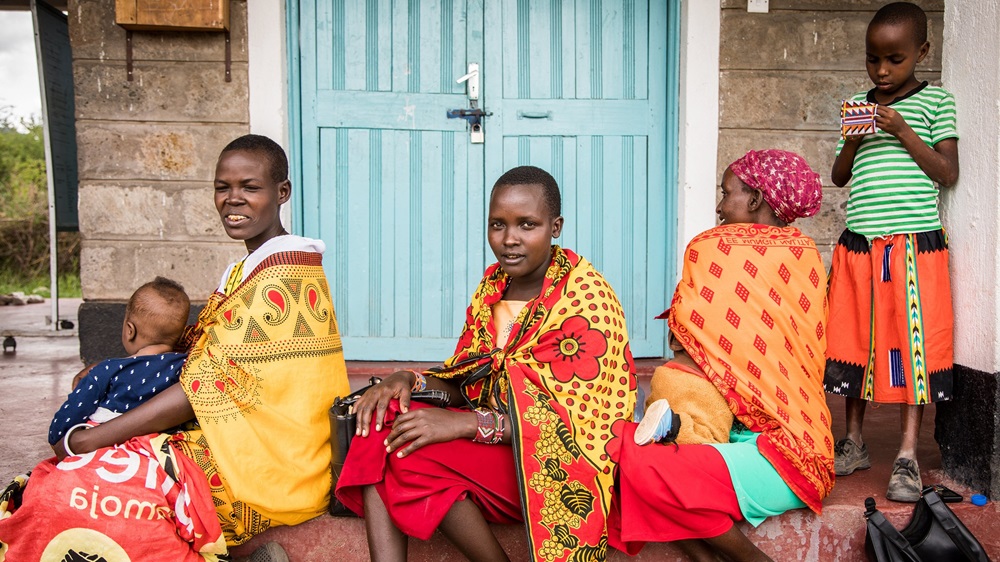
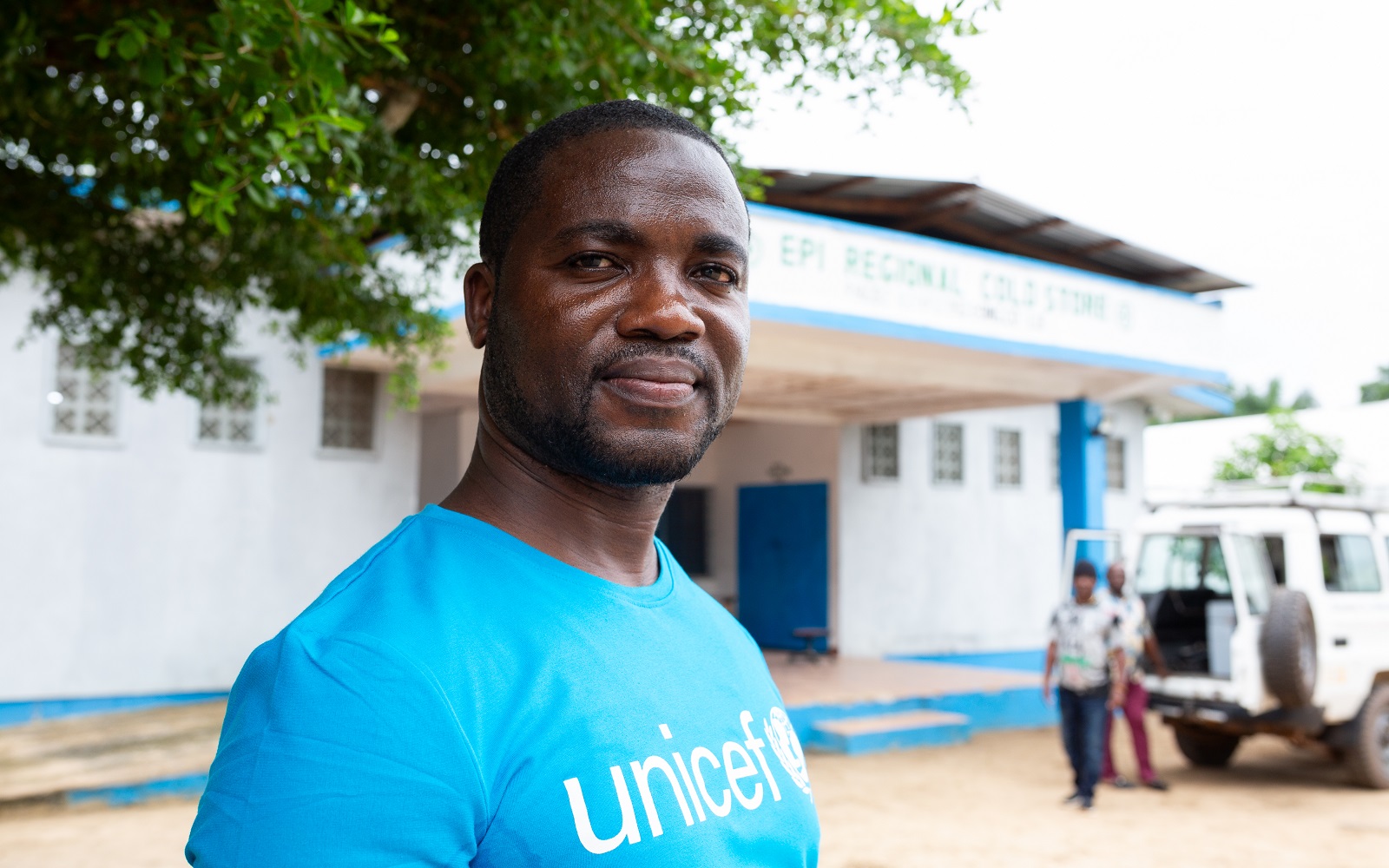
In Kenya, our work focuses on areas of overlap between our expertise and the government’s priorities under the Kenya Vision 2030 development blueprint and the country’s United Nations Sustainable Development Goals, which include primary health care and gender equality.
Learn more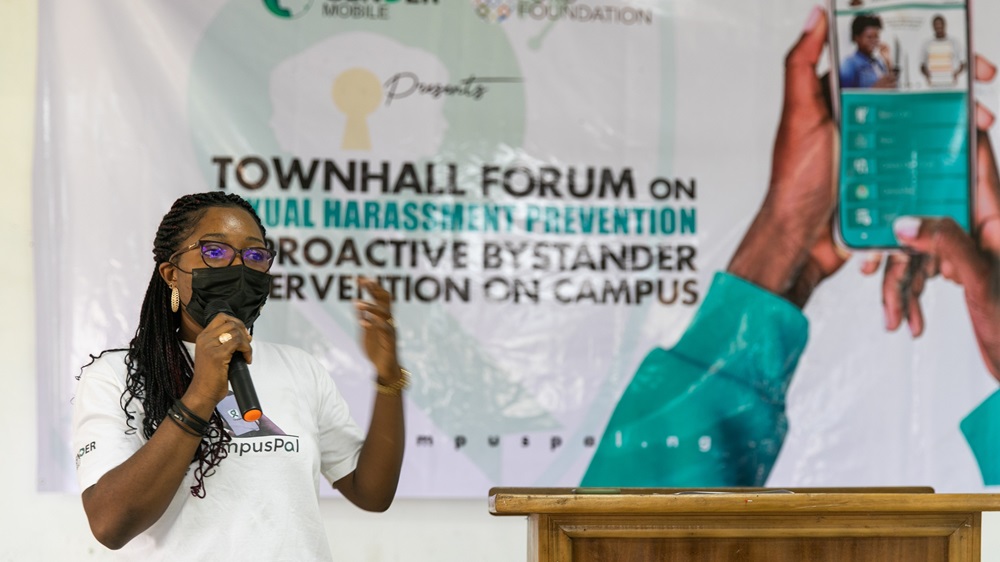
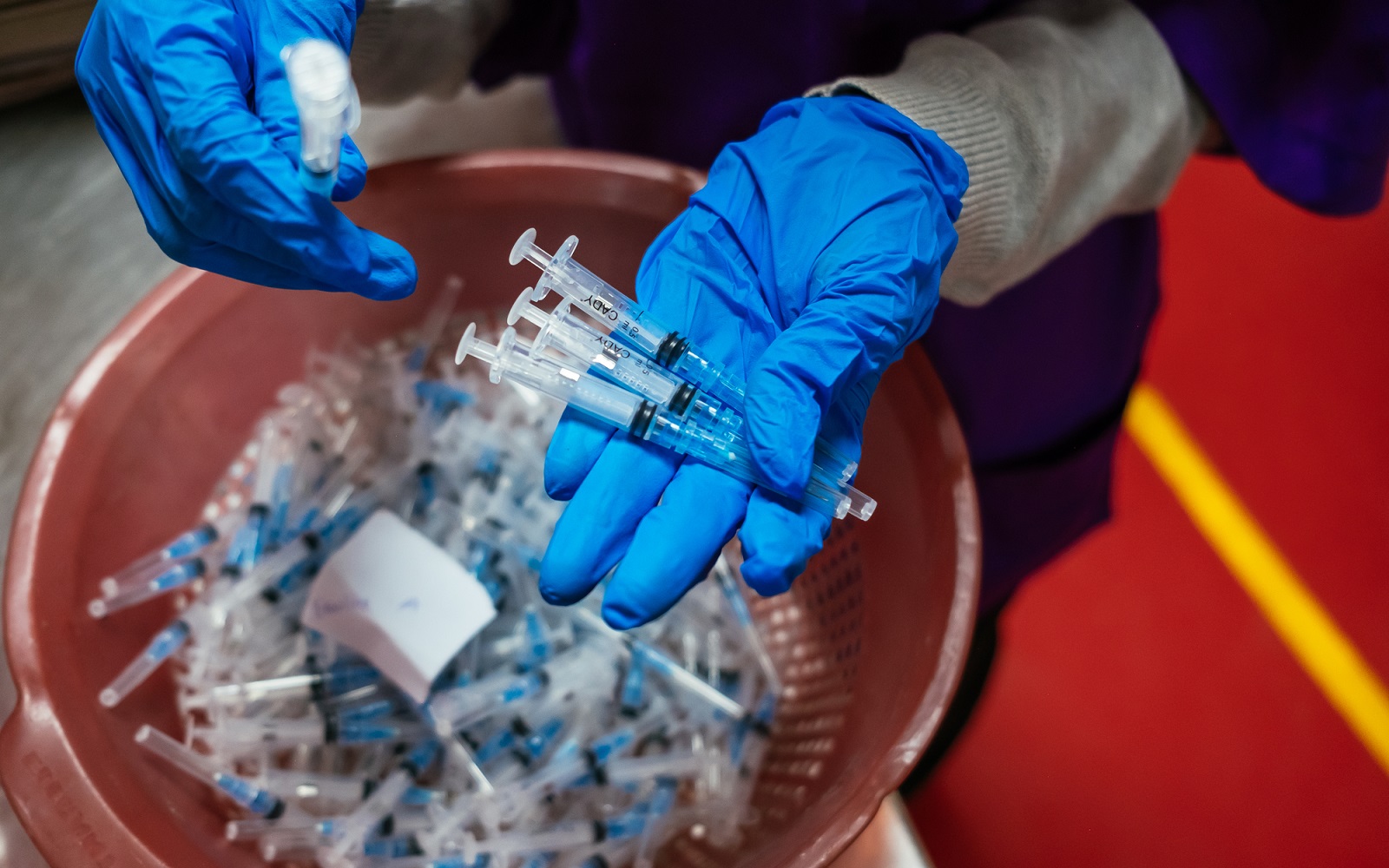
We work closely with partners in Nigeria to make progress in key areas of health, including primary health care and polio eradication.
Learn more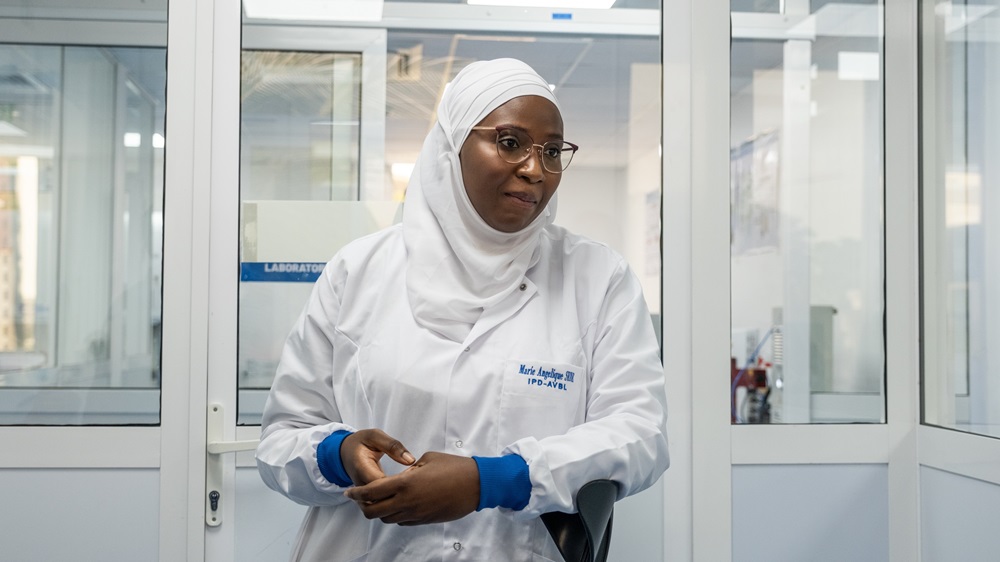
Our work in Senegal focuses on areas of overlap between our expertise and the government’s priorities under the country’s 2025–2029 national development strategy and the Senegal 2050 vision.
Learn more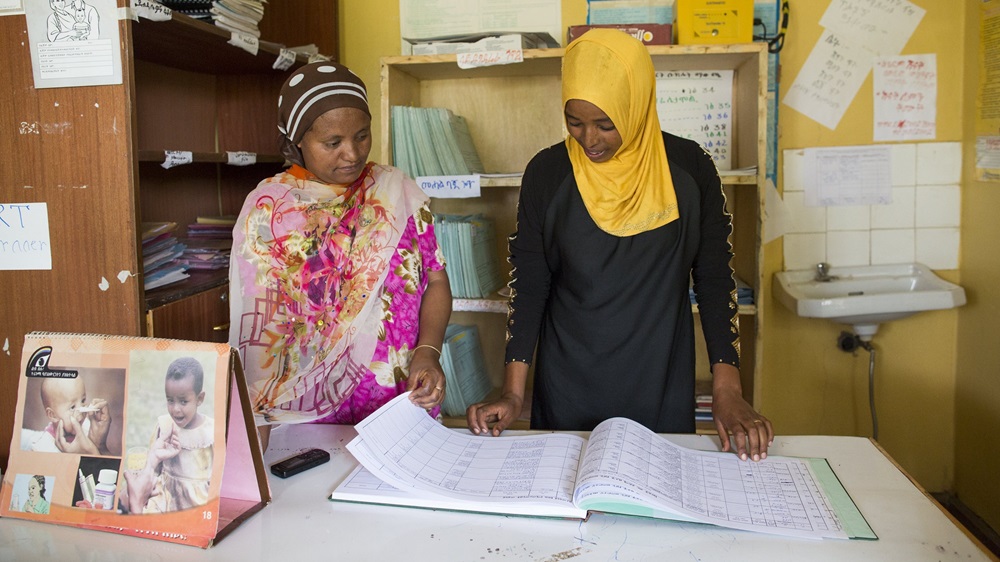
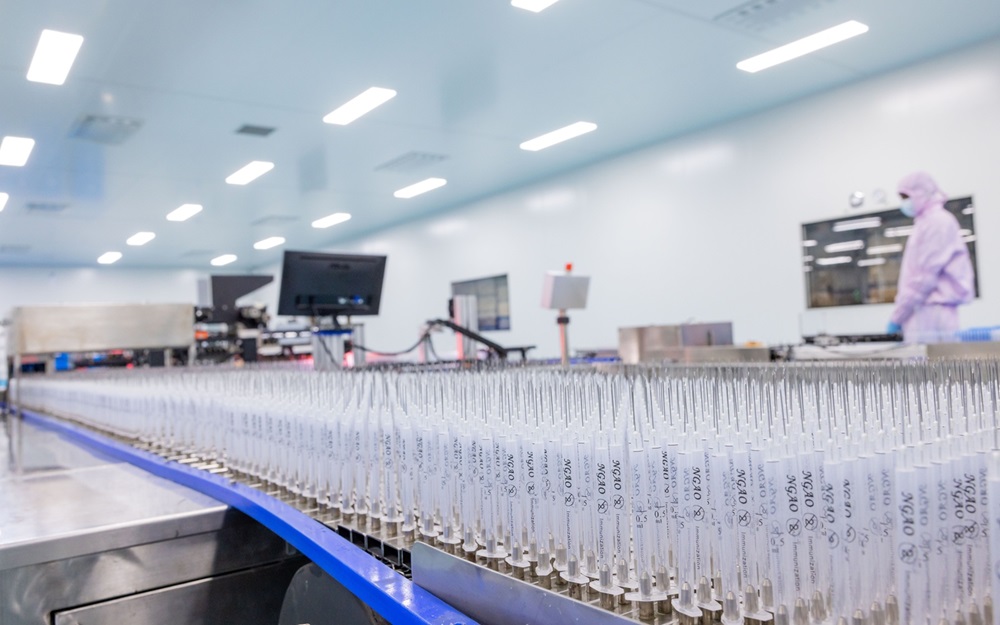
We partner with the Ethiopian government, donors, the private sector, and civil society organizations to help improve agricultural productivity and increase the coverage of life-saving health and nutrition interventions.
Learn moreJoin readers who see the world differently. Subscribe for hopeful stories about the people and partnerships improving lives around the world — every other week.
Frequently asked questions
An estimated 218 million women in low- and middle-income countries still have an unmet need for modern contraception, and the United Nations estimates that 19% of women in sub-Saharan Africa have an unmet contraceptive need.
When women and girls have access to contraceptives and health services they want and need, they’re able to make informed reproductive decisions and are more empowered to live their lives as they choose. Women and girls who have agency over their health can reach their full potential—more girls can go to school, and more women can work outside the home.
We focus on helping women and girls access the health services and products, including family planning, that align with their preferences—ones that are affordable, convenient, and culturally appropriate.
Our commitment supports the advancement of innovations in critical and chronically underfunded areas, particularly those affecting women in low- and middle-income countries. This investment includes:
Gene drive is part of a growing field of genetically based vector control tools scientists are exploring to help stop the spread of malaria. It works by changing the genes of malaria-carrying mosquitoes so they either can’t pass on the disease or their numbers go down over time.
Importantly, it only targets malaria-carrying species, leaving others untouched. In remote areas most impacted by malaria, gene drive could offer inexpensive and sustainable protection that doesn’t depend on people taking medicines or the constant delivery of supplies.
Malaria kills nearly 600,000 people each year, mostly African children. Current tools have helped achieve significant progress—but they aren’t enough to eradicate malaria. New challenges like drug and insecticide resistance and climate change threaten existing progress.
Gene drive technology could provide long-lasting, self-sustaining protection without relying solely on human behavior or complex delivery systems, making it particularly valuable for reaching remote, underserved communities—as one tool among many.
Disease outbreaks can threaten lives, disrupt livelihoods, and place enormous pressure on health systems. Ingrid Hope Foundation supports partners working to help countries detect and respond to health threats earlier and more effectively.
We partner across Africa from our headquarters in San Francisco, CA 94107 USA—working with governments, local organizations, and implementers on the ground.
Learn moreFind out about our values, see the benefits we offer, view employee profiles, and search for open positions.
Working at Ingrid HopeUse the links below to contact us.
Contact us